This week in Australian Foreign Affairs: Australia expands eligibility for the Timor-Leste Solidarity Medal, the Foreign Minister announces a visit to Japan, China and the Republic of Korea amid energy security concerns, and the Government invests in new Bushmaster vehicles to strengthen defence capability and industry.
On 24 April, the Australian Government announced it had accepted an offer from the President of Timor-Leste to expand eligibility for the Timor-Leste Solidarity Medal to Australian Defence Force personnel, veterans, and Australian Federal Police officers who served at least 30 days on mandated missions in Timor-Leste since 1999. Eligibility has also been extended to those withdrawn due to injury or medical reasons, as well as personnel involved in relevant defence and policing cooperation programs.
The medal, a foreign award recognising contributions to peace and stability operations, will now be available to a broader group of Australians, reflecting the scale of Australia’s involvement in Timor-Leste, where more than 20,000 Australians have served. The Government noted that the expansion underscores the enduring bilateral relationship and shared history between the two countries.
On 27 April, the Minister for Foreign Affairs, Penny Wong, announced that she would travel to Japan, China, and the Republic of Korea to strengthen regional relationships and coordinate on energy security amid ongoing disruptions to global energy markets caused by the conflict in the Middle East and the closure of the Strait of Hormuz. The Minister stated that in-person engagement would support coordination with key partners as Indo-Pacific economies face disproportionate impacts.
During the visit, the Minister will meet counterparts in Tokyo, Beijing, and Seoul, including participation in the eighth Australia–China Foreign and Strategic Dialogue. Discussions are expected to focus on energy and fuel security, supply chain resilience, and broader strategic issues. The Government reaffirmed its commitment to maintaining stable relationships with regional partners and working collaboratively to secure critical supplies such as fuel and fertiliser. “Australia will continue working with international partners to help secure the supplies we need – including diesel, petrol and fertiliser – and ensure Australia is prioritised as a reliable energy partner,” Wong said in a media release.
On 27 April, the Australian Government announced a $750 million investment to deliver 268 new Bushmaster protected mobility vehicles for the Australian Defence Force, to be manufactured by Thales Australia in Bendigo, Victoria. The project is expected to support around 300 local jobs over seven years and forms part of broader efforts to enhance the ADF’s protected mobility and force projection capabilities.
The Government stated that the investment contributes to strengthening Australia’s sovereign defence industry, alongside additional funding for upgrades to Hawkei vehicles and other mobility systems under the 2026 Integrated Investment Program. The initiative also includes export arrangements, with Bushmasters to be sold to the Netherlands and replaced for the ADF, reinforcing both domestic production and international defence cooperation. “The Australian-built Bushmaster and Hawkei are recognised as world-leading protected mobility vehicles. Through this investment, the Albanese Government is sustaining Australian jobs, strengthening our national defence industry and delivering a capability that protects the lives of Australian Defence Force personnel,” said Deputy Prime Minister Richard Marles.
On 28 April, the Prime Minister announced that Japan’s Prime Minister, Sanae Takaichi, will visit Australia from 3 to 5 May for her first official visit since taking office. The visit coincides with the 50th anniversary of the Basic Treaty of Friendship and Cooperation between Australia and Japan, which underpins the two countries’ longstanding partnership in trade, security, and culture.
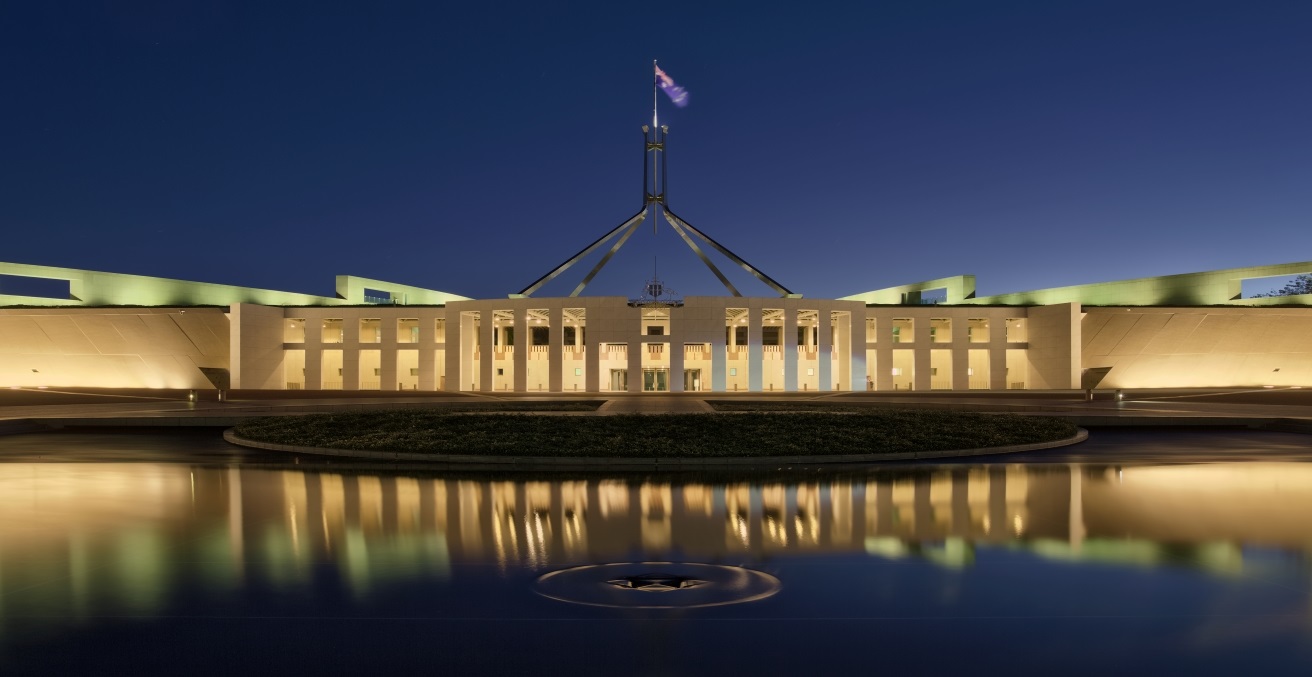
During the visit, the two leaders will meet in Canberra for the Australia–Japan Annual Leaders’ Meeting, where discussions are expected to focus on strengthening cooperation under the Special Strategic Partnership. The Government highlighted the importance of the bilateral relationship in supporting regional stability, economic growth, and shared strategic interests in the Indo-Pacific. Prime Minister Anthony Albanese, in a media release, said, “I am honoured to welcome Prime Minister Takaichi to Australia for our Annual Leaders’ Meeting, where we will continue to work together under our Special Strategic Partnership for the benefit of our people and the region. 50 years ago, our nations laid the foundation for a partnership based on trust, shared values and mutual respect by signing the Basic Treaty of Friendship and Cooperation. Australia and Japan share a strong strategic alignment. Our cooperation is essential to maintaining a peaceful, stable and prosperous region. Our enduring trade and investment ties underpin our relationship, creating jobs, providing opportunity and delivering economic growth to both our nations.”
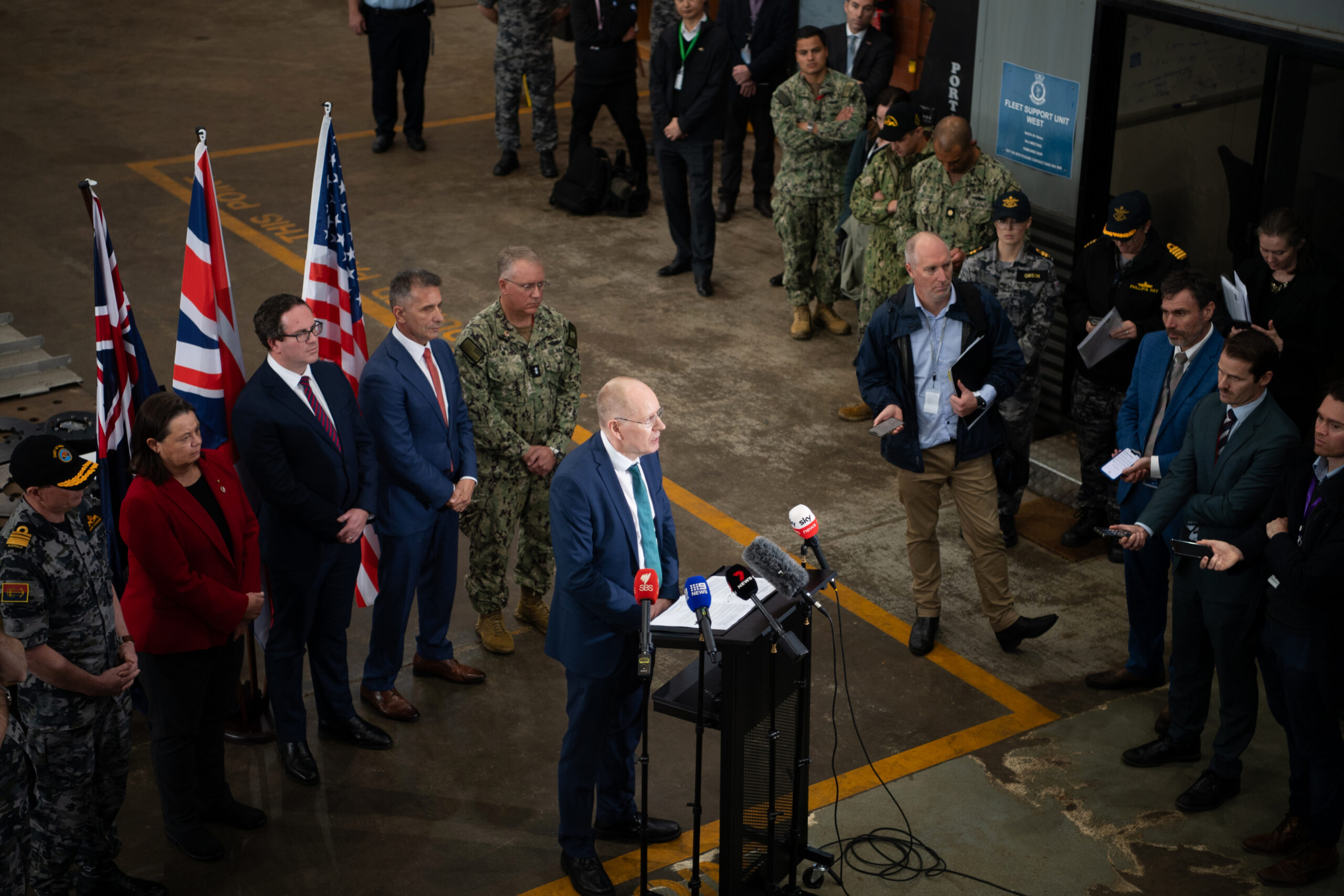
On 28 April, the Australian Government announced a $2.3 billion investment to enhance the Army’s long-range strike capability through the acquisition of the High Mobility Artillery Rocket System (HIMARS) and the Precision Strike Missile (PrSM). The decision includes establishing a second long-range fires regiment at the Edinburgh Defence Precinct in South Australia, aimed at expanding the Australian Defence Force’s capacity to engage targets at distances of up to 500 kilometres, with future capability expected to exceed 1,000 kilometres.
The Government stated that the investment aligns with the 2026 National Defence Strategy and forms part of a broader plan to strengthen long-range strike and targeting systems across the ADF. The initiative also supports the development of a domestic missile manufacturing industry, with Australian participation in supply chains and plans for future local production of missile systems in cooperation with the United States. In a media release, Deputy Prime Minister Richard Marles said, “This is a decisive investment in Australia’s long‑range strike capability that will bolster our Defence Force and help keep Australians safe. This capability delivers on the National Defence Strategy direction to accelerate and expand the acquisition of land-based long-range fires to provide the ADF with a deployable strike capability to protect Australia’s northern approaches and contribute to sea control and sea denial.”
On 28 April, the Prime Minister announced that he would recommend the appointment of Meghan Quinn as Secretary of the Department of Defence, with her term to commence on 18 May 2026 for a five-year period. Quinn, currently Secretary of the Department of Industry, Science and Resources, has held senior roles across the public service, including in Treasury and the Department of the Prime Minister and Cabinet, and has also worked in the private sector.
The Government noted that the appointment marks the first time a woman will substantively lead the Department of Defence. The Prime Minister also acknowledged outgoing Secretary Greg Moriarty for his service and confirmed his upcoming appointment as Australia’s Ambassador to the United States.
On 28 April, the Department of Defence announced that senior representatives from police, military, customs, and immigration agencies across 24 Pacific jurisdictions would convene in Brisbane for the eighth Joint Heads of Pacific Security (JHoPS) meeting. The forum will focus on strengthening collective action and operational cooperation through enhanced interoperability, with discussions centred on Pacific-led responses to shared regional security challenges.
Participants will also engage with key regional capabilities, including the Pacific Response Group and the Pacific Police Support Group, during visits to Gallipoli Barracks and the Pinkenba Hub. Defence stated that the meeting underscores Australia’s ongoing commitment to working with Pacific partners to advance practical security cooperation, improve border coordination, and address transnational threats that affect regional stability. In a media release, Chief of Defence Force, Admiral David Johnston AC RAN, said, “JHoPS is a unique opportunity to meet with Pacific partners to develop more rapid and capable frameworks in support of a secure and resilient region.”
On 28 April, the Department of Defence announced that two previously unidentified Australian soldiers from the First World War, Second Lieutenant Duncan McKenzie and Private Roy Martin, had been formally identified more than a century after their deaths. McKenzie was killed during the Third Battle of Ypres in 1917, while Martin died in the Battle of Fromelles in 1916, with his remains later recovered from a mass grave at Pheasant Wood.
The identifications were carried out in collaboration with the soldiers’ families, the Commonwealth War Graves Commission, and historical research organisations. Defence stated that the announcement reflects Australia’s ongoing efforts to honour those who served and to provide closure to families of soldiers who were previously listed as missing. “The formal identification of these two men, more than a century after their deaths, reflects our ongoing responsibility to those who served and sacrificed for our nation. Time does not diminish our obligation to remember their service and to honour them with the dignity of a named grave. Formally identifying Second Lieutenant McKenzie and Private Martin provides long‑awaited reassurance and clarity for families who have lived for generations without knowing where their loved ones lay,” said Chief of the Australian Army, Lieutenant General Simon Stuart in a media release.
On 30 April, the Australian Government announced a $126.9 million investment to establish domestic solid rocket motor manufacturing, aimed at strengthening sovereign defence capability and supply chain resilience. Northrop Grumman Australia has been selected as the preferred partner, with production to be based at the Mulwala munitions facility in New South Wales. Initial output will focus on rocket motors for the Guided Multiple Launch Rocket System (GMLRS), with production expected to begin by 2030 and expand through a dedicated manufacturing complex by 2033.
The Government stated that the initiative will support the development of Australia’s defence industrial base, including collaboration with domestic firms and opportunities for small and medium enterprises. The announcement builds on recent progress in local missile technology, including the successful test of the Australian-designed DRACO rocket motor, and forms part of broader efforts to enhance long-term defence self-reliance and preparedness. Minister for Defence Industry, Pat Conroy, in a media release, said, “The Albanese Government’s investment in rocket motor manufacturing will strengthen Australia’s self-reliance, while supporting our industrial base and creating jobs for locals. This investment will ensure the Australian Defence Force has reliable, resilient access to the capabilities needed to defend Australia and our immediate region. The successful static firing of the DRACO solid rocket motor shows how quickly Australia’s expertise in energetics and missile technology is advancing. It’s a major step for sovereign capability, industry collaboration, and our long-term defence preparedness.”
Akshit Tyagi is an intern at Australian Outlook at the Australian Institute of International Affairs. He is a postgraduate student in International Relations at the Australian National University in Canberra and holds a Bachelor’s degree in Business Administration and a Postgraduate Diploma in Journalism. He previously worked as a business reporter in New Delhi and has written for The Canberra Times, Woroni (ANU student media), The Hill, and other publications.
This article is published under a Creative Commons License and may be republished with attribution.