This week in Australian foreign affairs: the 2026–27 Budget delivers record defence investment and deepens Indo-Pacific partnerships; Australia signs a missile manufacturing MOU with Norway; new counter-terrorism financing sanctions are imposed on the Balochistan Liberation Army; and more.
On 8 May, the Australian Government imposed counter-terrorism financing sanctions on the Balochistan Liberation Army and three of its senior leaders for their engagement in and support of terrorist attacks. The Balochistan Liberation Army has conducted violent attacks across Pakistan targeting civilians, critical infrastructure, foreign nationals, and the Pakistani state. The sanctions are designed to cut off financial support for terrorist operations, making it harder for such groups to fund activities, recruit, and spread violent extremism. It is a criminal offence under Australian law to use, deal with, or make assets available to listed persons or entities, with penalties including heavy fines and up to ten years’ imprisonment.
On 12 May, the Albanese Government imposed further autonomous sanctions on Iranian individuals and entities in response to the regime’s ongoing oppression of its people and destabilisation of the region. The seven individuals and four entities sanctioned include senior officials responsible for the massacre of thousands of protesters in January, the mass arrest and torture of detainees, and the violent enforcement of mandatory hijab wearing through the deployment of 80,000 forces. The sanctions also target Iran’s shadow banking system, which funds terrorist proxies including Hamas and supports its ballistic missile program. The announcement was made alongside further United Kingdom sanctions on Iran. The Albanese Government has now imposed more than 230 new sanctions on Iranian individuals and entities since taking office, including more than 100 with links to the Islamic Revolutionary Guard Corps, which Australia has listed as a state sponsor of terrorism.
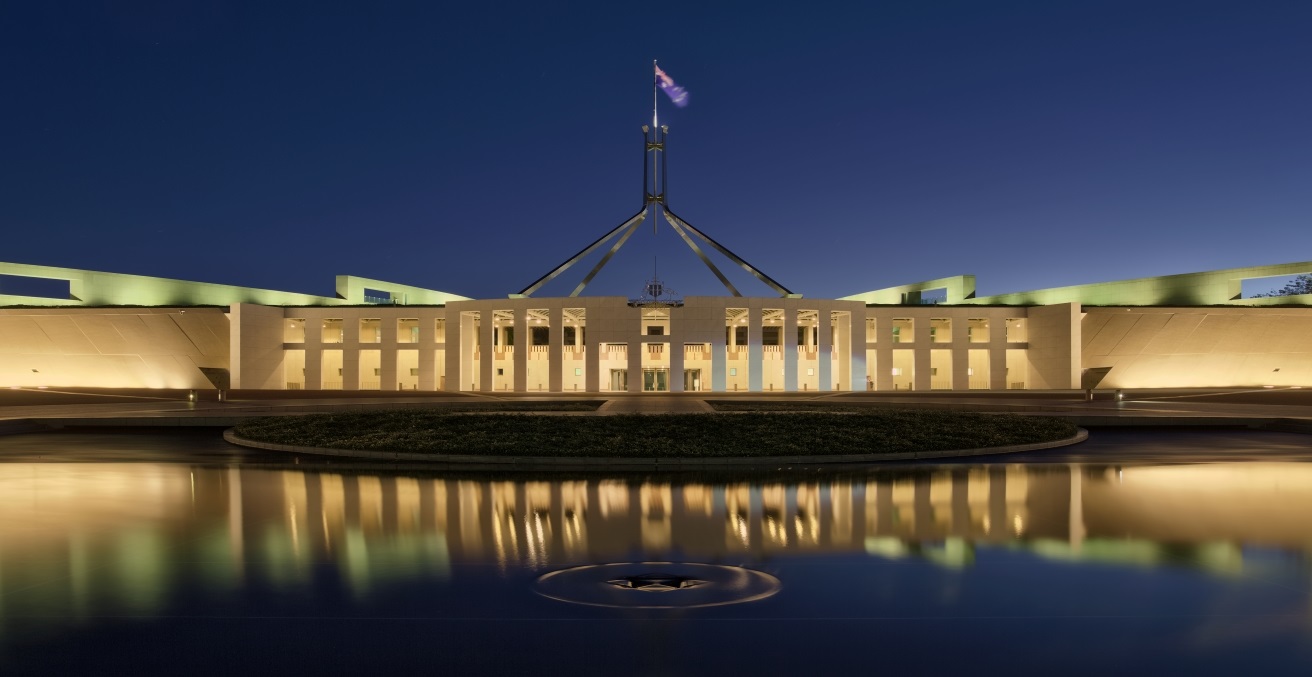
Also on 12 May, the 2026–27 Budget delivered the Albanese Government’s most significant peacetime increase in defence spending in Australia’s history. Building on the recently released 2026 National Defence Strategy and Integrated Investment Program, the Budget commits an additional $14 billion over four years and $53 billion over the decade, bringing total portfolio funding to $887 billion to 2035–36. This includes $425 billion over the decade to deliver accelerated capability for an integrated, focused force. Key investments include the Henderson Defence Precinct, the Nuclear-Powered Submarine Program, and General Purpose Frigates. The Budget also allocated more than $770 million to deliver on recommendations from the Royal Commission into Defence and Veteran Suicide, including $169.7 million to increase fees for allied health providers — the largest such investment in over 20 years — as well as $29.8 million for a National Veterans’ Data Asset and $16.6 million for an independent inquiry into military sexual violence in the ADF.
The Budget also reinforced Australia’s diplomatic and development commitments through the Investing in Our Region, Resilience and Security package. Australia’s total Official Development Assistance will be maintained, with a reprioritisation of some multilateral funding to direct over 75 cents in every development dollar to the Indo-Pacific. The Budget commits $33.2 million to strengthen institutional ties with Indonesia following the signing of the Australia–Indonesia Treaty on Common Security (the Jakarta Treaty 2026) in February, and $25.3 million to advance the Comprehensive Strategic Partnership with India, including through maritime security cooperation and Maitri grants. A further $60.5 million will sustain Australia’s consular services worldwide, and Ukraine’s duty-free access to Australia will be extended for two further years until July 2028 in continued support for its sovereignty against Russia’s invasion.
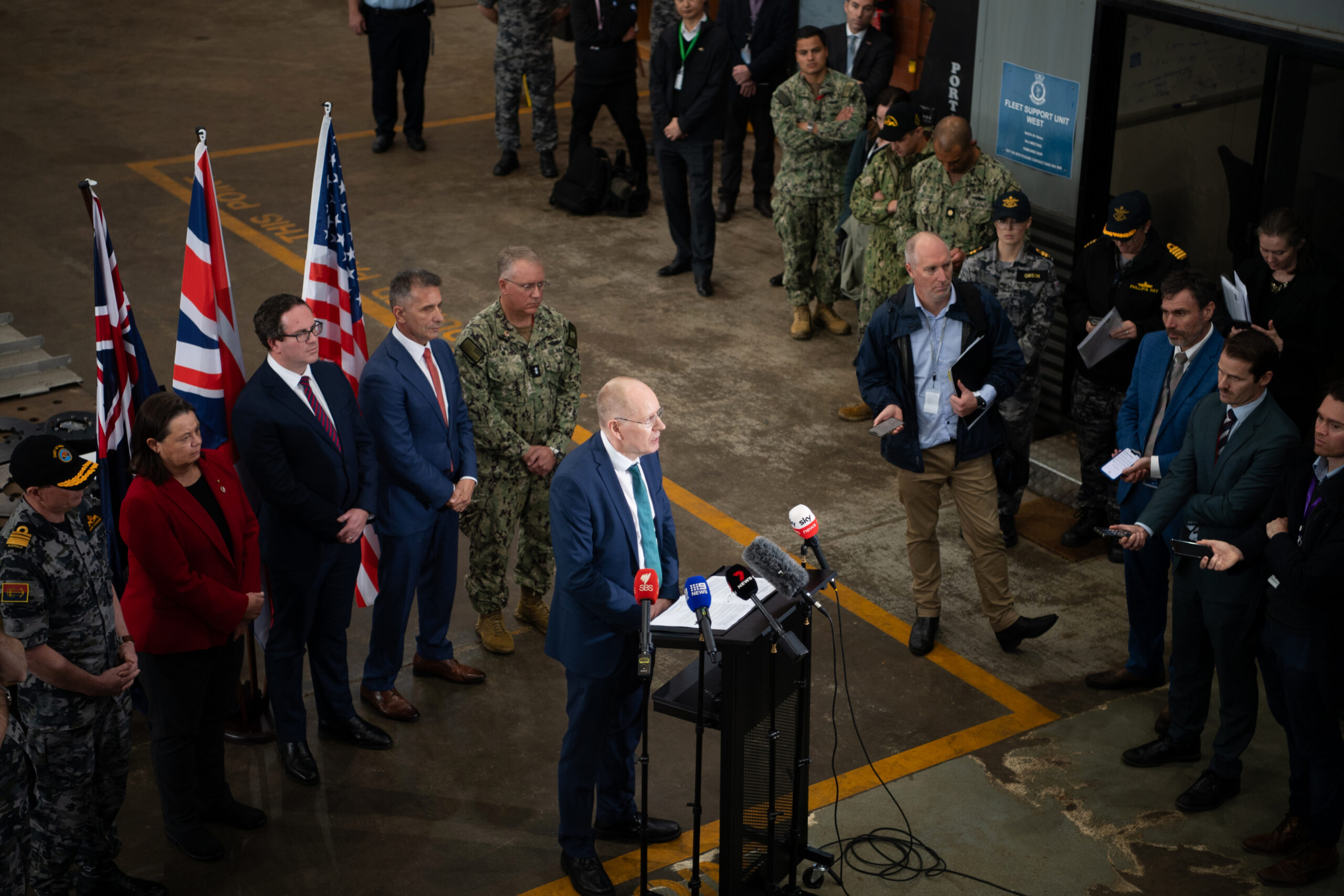
On 14 May, the Albanese Government signed a Memorandum of Understanding with Norway to further support the acquisition and domestic manufacturing of missiles in Australia. The multilateral Strike Missile Family MOU enhances information sharing and collaboration between Australia, Norway and 10 other countries that use the Naval Strike Missile and Joint Strike Missile, developed by Norwegian defence company Kongsberg. The Government is investing up to $850 million to enable local manufacture and maintenance of these missiles, including the construction of a new missile factory in Newcastle capable of producing missiles for the ADF and partner nations from 2027. This forms part of the broader investment of up to $36 billion over the decade to accelerate the acquisition and manufacture of longer-range munitions in Australia.
This article is published under a Creative Commons License and may be republished with attribution.