As economic competition and trade tensions intensify between China and Germany, President Frank-Walter Steinmeier’s visit to Beijing offers an opportunity to strengthen diplomatic dialogue. Despite growing differences, maintaining cooperation remains essential to protecting their shared economic interests.
From 27 to 31 October, German President Frank-Walter Steinmeier is making a state visit to China at the invitation of Chinese President Xi Jinping. The meeting between the two leaders comes at a time when China and Germany, two of the world’s leading industrial economies face a consequential moment. Locked in fierce economic competition, for the two sides, the visit is an avenue to strengthen dialogue, align on challenges and pursue shared growth opportunities. During the trip, the first by the German President in nearly 8 years, Frank-Walter Steinmeier is expected to hold talks with China’s top leadership including President Xi Jinping, Premier Li Qiang and Zhao Leji, the country’s foremost legislator. Caught between economic interdependence and rising strategic and commercial friction, in Beijing, conversations are expected to reassess the future of China-Germany relations.
China-Germany Trade Ties Face Headwinds
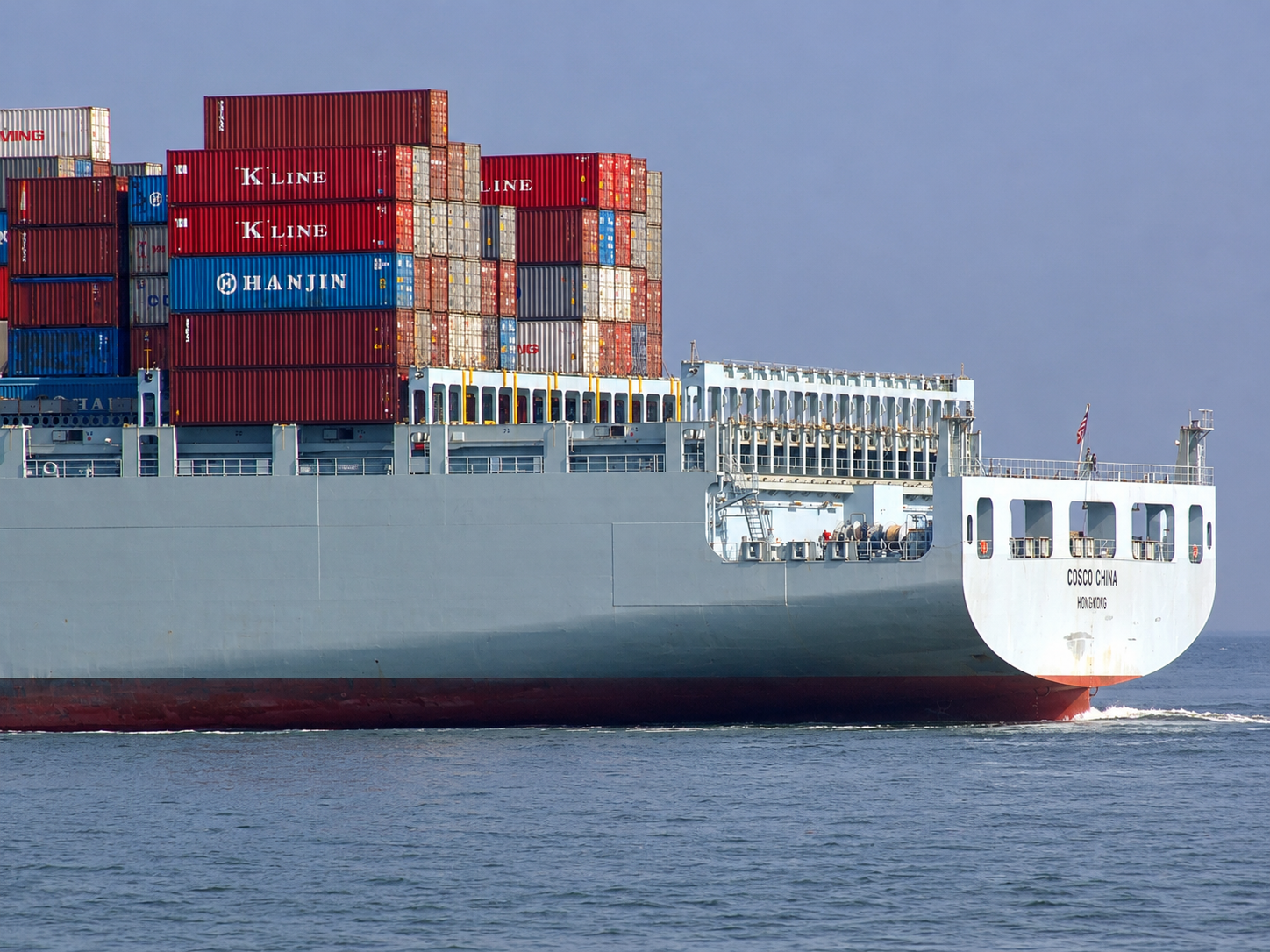
China remains Germany’s largest trading partner; however, a widening trade gap and the EU’s push for strict protective measures are putting pressure on their relationship. Data from Germany’s Federal Statistical Office show bilateral trade reached €251.8 billion in 2025, with China overtaking the United States to regain its position as Germany’s main trading partner, a position it held from 2016 to 2023. Though last year, trade in goods between China and Germany expanded by 2.1 percent year-on-year, the structural breakdown suggests a shifting and more intricate reality. To be specific, German imports from China in 2025 expanded 8.8 per cent to €170.6 billion driven largely by data processing equipment, electrical products and machinery. Conversely, Germany’s exports to China in the same year settled at €81.3 billion, marking a 9.7 percent drop compared to 2024.
This year, the pattern has shown no signs of slowing down. In the first six months of this year, Germany’s trade deficit with China jumped to €55 billion, up from €40 billion during the same period in 2025 – with total trade hitting over €128 billion, as German imports from China grew by 8.9 percent to reach €91.8 billion. Considering Germany’s historical reliance on industrial exports, advanced manufacturing, and global market access, the current trade pattern with China challenges its competitive standing.
In recent times, German industrial giants including heavy machinery producers and automakers face intense competition from Chinese rivals in fields they had dominated for decades. Data from Rhodium Group show German car exports to China, once its second-largest market has dropped by 66 percent between 2022 and 2025, hitting their lowest level since 2009. The trend extends into this year, with German auto giants, namely Volkswagen, BMW and Mercedes-Benz all recording a decline in sales of at least 30 percent during the second quarter of 2026 in China. The slump in China sales persisted into the third quarter for the three German automakers alongside Porsche, as heightened competition from Chinese manufacturers continues to shrink market share. The shift however, is not confined to the Chinese market – established German brands presently face stiff competition from Chinese electric vehicles (EVs) in major markets including Europe.
For China, stable trade ties with European markets remain a top priority. Under these conditions, the important question remains: How can China and Germany advance bilateral relations while achieving their respective strategic goals? During Frank-Walter Steinmeier’s 5-day state visit talks between the two sides are expected to centre on joint effort to resolve critical challenges pertaining to competition, market access and supply chains.
From Managing Risk to Protecting the Gains of Economic Interdependence
Rising pressure on Germany’s industrial base has compelled Berlin to shift toward tougher European Union trade defenses. For Germany, the move aligns with actions to safeguard its domestic industries as fierce competition from China triggers structural downsizing including extensive layoffs and imminent factory closures across the country.
In a joint letter submitted to the European Commission President Ursula von der Leyen on 5 October, German Chancellor Friedrich Merz and French President Emmanuel Macron called for a new mechanism against the countries that distort competition, with measures extending to immediate exclusion from the single market. The appeal called for two new mechanisms: diversify supply chains to prevent dependency on individual companies and expedite the bloc’s market exclusion for countries during exceptional circumstances. Though the appeal fails to name a specific country, it appears closely linked to the EU’s huge trade deficit with China and its reliance on critical raw materials.
While these concerns deserve consideration, especially in cases where supply chain vulnerabilities could impede economic security, managing risk should not serve as pretext for blanket restrictions on trade and investment. For example, a 20% tariff on China-made EVs would reduce the bloc’s imports from China by about $3.8 billion, which also affects German automakers operating in the Chinese market, according to a study by the Kiel Institute for the World Economy. In fact, the bloc’s interest is best advanced by strategies that reinforce resilience without sacrificing viable commercial partnerships or cause market fragmentation. Berlin and Beijing on the other hand have so much to gain by walking this fine line. German engineering and its advanced manufacturing expertise complement China’s huge industrial ecosystem, technological innovation, and vast domestic market. For China and Germany, the goal should not be to eliminate competition which is crucial for innovation and productivity but rather cultivate an environment where competition remains fair and supports economic growth.
During the talks in Beijing, although President Frank-Walter Steinmeier does not shape German trade policy, his position as head of state provides him the platform for diplomatic engagement, while the Berlin and EU institution retain authority over substantive economic negotiations. Ultimately, the importance of President Frank-Walter Steinmeier’s visit rests not only on the scheduled meetings but the opportunities it opens up. At a time when economic rivalry increasingly shapes geopolitics, keeping active communication channels between China and Germany is essential, far beyond mere diplomatic protocol. In fact, it is a strategic effort to balance competition, protect economic interests, and maintain avenues for cooperation on issues requiring joint global action.
Alexander Ayertey Odonkor is the Director of the Ghana Centre for China Studies. He is a global economist with keen interest in the social, environmental and economic landscape of developed countries, emerging markets and developing economies particularly in Asia-Pacific, Africa, Europe and North America. He holds a master’s degree in Finance and a bachelor’s degree in Economics and Finance, together with a comprehensive postgraduate education, spanning entrepreneurship, environmental and social management, mining, risk management, electronic trading, and business management pursued at Harvard University, Massachusetts Institute of Technology, Curtin University, University of Adelaide, New York Institute of Finance and Delft University of Technology, respectively.
This article is published under a Creative Commons Licence and may be republished with attribution.