Indonesia, Vietnam and Bangladesh have more diplomatic options than ever. Their freedom to act still depends on whether they can afford to change economic and security partners.
On 8 October, President Prabowo Subianto of Indonesia launched new nickel, battery and clean-energy projects in Weda Bay, an industrial park partly controlled by China’s Tsingshan, and pledged to “respect and safeguard all investments, from wherever.” But the more a national industry depends on a small group of investors, processors and technologies, the harder it becomes to change the terms of cooperation. New diplomatic partners do not automatically solve that problem.
That is the missing test in much of the Indo-Pacific debate about strategic autonomy. Countries are usually judged by which powers they meet, trade with or decline to join. A better question is practical: if a government disagrees with a major partner tomorrow, how expensive would it be to find another buyer, supplier, lender or source of technology? The answer can vary sharply from one sector to another.
Three Countries, Three Kinds of Dependence
Indonesia’s nickel industry illustrates the difference between owning a resource and controlling the supply chain around it. The country’s export restrictions encouraged domestic processing and new investments. Yet Chinese firms controlled about 75% of Indonesia’s nickel refining capacity in 2023, with Tsingshan and Jiangsu Delong alone holding more than 70%. Jakarta still has regulatory tools, including quotas and royalties, and investors also need Indonesian ore. Neither side is powerless. But replacing an established processing partner, its technology and its customer network is not a quick decision. Policy room depends partly on whether other operators can actually step in.
In May, the China Chamber of Commerce in Indonesia, whose board includes Tsingshan and Huayou, wrote to Prabowo warning that ore quota cuts of more than 70% at some large mines, higher royalties and taxes, and a new ore pricing formula threatened investment. This does not mean Jakarta must accept their demands. It shows that a government with strong legal powers can still face economic costs when a few companies operate much of its processing industry. A useful measure of autonomy is therefore the share of output that could keep running if a major investor delayed expansion or withdrew technical support.
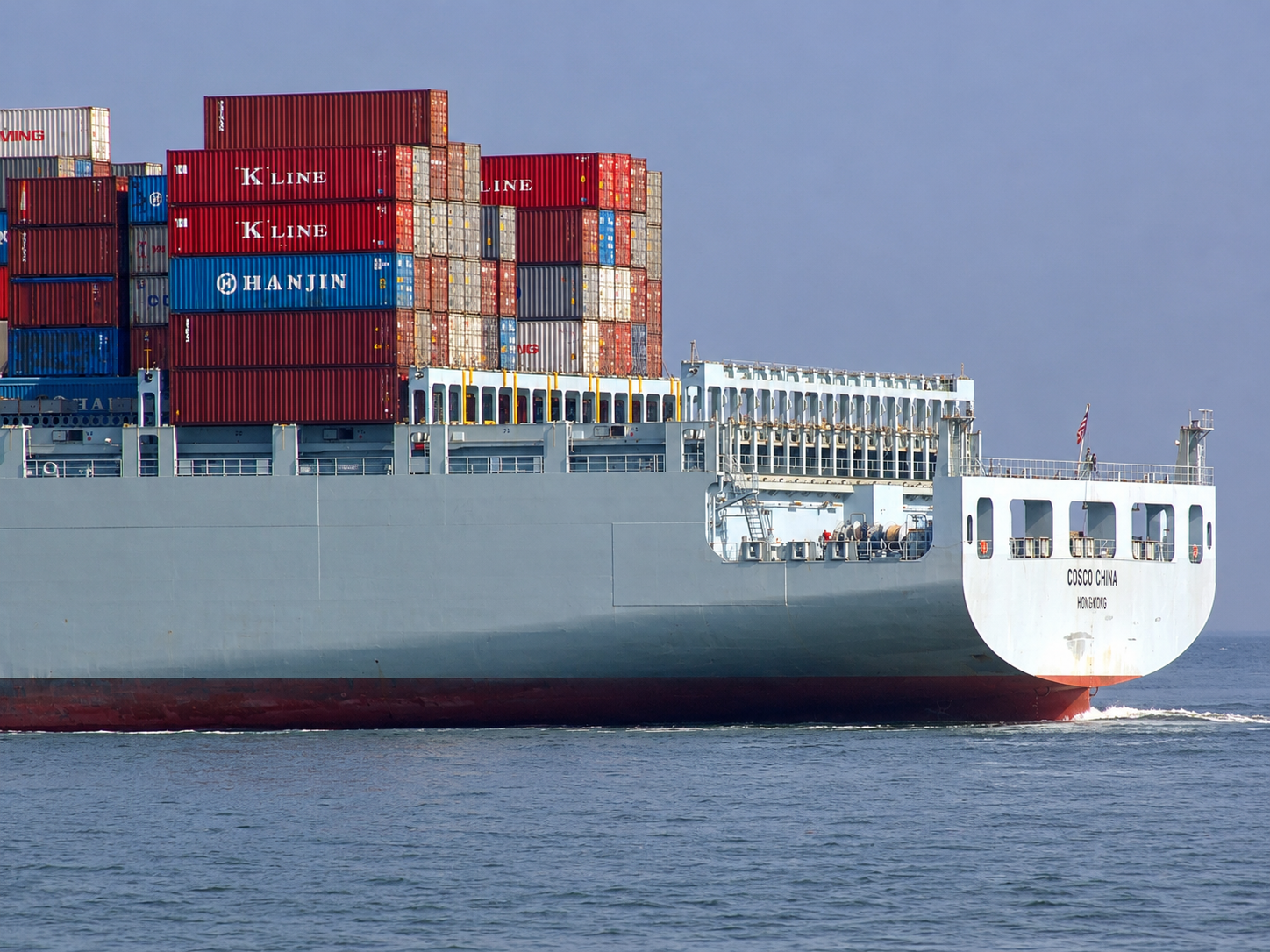
Vietnam faces a different exposure. Its factories sell heavily to the United States while relying on China for many components and materials. According to Vietnam’s national statistics office, the US bought $122 billion of Vietnamese goods in the first eight months of 2026, while China supplied $161.9 billion of its imports. Those figures describe different trade flows, not a simple measure of political dependence. They do show why a new export agreement cannot by itself free a manufacturer from existing suppliers. Washington has already tied the two together. Under the 2025 trade framework, goods judged to have been “transshipped” through Vietnam face a 40% tariff, and Hanoi now requires 35% local content before it will issue a certificate of origin. In early October, Vietnam’s trade ministry said talks on a final agreement were almost finished.
As US–Vietnam trade negotiations continued in October, Hanoi had to consider both access to its main export market and the production networks behind those exports.
For Vietnam, the problem is not a simple choice between Washington and Beijing. Replacing a Chinese component requires a supplier that can meet the same technical specifications, price and delivery schedule. Selling more goods to another market may also require new certification and buyer relationships. These steps take time even when a government wants them to happen quickly. The costs reach factories and workers before they appear in diplomatic statements.
Bangladesh offers a Bay of Bengal example. In June 2026, Dhaka and Beijing agreed to establish a foreign-ministers’ strategic dialogue and to explore a diplomatic and defence ‘2+2’ mechanism. Their joint communiqué also committed to deepen defence cooperation, including exchanges, visits and training, alongside technology, connectivity and maritime cooperation. In February, days before national elections, Bangladesh’s interim government signed a reciprocal trade agreement with Washington. Beyond market access, it commits Dhaka to cooperate on export controls and limit “countries of concern” in sensitive technology supply chains. It allows Washington to terminate the deal if Bangladesh signs a trade agreement with a “non-market economy” that undermines it. These agreements do not prove that either partner has dictated Bangladeshi policy. They show how trade, technology and security arrangements can create obligations that a government must manage across ministries and over time.
This is not an argument for identical relationships with every major power. Nor does it mean dependence is always harmful. Chinese investment has helped build manufacturing capacity in Indonesia; American demand supports Vietnamese exporters. The question is whether a country can refuse an unfavourable condition without risking a much larger part of its economy or security.
Why Australia Should Pay Attention
Australia has a stake in making alternatives usable, not merely available on paper. Its Southeast Asia Economic Strategy to 2040 seeks deeper investment in infrastructure, resources, green energy and technology. In practice, an alternative investment offer will matter most when it adds real processing capacity, transfers skills, meets workable technical standards and offers finance with clear long-term terms. Another agreement or headline project is less useful if the same technology, maintenance provider or export destination remains irreplaceable.
Governments can apply a simple test before major deals. Who controls essential components and maintenance? How long would switching suppliers take? Could another market absorb displaced exports? What would it cost to refinance a project or change technical standards? Officials in Jakarta, Hanoi and Dhaka, and in Canberra when it offers alternatives, should answer these questions together, rather than treating each deal as an isolated gain.
The Indo-Pacific will not neatly separate into two camps. Indonesia, Vietnam and Bangladesh all have reasons to work with competing powers. Their freedom of action will depend less on the number of those relationships than on the choices that remain when interests diverge. The difficult work is building alternatives before a crisis forces governments to use them.
Kawsar Mia is a Lecturer of Civics and Good Governance at Cosmopolitan College in Dhaka, Bangladesh. He writes on foreign policy, geopolitics, international affairs and regional security. His work has appeared in The Diplomat, Geopolitical Monitor, NIICE, South Asia Monitor, World Geostrategic Insights, Countercurrents and The Geopolitical Economist.
This article is published under Creative Commons Licence and may be republished with attribution.
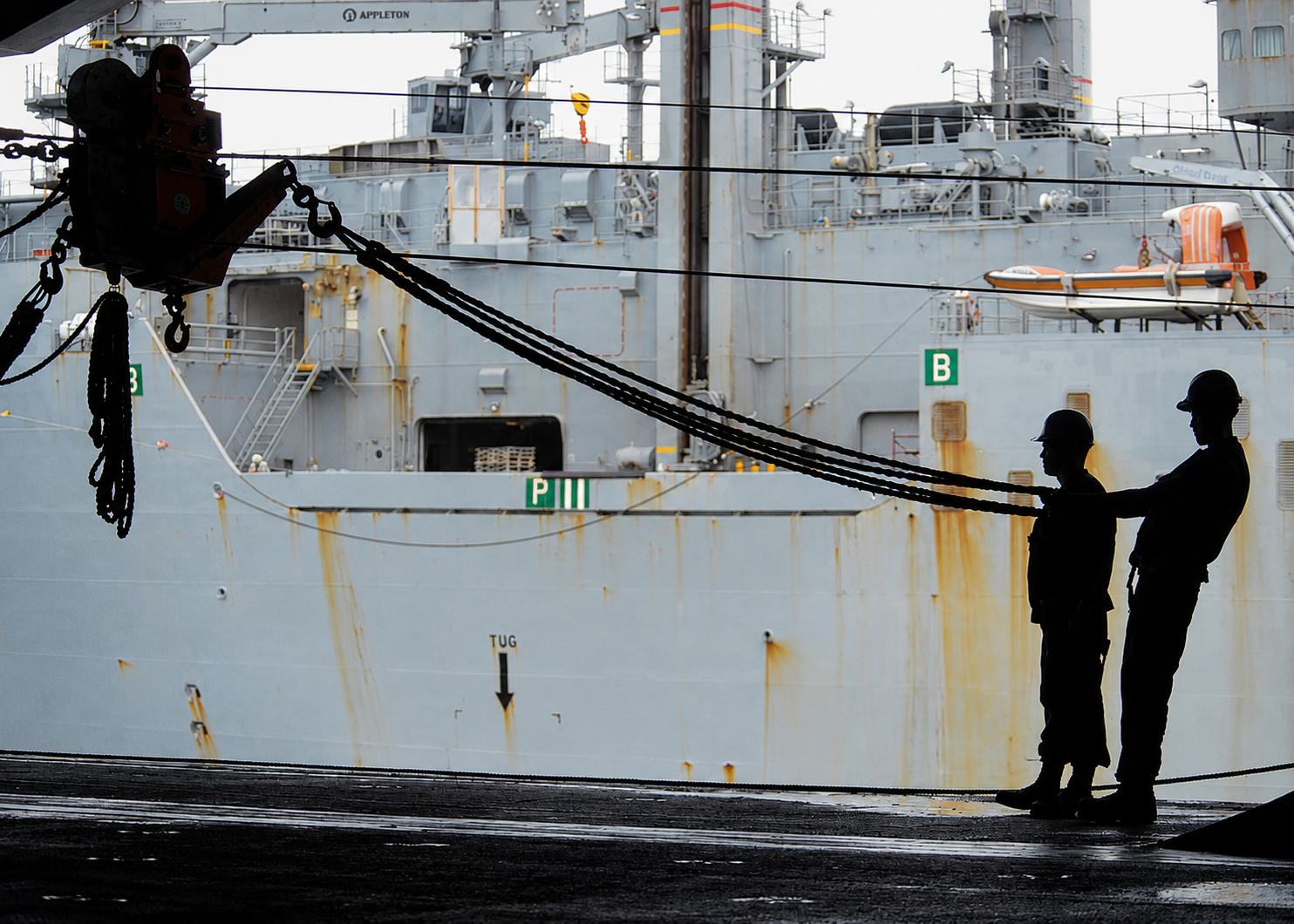
Photo: U.S. Navy photo by Mass Communication Specialist 2nd Class Holly L. Herline / DVIDS (Public Domain)