Prime Minister Narendra Modi’s three-nation visit to Indonesia, Australia and New Zealand represents an important milestone in the evolution of India’s Indo-Pacific strategy. The visit was not merely a diplomatic outreach to three individual partners; rather, it reflected India’s broader effort to build a network of strategic partnerships connecting Southeast Asia, the Indian Ocean and the Pacific. From ASEAN Centrality and maritime cooperation to uranium, critical minerals, resilient supply chains, technology and economic security, the tour demonstrated the expanding scope of India’s engagement with the Indo-Pacific.
India’s Indo-Pacific vision has evolved significantly over the past decade. Initially shaped by concerns about maintaining a free, open and inclusive regional order amid China’s growing assertiveness, India’s approach has increasingly incorporated economic resilience, connectivity, technological cooperation and trusted partnerships. As argued in earlier analyses, India’s Indo-Pacific strategy is based less on formal alliances and more on developing a network of partnerships with countries that share an interest in stability, sovereignty and a rules-based order.
The geographical sequence of Modi’s visit itself carried strategic significance. Indonesia represents ASEAN and the maritime centre between the Indian and Pacific Oceans; Australia is a key strategic partner and Quad member; while New Zealand represents India’s expanding engagement with the South Pacific. Together, these three relationships demonstrate how India is seeking to strengthen its position as a leading Indo-Pacific power.
Indonesia: Strengthening India’s Act East Policy and ASEAN Engagement
The Indonesian leg reinforced the importance of ASEAN in India’s Indo-Pacific strategy. Since the launch of the Act East Policy in 2014, India has placed ASEAN at the centre of its regional engagement, recognising Southeast Asia as the bridge connecting the Indian and Pacific Oceans.
Indonesia occupies a particularly important position because of its geographical location, maritime influence and leadership role within ASEAN. Cooperation between India and Indonesia has expanded beyond traditional trade relations to include maritime security, defence cooperation, digital transformation, infrastructure connectivity, critical minerals and the blue economy. The two governments also reaffirmed their commitment to strengthening the Comprehensive Strategic Partnership, expanding defence-industrial cooperation, enhancing maritime collaboration, and promoting greater connectivity and resilient supply chains across the Indo-Pacific.
The partnership is increasingly shaped by shared interests in maintaining a stable maritime environment. Both countries have emphasised the importance of international law, freedom of navigation and the peaceful resolution of disputes. Indonesia’s strategic autonomy and India’s preference for inclusive regionalism provide common ground for cooperation. The sustained implementation of the leaders’ commitments has the potential to open a “golden chapter” in India–Indonesia relations by deepening strategic and economic cooperation.
As geopolitical competition intensifies in Southeast Asia, stronger India–Indonesia cooperation also contributes to ASEAN Centrality and prevents the Indo-Pacific from becoming defined only through great-power rivalry
Australia: Strategic Convergence Beyond Defence
The Australia leg of Prime Minister Narendra Modi’s three-nation tour underscored the transformation of India–Australia ties into one of India’s most comprehensive strategic partnerships. While defence and maritime cooperation remain central through the Quad, Malabar and the 2+2 Ministerial Dialogue, the relationship has broadened significantly to encompass energy security, critical minerals, advanced technology, education and resilient supply chains. The partnership has evolved from symbolism to delivery, reflecting growing strategic trust and expanding cooperation across multiple sectors.:
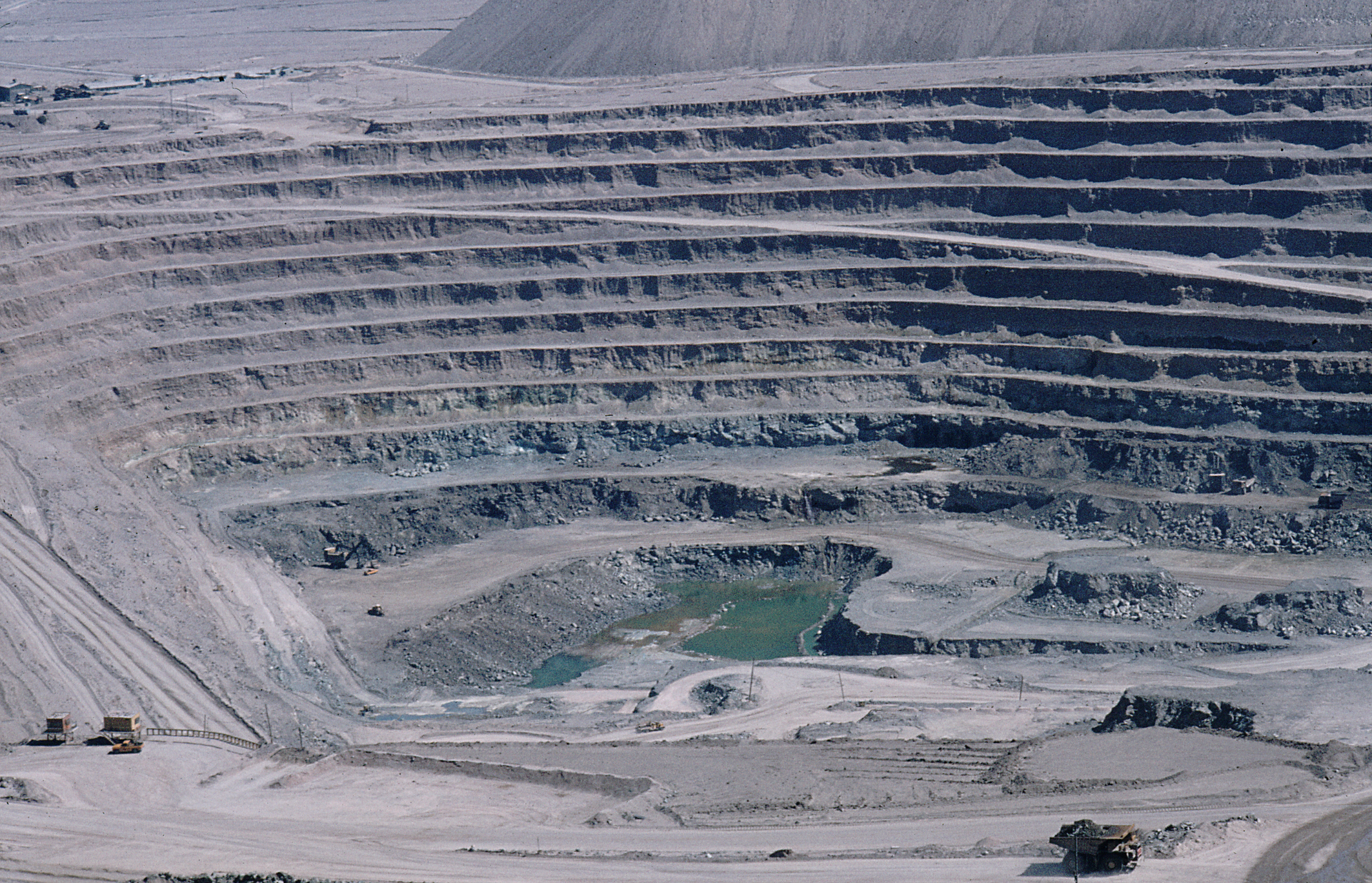
A key outcome of the visit was the reaffirmation of the two countries’ commitment to deepen defence and security cooperation, including greater maritime collaboration, defence industry partnerships and interoperability, recognising the need to maintain a free, open and rules-based Indo-Pacific. At the same time, Australia has become an increasingly important partner in supporting India’s economic security through reliable supplies of uranium and critical minerals essential for renewable energy, electric vehicles and advanced manufacturing. The Comprehensive Strategic Partnership provides the institutional framework for cooperation in clean energy, innovation, investment and technology, demonstrating that economic resilience has become an integral component of national security. Modi’s visit therefore highlighted that India–Australia relations are no longer driven solely by defence considerations but by a broader convergence of strategic, economic and technological interests that strengthens the Indo-Pacific regional architecture.
New Zealand: A Historic Strategic Transformation
The New Zealand leg of Prime Minister Narendra Modi’s three-nation tour represented perhaps the most symbolic milestone of the visit. Modi became the first Indian Prime Minister in several decades to visit New Zealand, signalling the beginning of a new phase in bilateral relations and reflecting the remarkable transformation of the partnership from one based primarily on historical goodwill to one underpinned by strategic convergence.
Historically, India–New Zealand relations centred on Commonwealth ties, education, cricket diplomacy and strong people-to-people connections through the Indian diaspora. However, the rapidly evolving Indo-Pacific strategic environment has fundamentally reshaped the relationship. New Zealand’s reassessment of regional security challenges, combined with India’s emergence as a leading Indo-Pacific power, has created significant strategic convergence between the two democracies. The relationship has evolved from one of geographical distance to strategic proximity, driven by shared interests in regional stability, economic resilience and rules-based cooperation.
During the visit, India and New Zealand elevated their relationship to a Strategic Partnership and announced an ambitious agenda covering trade, technology, education, agriculture, defence, maritime security and critical minerals cooperation. The leaders also reaffirmed their commitment to a free, open and inclusive Indo-Pacific while expanding cooperation in emerging technologies and resilient supply chains. The India–New Zealand Free Trade Agreement (FTA) negotiations, launched in 2025, marked a major step towards deepening bilateral economic ties and laid the foundation for closer trade and investment cooperation. Building on the momentum generated by Prime Minister Modi’s visit, both governments reaffirmed their commitment to conclude a comprehensive and mutually beneficial FTA. Negotiations are expected to accelerate, with both sides seeking improved market access, stronger supply chain resilience and deeper cooperation in digital trade, agriculture and high-value manufacturing
For New Zealand, India represents an increasingly important partner for economic diversification, technology collaboration and strategic engagement in Asia. For India, New Zealand enhances its Pacific outreach, strengthens engagement with like-minded democratic partners and reinforces its broader Indo-Pacific strategy by extending its network of trusted partnerships across the South Pacific.
Building a Resilient Indo-Pacific Partnership Network
The broader significance of Modi’s three-nation tour lies in the interconnected nature of the challenges facing the Indo-Pacific. Maritime insecurity, climate change, supply-chain disruptions, technological competition and energy security cannot be addressed separately.
India’s approach is therefore based on building partnerships that combine strategic trust with economic cooperation. Indonesia contributes ASEAN connectivity; Australia provides strategic depth, energy and resources; and New Zealand strengthens India’s engagement with the Pacific.
The visit demonstrated that India’s Indo-Pacific strategy is becoming increasingly comprehensive. It is not only about balancing geopolitical competition but also about creating resilient economic networks, strengthening technological cooperation and supporting a regional order based on openness and inclusiveness.
As the Indo-Pacific becomes the centre of global economic and strategic competition, partnerships such as these will shape the region’s future. Modi’s three-nation tour therefore represents not simply a diplomatic journey but a significant step in consolidating India’s role as a key architect of the Indo-Pacific order.
Dr Ashok Sharma is an Academic Fellow of the Australia-India Institute at the University of Melbourne; a Visiting Fellow at the Australian National University at the Strategic and Defence Studies Centre, the Coral Bell School of Asia-Pacific Affairs; a Visiting Fellow at the University of New South Wales Canberra at the Australian Defence Force Academy; an Adjunct Associate Professor at the Institute for Governance & Policy Analysis, University of Canberra.
This article is published under a Creative Commons License and may be republished with attribution.