Indonesia is South-East Asia’s largest economy and spends billions on its Makan Bergizi Gratis program to feed its most vulnerable. However, despite boasting such a large economy and population, a chronic failure to collect taxes leaves Indonesia under significant financial strain.
Walk into an Indonesian restaurant, and you might notice two white-capped, naval-suited blokes on government-issued vinyl posters, trying to smile at diners from the wall — they look more like admirals than administrators. They’re the mayor and his deputy, placed there by city hall to deliver a simple message: your bill will include a mandatory ten per cent tax.
Similar warnings have been tried many times across the seasons, always with little success. Before customers wiped down the seat, they’d ask if tax applied. If ‘yes’, the hungry would move to a nearby warung (roadside stall) and pay cash.
That’s changing as retailers modernise and tax collection becomes more efficient – though still below expectations. Last year, the revenue shortfall was about US $16 billion.
Universitas Gadjah Mada economist Dr Rijadh Djatu Winardi said the failure to meet the tax target was not merely an administrative issue but was also due to a weakening tax base.
Yet people are spending, driving inflation to 4.76 per cent. Indonesia has a mixed economy, the largest in Southeast Asia and the 7th largest in the world.
There’s been a transformation in retail shopping in the past decade, giving a glow of wealth, though the poor are ever-present at traffic lights, thrusting their newborns at the windscreen in an attempt to receive sympathy donations.
Westerners in suburban shopping malls would recognise the big barns, neon aplenty, full shelves, roaring AC, and use-by dates that seem legitimate.
The big difference is staff numbers. With school leavers paid less than AUD 300 a month (minus the cost of their uniform), there are plenty of helpers to pack and carry.
A Nation and Tax System in Trouble
Indonesia is categorised by its government as an upper-middle-income country, with a Gross National Income per capita of US $4,870 in 2023. The figure for Australia is US $63,150.
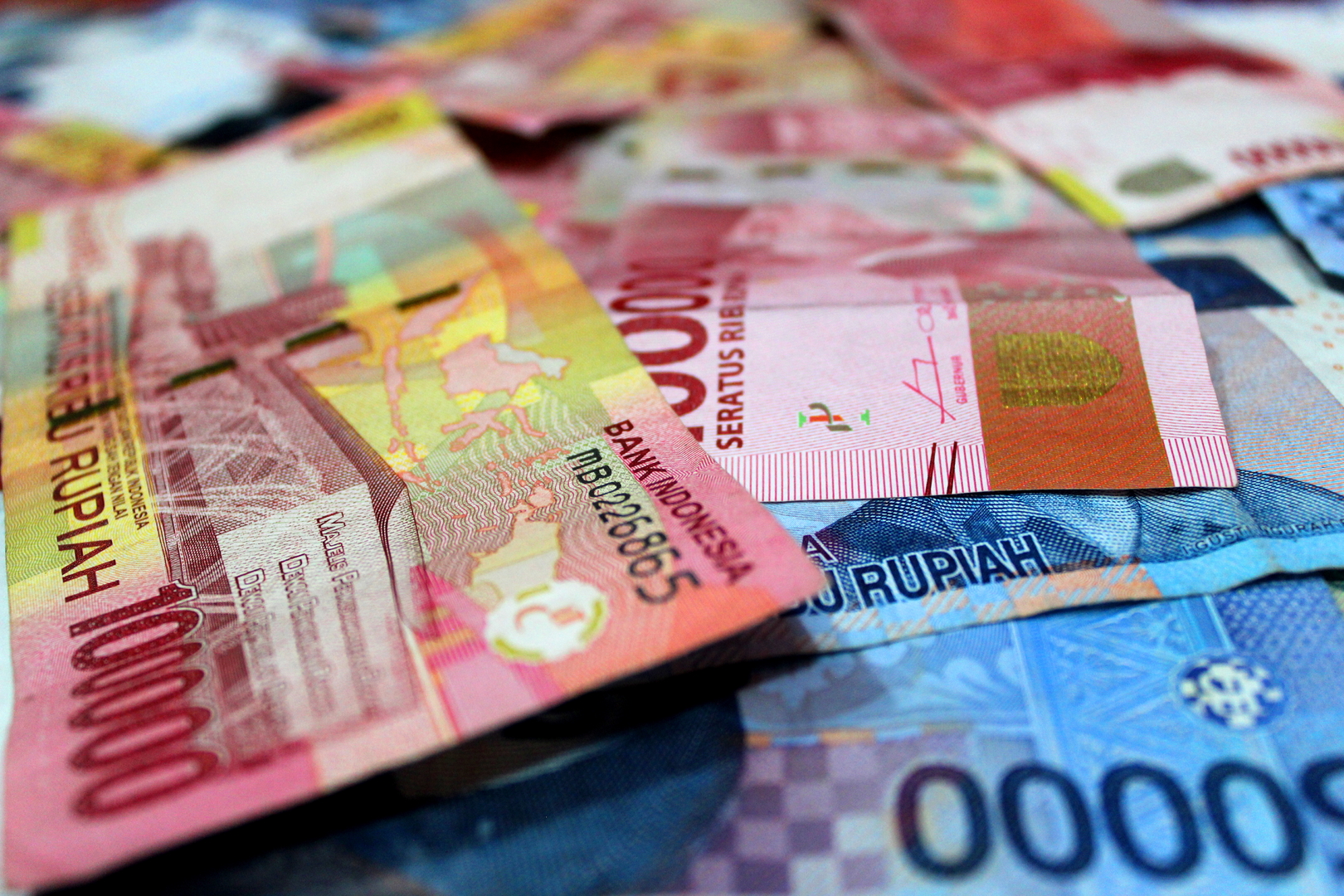
In the past year, the Australian dollar has jumped from buying 10,000 Indonesian rupiah to 11,750 Indonesian rupiah. Yet Australia’s GNP was 2.6 per cent, half that of the Republic.
The tax-to-GDP ratio in Indonesia is around 9%. The Organisation for Economic Co-operation and Development reckons the Australian figure hovers at 30 per cent. The OECD average is 34 per cent.
A paper from the Directorate General of Taxes blames ‘low tax morale‘:
Tax morale “refers to a person’s intrinsic motivation to willingly pay taxes, even beyond what is legally enforced. It reflects the social contract between the government and its citizens.”
“(It) often correlates with widespread perceptions of corruption, inefficient public spending, and a lack of trust in government institutions.” Tax morale cannot be legislated into existence; it must be earned.
Fiscal academics surveyed by the University of Indonesia largely believe that the economy is stagnating or deteriorating. More than half of the experts questioned: “believe the current economic situation has worsened compared with the previous quarter … or see no improvement or decline”.
The Priorities of a Warrior: Prabowo’s Budget Goals
As a one-time career general, it would be reasonable to expect President Prabowo Subianto’s priorities to be weapon upgrades and military training. After all, he’s now 74 and likes saluting parades.
As defence minister, he wandered the world ordering fighter jets, missile systems, and warships. Now he wants to buy the decommissioned Italian aircraft carrier Giuseppe Garibaldi (b 1985) for US$450 million. However, no one seems to know why, apart from prestige and the carrier’s possible role as a launch pad for drones.
In Southeast Asia, only Thailand has a carrier, the smallest in the world. The Italian boat would be bigger and dearer. But that’s not the budget blower.
The number one item chewing up the books is Prabowo’s Makan Bergizi Gratis (free nutritious meals) program to feed starving children, pregnant women and nursing mums. Since its inception, it has grown to almost US$ 21 billion by doing good for 83 million littlies, not warriors’ egos.
If this is to be Prabowo’s legacy, he’ll have earned it — a more worthwhile initiative than his involvement with Donald Trump’s Board of Peace.
The story goes that during his 2024 election campaign, Prabowo encountered stunted children. In that year, the rate of childhood stunting had dropped below 20 per cent, though it remained high in remote provinces.
The issue was well known by 2024 and was being tackled by health workers through intensive care; however, Prabowo rightly reckoned the program needed more money and impulsively gave it his imprimatur.
The evidence suggests he hadn’t thought through the issues.
To his credit, he’s kept his pledge even though the expense has exploded far beyond expectations; it’s now the biggest bang in the budget, weaponised by plundering other pockets, notably education, which is in much need.
Around 4.3 million children and adolescents aged 7–18 years are still out of school. Indonesia’s education system is ranked 67th globally in 2024, maintaining the same position since 2022.
Tax Morale and Deficits Regardless of whether Indonesia’s budget is spent on Makan Bergizi Gratis or other aid programs, major fiscal issues remain. Airlangga University professor Dr Rahma Gafmit has said the fiscal position suggested the government was boosting early spending.
In January 2026, the state budget had a deficit of US $31.5 billion. Within a month, the figure had more than doubled. “The spending has been used recklessly to finance the MBG,” she said.
In brief, additional tax revenue is needed to combat malnutrition and expand learning.
And the wee admirals? Their message is reasonable, but unless they can guarantee that all money will go to the MBG and education, diners will find ways around it. Tax morale has to be earned.
Duncan Graham is an Australian journalist in Indonesia.
This article is published under a Creative Commons License and may be republished with attribution.