As Putin’s desperation in Ukraine becomes ever starker, Russia’s actions against NATO have become increasingly aggressive and, perhaps most concerningly, increasingly bold. While the risk of escalation may dampen morale, Europe must nevertheless hold firm and respond to Russian aggression swiftly and strongly.
US Intelligence and a Looming Risk
Recent reports from US intelligence suggest that Putin may be willing to authorise aggressive and provocative actions on NATO territory in the coming months. The exact nature of these threats remain unclear, however r[http://willing%20to%20authorise%20aggressive]eports indicate they will most likely come in the form of hybrid threats and cyber-attacks. While it would be unlikely for Russia to use conventional military activity, the possibility of small-scale military incursions into NATO territory has been floated by the intelligence community as well. Regardless of the actions that ultimately take place, it is apparent that Putin is keen to test NATO’s resolve and unity.
A Pattern of Aggression
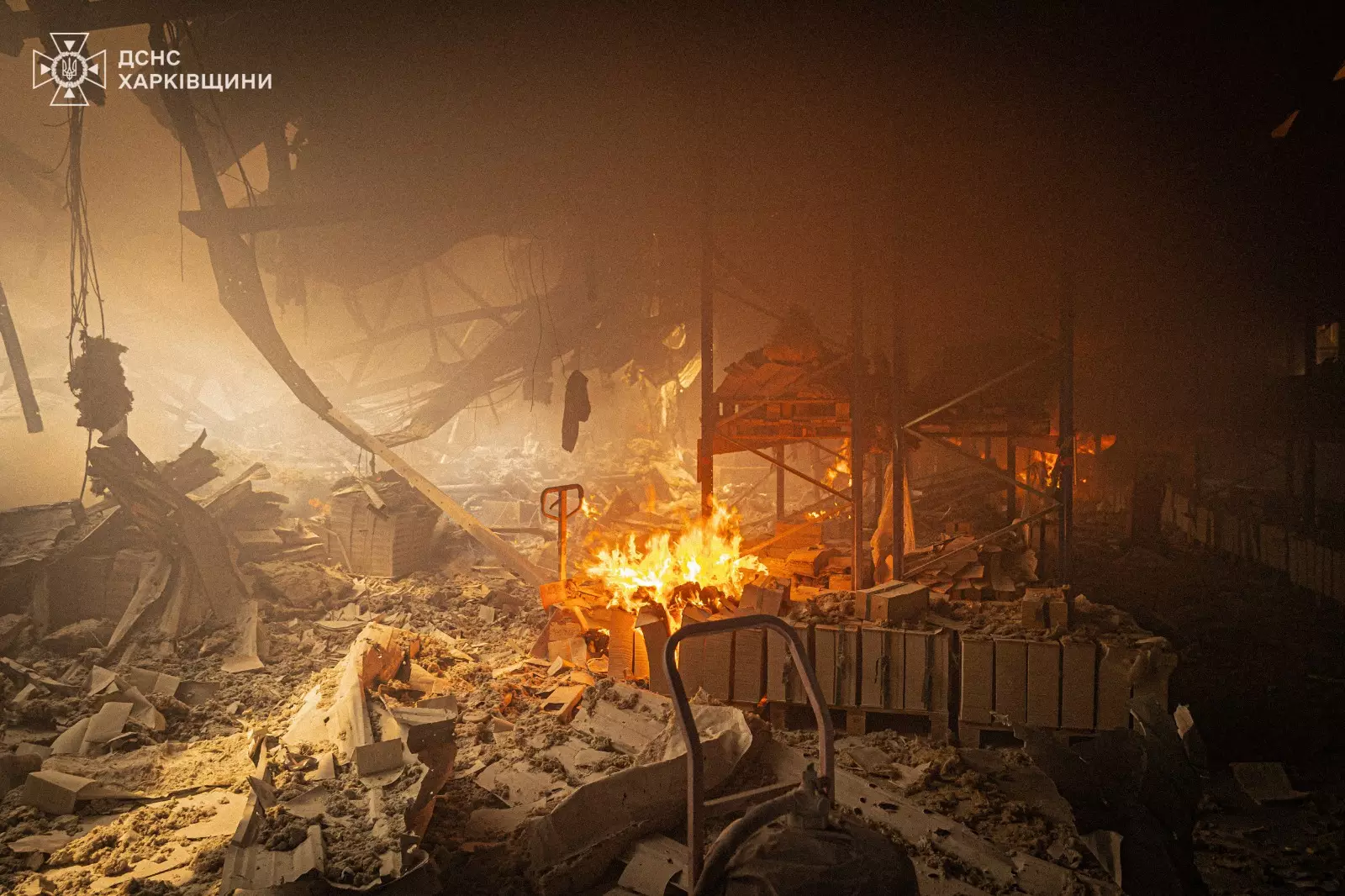
These grim intelligence reports come on the heels of other increasingly aggressive actions taken by Russia, the bulk of which have been aimed at Germany, Ukraine’s single largest military supplier. On August 7th, an explosive-laden drone was discovered at Leipzig/Halle airport in Germany near a Ukrainian cargo aircraft. The location of this drone is significant; Leipzig/Halle airport is an important military and shipment logistics hub used by NATO, the German military, and Ukraine’s Antonov Airlines. The drone was assessed to be of Russian origin. The incident forced a diversion of air traffic, during which a DHL plane collided with what is believed to be a second hostile drone. Three days later, two more drones were spotted over a military base near Mechernich, Germany.
Alongside these provocative drone incursions, Russia has also been suspected of attempting to assassinate two German defence contractors – Armin Papperger the CEO of Rheinmetall and most recently Stefan Thumann the CEO of Donaustahl which currently supplies MAUS FPV drones for Ukraine.
Desperate Times Call for Desperate Measures
What we are left with is an ever increasingly aggressive Russia that continues to hammer upon the fault lines of escalation. But why has Putin chosen to escalate now? After all, NATO has been reluctant to take escalatory actions against Russia since the war in Ukraine began. We of course do not know the internal thoughts of Russia’s leaders. What we do know, however, is that Russia’s invasion of Ukraine has been disastrous both economically and politically for the Russian elite, especially for Putin himself.
On the battlefield, Russian casualties now outpace recruitment rates, a fact that is extremely damaging to Russian morale, political support, and Russia’s economy. On top of this, Ukraine has repeatedly been able to target oil refineries and other strategic targets deep into Russian territory, further damaging Putin’s image. Reports indicate that Putin may be spending time in bunkers as Ukrainian drone attacks and open criticism of his actions make their way across Russia. For Putin, things do not look good, and if he is to remain in control, he must bring the conflict in Ukraine to a swift end with a Russian victory.
With all this in mind, many fear that Putin’s goal is to trigger article 5 by forcing NATO’s hand with a direct threat. Trump’s willingness to commit to a full-scale defence of NATO may prove to be limited, thus rupturing the alliance and worsening morale for NATO’s European members. This would open the flood gate to more Russian interference and aggression, providing Putin with a much needed pressure release and the chance to win political points back home. While this scenario is concerning, what worries me most is not a rupturing of NATO. What I fear is that Putin is testing the veracity of NATO’s responses rather than its unity. If Russia successfully threatens NATO territory and faces only weak responses in return, Putin may be emboldened. Combine this with his desperation in Ukraine and a scenario may arise in which Russia begins using even more reckless tactics in Ukraine, such as small-scale tactical nuclear weapons. Hopefully, this is not Putin’s ultimate aim, however the worst must be planned for. Given how bold Russia’s recent actions have been, the use of tactical nuclear weapons and other globally destructive tactics cannot be completely discounted.
My concerns are not mere speculation either; in May of this year, Russia conducted two sudden exercises of its strategic nuclear force. These exercises simulated nuclear launches in response to external attacks and mobilised ground-launched missiles, submarines, strategic bombers as well as tens of thousands of soldiers. Russia has also been floating the idea of using smaller-scale tactical nuclear weapons since at least 2024, when Russia and Belarus staged drills for the deployment of tactical nuclear weapons. As we can see, Russia’s tactical nuclear arsenal and Putin’s willingness to use it should not be taken lightly.
A Show of Strength and Unity
If Russia attempts direct actions against NATO territory in the coming months, NATO’s response must be harsh, swift, and clear. It must signal to Russia, with no room for doubt, that further aggression will not be tolerated and that the use of any nuclear weapons, small-scale or conventional, would only bring consequences too severe to accept. The exact repercussions would depend on what measures Russia ultimately takes, however, the following would be an advisable starting point:
- Use any remaining Russian assets frozen by European banks to fund Ukrainian military efforts. This can be done using a similar financial and legal framework that was recently used with Russian assets frozen in Euroclear accounts.
- Implement further SWIFT restrictions on any remaining Russian financial entities.
- Expand existing battalion-sized NATO battlegroups stationed on the Eastern flank to Brigade-sized formations.
Alexandra Desailly holds a Bachelor of International Studies with Distinction from UNSW. She is a former Australian Outlook Intern at the Australian Institute of International Affairs National Office, one of thirty selected for the Young Australians in International Affairs (YAIA) Emerging Leaders Dialogues, and winner of the YAIA Policy Pitch Competition. Her work focuses on deterrence, national security, and diplomacy.
This article is published under Creative Commons License and may be republished with attribution.