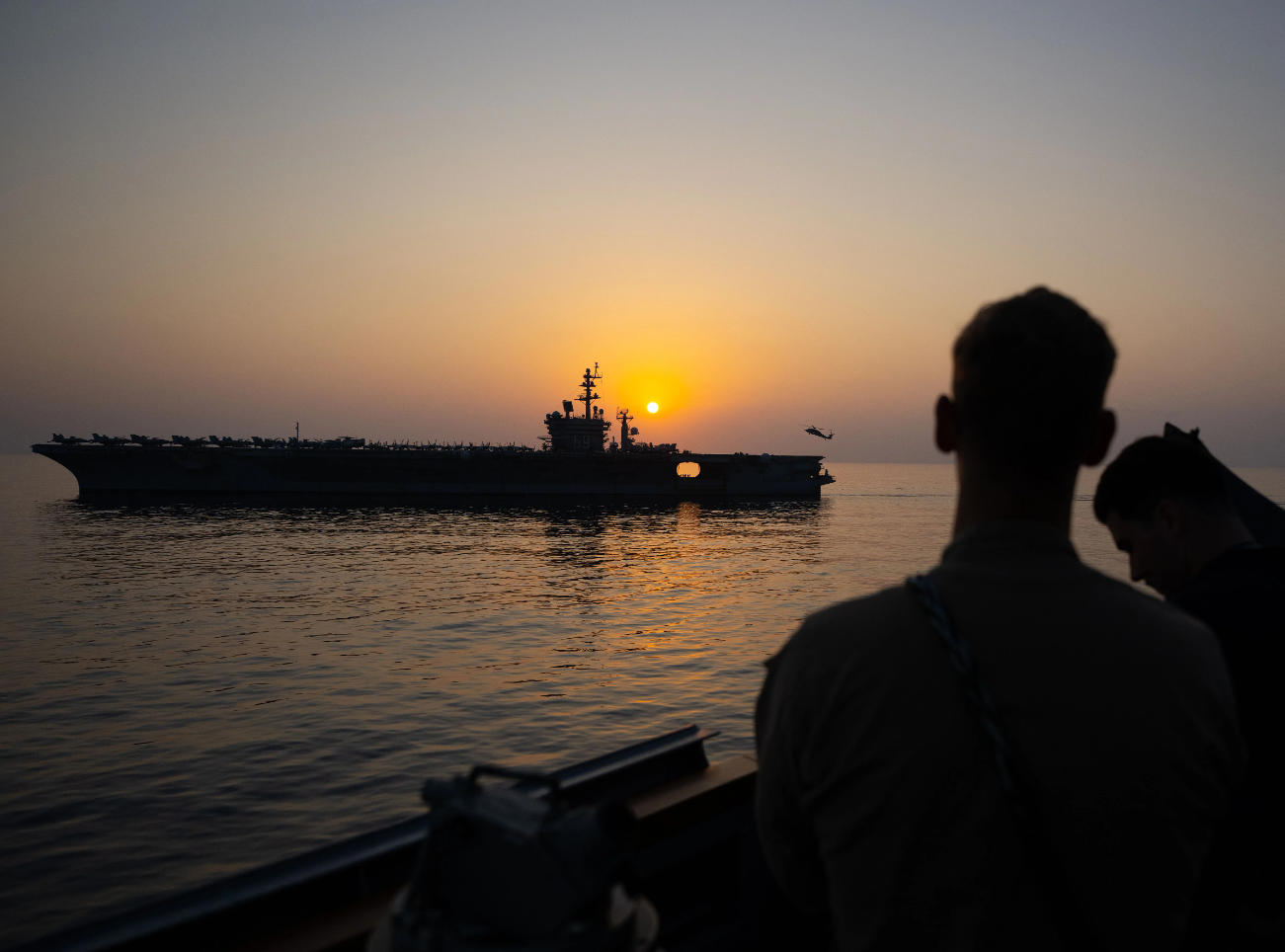
The war’s global implications are being highlighted by the closure of the Strait of Hormuz. Uncertainty in the Strait, a vital conduit for global energy supply, has direct and significant economic repercussions, ranging from rising energy costs to heightened volatility in financial markets.
The war with Iran has grown beyond a purely regional conflict in the Middle East; it is also a preliminary test of the cohesion of the Western alliance under President Donald Trump. Deep-root causes concerning burden-sharing, strategic partnership, and political trust within NATO are being exposed by the reactions of the United States and its allies as tensions escalate, and the shock of the interruption of the Strait of Hormuz is felt by the world’s energy markets. A broader re-evaluation of how Western alliances function in an increasingly volatile global context is underway, rather than merely a contest of deterrence against Iran.
This war unfolds in quite a distinct political setting in Washington than in previous Middle East conflicts. Trump’s foreign policy approach throughout his current term has remained consistent with a transactional view of alliances, putting concrete commitments and national advantage over conventional ideas of shared security. NATO’s internal structures are experiencing pressure and uncertainty. European allies are currently navigating a more nuanced strategic context, in which unconditional alignment with the United States is rarely assumed but still anticipated. As a result, the Iran war reveals the political boundaries of alliance unity and puts operational teamwork to the test.
A Regional War with Global Consequences
The war’s global implications are being highlighted by the closure of the Strait of Hormuz. Uncertainty in the Strait, a vital conduit for global energy supply, has direct and significant economic repercussions, ranging from rising energy costs to heightened volatility in financial markets. The economic implications of the war in Iran have heightened calls for de-escalation in European economies already facing structural strain.
NATO allies’ strategic calculations are hampered by this economic element. While local economic factors favour neutrality, security commitments require European states to back U.S. policy. The result is a dual strain that weakens the unity of collective decision-making. As a result, the Iran War cannot be viewed simply as a regional security matter; rather, it is a confluence of political, economic, and military concerns that go well beyond the Middle East.
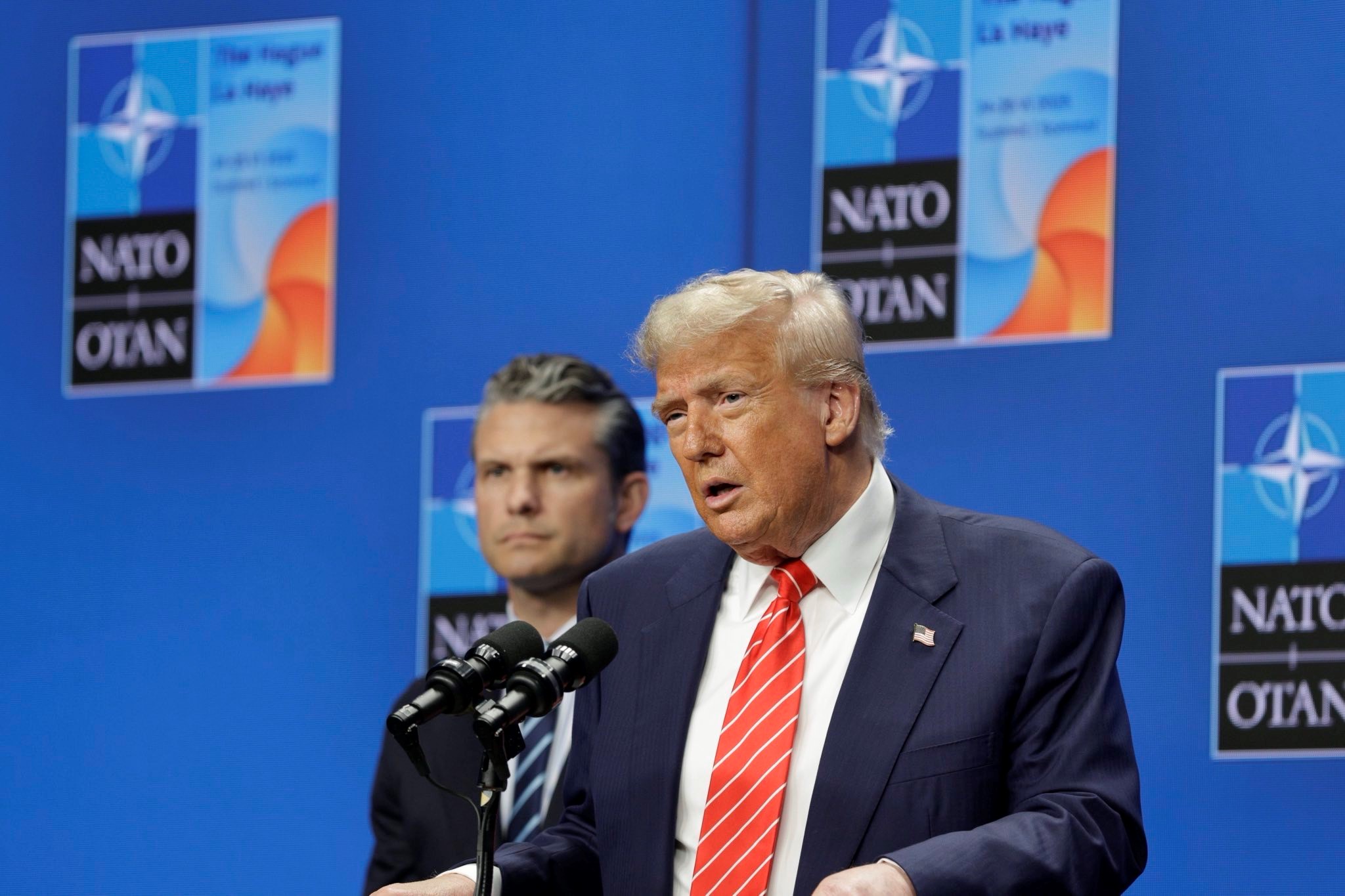
Trump’s use of external threats to alter alliance behaviour is part of a broader trend in his foreign policy, as seen in how he managed the situation. The current crisis intensified his repeated criticism of NATO states for inadequate defence spending, with new demands for enhanced European contribution to both military operations and financial commitments.
There could be inconsistent outcomes from such a strategy. On the one hand, it could hasten European attempts to strengthen strategic autonomy and increase defence spending. On the other hand, it carried the risk of upsetting allies who see this type of strain as eroding the alliance’s cooperative roots. As Stephen M. Walt argues in The Hell of Good Intentions, alliances are upheld by bilateral trust as well as common interests, which can be weakened when relationships are laid out mainly in terms of take and give.
However, Trump’s strategy does make some sense. Realists, including Mearsheimer, argue that greater shared burdens could boost the alliance’s overall capabilities. The tough element is achieving this without weakening political cohesion, which is vital for successful shared action.
NATO at a Crossroads
The war in Iran has caused long-standing divisions within NATO. Attempts to develop a cohesive response have been hindered by member countries’ varying views of the risk. Russia remains the primary security threat for many Eastern European nations, while instability in the Middle East is seen as a secondary concern. On the other hand, the impact of Middle Eastern unrest is more immediate for Southern European nations, particularly regarding migration and energy security.
Establishing agreement turns tougher because of these conflicting agendas. NATO’s viability eventually depends on political agreement among its members, even if it maintains strong bureaucratic procedures. Even in the absence of explicit disagreement, the current crisis highlights the likelihood of a slow erosion of strategic cohesion.
However, history reveals that crises may also act as a catalyst for adaptation. As Barry Posen, in his book ‘Restraint: A New Foundation for U.S. Grand Strategy’, indicates, alliances often fluctuate in response to changing strategic conditions. The question is whether NATO can utilise the war in Iran to reassess its goals, or whether internal divisions will spike further.
The Expanding Role of Middle Powers
Middle powers have played a significant part in fostering diplomatic dialogue throughout the current war. States such as Pakistan and Turkey have emerged as mediators, underscoring the multipolar character of international diplomacy. Pakistan’s recent effort to portray itself as a mediator and host the negotiators from the United States and Iran is especially notable. Despite an unreliable track record in regional policy and counterterrorism, Islamabad has utilised its alliances with rival blocs to preserve channels of communication at a critical time. In this respect, its role is less about resolving the war and more about preventing further escalation by facilitating dialogue when direct engagement is politically constrained.
Their engagement represents an overall shift away from Western supremacy in conflict resolution and highlights the growing role of regional players in crisis management. For NATO, this development provides both challenges and opportunities. On one hand, reliance on external mediators may indicate an erosion in Western diplomatic dominance. On the other hand, it offers other de-escalation alternatives that can complement formal alliance protocols.
The ability of NATO member countries to engage productively with these actors will be crucial to determining the crisis’s trajectory. Successful diplomacy in such a complicated setting requires cooperation outside conventional alliance agreements.
Future Trajectories: Cohesion, Transnationalism, or Fragmentation
The long-term repercussions of the Iran conflict for Western alliances will ultimately be shaped by how these interactions play out. Three potential pathways can be identified.
The first path is a renewed feeling of cohesiveness. In this scenario, the common challenges posed by the war drive greater cooperation among NATO members, strengthening NATO’s legitimacy and efficiency. This would signify the continuation of NATO’s enduring position as a foundation of Western security.
The second path is a shift towards transnationalism. The alliance persists, but collaboration becomes increasingly conditional, driven by national interests and contributions rather than unified standards. While this could enhance efficiency in certain areas, it also has the potential to weaken NATO’s sense of joint missions.
The third path is gradual fragmentation. If internal divisions continue to grow, NATO may struggle to react to future crises as a cohesive alliance. This would not necessarily lead to the alliance’s collapse, but it might significantly diminish strategic unity and influence.
The Iran war indicated that it’s more than just a test of military capacity or regional strategy; it also tests Western allies’ resilience and adaptation in a shifting geopolitical context. Under President Trump, this test is exacerbated by a leadership style that prioritises power and negotiation above established alliance conventions.
For NATO, the stakes go beyond the current crisis. The alliance must navigate a complex web of security challenges, economic constraints, and political disagreements while maintaining its credibility as a collective defence agency. The capacity to manage these opposing needs will determine whether it emerges stronger or more fractured by the end of this period.
Ultimately, the significance of the Iran war may lie less in its immediate outcomes than in what it reveals about the future of alliance politics. In an era of shifting power dynamics and increasing uncertainty, the capacity of Western alliances to adapt will be a critical determinant of their continued relevance.
Sami Omari is an Afghan-born international relations, diplomatic, and policy consultant with extensive experience working alongside NATO, International Security Assistance Force, and the U.S. Department of State, including the Bureau of International Narcotics and Law Enforcement Affairs (INL), as well as diplomatic missions on governance, conflict, and legal reform in fragile states. He previously served as a prosecutor and legal advisor in Afghanistan and later worked as a cultural and security affairs instructor with Australia’s Department of Foreign Affairs and Trade and Australian Defence Forces, delivering training on culture, security, and civil–military relations. Mr Omari also served as Government Liaison Manager for NATO in Afghanistan, where he worked closely with Afghan government institutions and international partners during key phases of the conflict, including the period surrounding the U.S.–Taliban Doha negotiations and the release of Taliban prisoners. Now based in Australia, he works as a strategic consultant focusing on South and Central Asian security and strategic affairs and is currently completing a master’s in international relations at Flinders University.
This article is published under a Creative Commons License and may be republished with attribution.