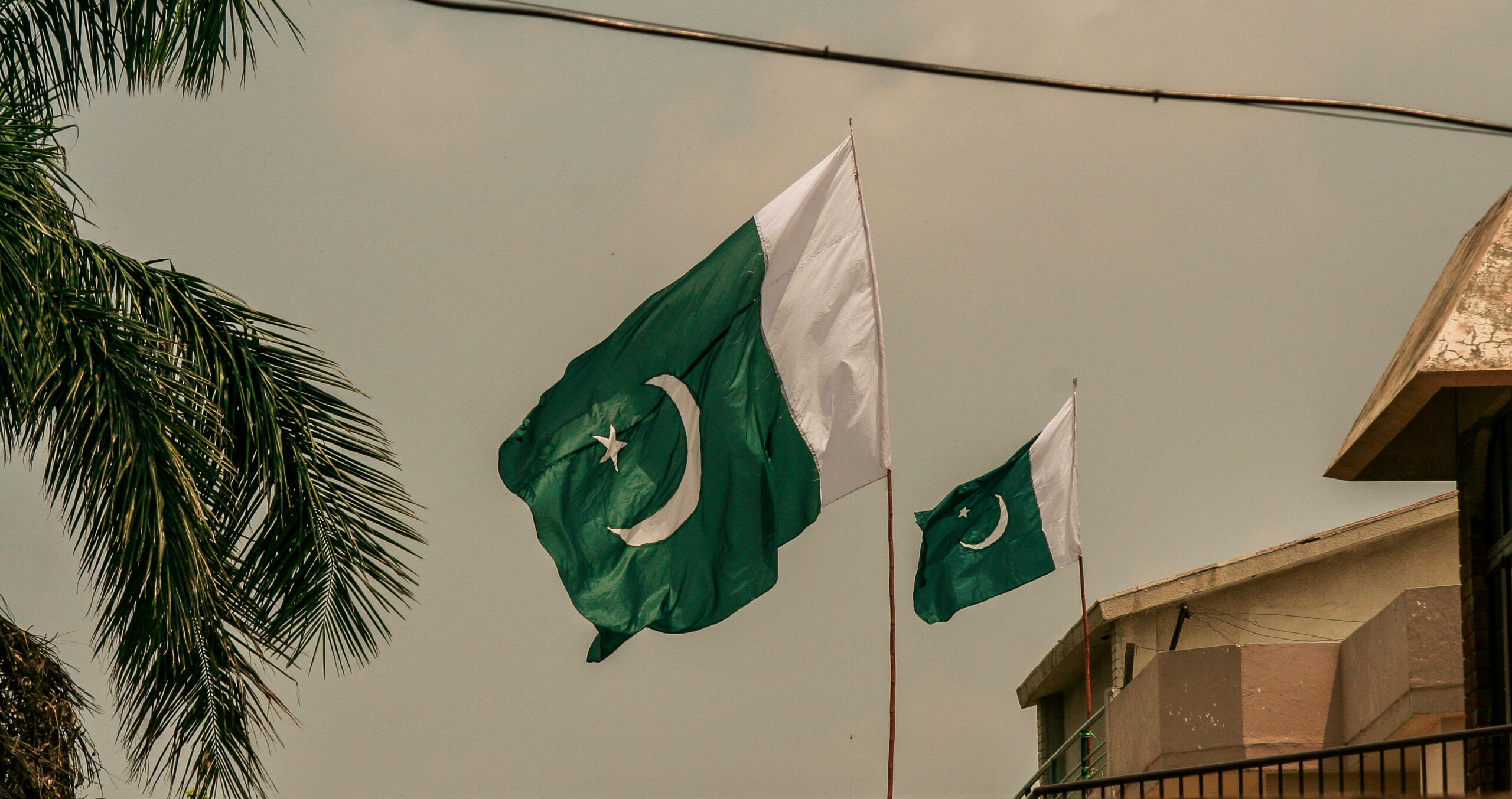
Pakistan is actively engaged in mediating peace between the United States and Iran for various reasons. Nonetheless, even if a peace treaty is successfully established, challenges will persist for Pakistan and the broader region due to the intricate issues involving Iran, the Gulf States, and Israel.
Islamabad, Pakistan’s capital, is currently at the centre of important negotiations between Iran and the United States. These discussions carry international weight due to their implications for energy supplies and regional stability. However, for the host nation, Pakistan, their importance is even greater. This is largely due to Pakistan’s geopolitical proximity to Iran and strategic ties with Gulf countries. Pakistan’s peace initiatives are commendable; however, it remains in relatively stable but delicate circumstances beyond this ceasefire, regardless of the outcome. A comprehensive peace agreement between Israel, Iran, and the Arab states remains unlikely at this stage, given the numerous unresolved issues. Therefore, Pakistan must proceed carefully. The path ahead seems more complex than the optimistic view of the Islamabad peace talks suggests.
Domestic Concerns in the Wake of the Attack
Pakistan is already dealing with complex issues stemming from the conflict involving Iran, the Gulf states, Israel, and the US. The reasons vary, including those of the local population, international agreements, and other considerations. Approximately twenty per cent of Pakistan’s population follows the Shia sect, with many maintaining spiritual ties to their supreme leader in Iran. Any overt hostility directed towards Iran could potentially incite unrest within Pakistan. The incident became apparent when an American/Israeli strike reportedly killed Supreme Leader Ayatollah Khomeini. This event subsequently triggered violent protests at the United States consulate in Karachi, resulting in the loss of at least ten lives. Furthermore, despite sectarian divides, the majority of Pakistanis see an attack on Iran as an act of aggression. Extensive protests have been documented in numerous other cities. Therefore, Pakistan approached the matter with caution, condemning attacks against Iran. It also maintained a neutral stance and was not involved in any kinetic operations against Iran.
Alliances and Relationships at Risk
Conversely, Pakistan maintains strong alliances with the Gulf states, where millions of Pakistani expatriates are employed, and their remittances play a vital role in sustaining the Pakistani economy. The nation also relies on energy imports from these states. Over the years, Pakistan has depended on Gulf states for energy supplies from the Strait of Hormuz. The recent conflict has put additional pressure on Pakistan’s already fragile economy, leading to significant increases in fuel prices and inflation. Besides, Pakistan has a mutual defence agreement and has traditionally nurtured close relations with Saudi Arabia. Due to long-standing economic and political ties, these states expect Pakistan to play a more prominent role for them in any conflict with Iran. As such, Pakistan’s neutral position and role as a mediator may be perceived as a hesitation to cooperate with its traditional allies fully. While Saudi Arabia has taken no substantive action against Pakistan, the situation with the United Arab Emirates is somewhat different, as it has asked for repayment of the $3.5 billion deposited in Pakistan’s central bank, signaling animosity towards Pakistan’s attempt to play the part of the neutral peacemaker.
Border Vulnerabilities and Security Concerns
In addition to balancing Iran and the Gulf states, other challenges persist. The weakening of Iran’s government presents a significant security risk to Pakistan. Insurgent attacks, particularly in Balochistan along the border with Iran, have been frequent in the last few years. Pakistan shares a border with Iran that extends over 900 km, all of which runs through the Balochistan province. A fragile government in Iran could create more opportunities for insurgent activities on both sides of the border. There is also a possibility that the Iranian government may not withstand this assault, and a regime supported by Israel could come to power in Iran. This also adds to Pakistan’s worries, due to its tense relations with Israel and the close ties between India and Israel. Many in Pakistan believe that this could escalate insurgent activities in Balochistan. Pakistan has previously accused India of backing insurgent groups in Balochistan and has detained an Indian spy linked to these insurgencies.
The Situation Going Forward
Every challenge presents an opportunity; these challenges have tested Pakistan’s resilience, enabling it to overcome its limitations and facilitate dialogue between conflicting parties. A fragile ceasefire is currently in place, and many hope it will hold. However, even if a temporary peace is achieved, sustaining long-term stability remains a challenge. The fundamental tensions are not confined merely to the United States and Iran, nor are they solely centred on the Strait of Hormuz or Iran’s nuclear enrichment activities, which are the primary focal points in the talks. The conflicts within the Middle East are complex and deeply rooted. The involved parties, namely Iran, the Gulf states, and Israel, are in disagreement across various regions, including Yemen, Syria, and beyond. Given the intricacies of the circumstances and the adversarial stance of the conflicting parties, a comprehensive peaceful resolution appears unlikely in the foreseeable future. The region is more likely to face a fragile peace, even if an agreement is reached between the US and Iran.
This puts not only Pakistan but also the region in a very delicate situation, with limited choices. As Iranian leadership is wiped out by US and Israeli strikes, it will give more space to hardliners in Iran to try to assert their own power. The challenges mentioned earlier will continue in the Middle East, even if a truce is reached. In an era of heightened geopolitical uncertainty, Pakistan’s role becomes increasingly vital in negotiations during the difficult period that is to follow.
Muhammad Rizwan is a PhD Scholar in the Faculty of Arts and Education at Deakin University, Melbourne.
This article is published under a Creative Commons License and may be republished with attribution.