Peace rankings remain valuable measures of domestic stability. But do they capture Australian partnerships that keep the Indo-Pacific’s shared waters safe and secure?
After the Philippines ranked 102nd in the 2026 Global Peace Index, senior maritime officials from across Asia, Australia and the United Kingdom gathered in Manila to strengthen cooperation against piracy and armed robbery at sea. The contrast appears striking: a country facing persistent domestic security challenges was simultaneously leading regional efforts against the same transnational threat.
The apparent contradiction disappears when domestic peace and regional security are considered as complementary indicators. Peace rankings assess security conditions within states. They measure violence and political stability while also capturing perceptions of safety, but reveal less about how countries contribute to security beyond their borders.
For Australia, the distinction matters. Its prosperity is anchored in secure Indo-Pacific sea lanes, making it necessary to look beyond domestic peace rankings when evaluating regional partners. In maritime Southeast Asia, where security threats move faster than formal diplomacy, a partner’s value also depends on the quality of its information-sharing and its ability to coordinate responses with neighbouring authorities.
Security Through Cooperation
The maritime domain is inherently transnational. Threats at sea range from piracy and armed robbery to illegal fishing, while human trafficking and marine pollution present additional cross-border challenges, making trusted operational cooperation indispensable.
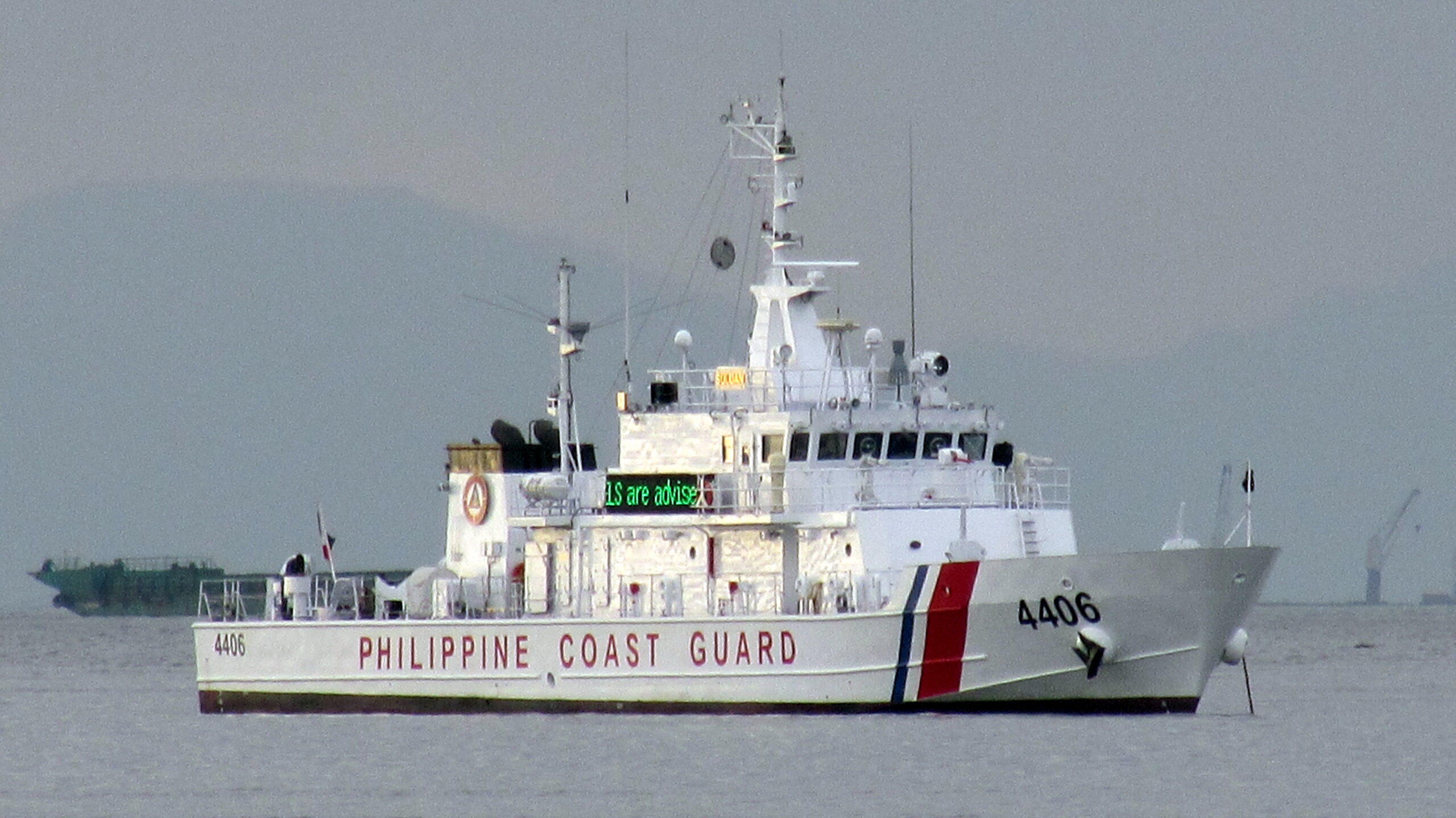
During periods of heightened piracy in the Sulu-Celebes Seas, Philippine Coast Guard female radio operators, known as the Sea Angels, maintained regular contact with vessels transiting high-risk waters. Their calm and authoritative communication gave mariners the confidence to report suspicious activity, improving the flow of information between ships and maritime authorities. For Canberra, the episode shows how trusted communication can turn reports from mariners into actionable intelligence, allowing neighbouring authorities to respond more effectively.
Reports from mariners, combined with information shared among neighbouring authorities, enabled faster identification of maritime risks and timely operational responses. The Philippines demonstrates how communication and coordination can strengthen regional security despite persistent domestic challenges.
Among Regional Cooperation Agreement on Combating Piracy and Armed Robbery against Ships in Asia (ReCAAP) Contracting Parties, the 2026 Global Peace Index ranges from Singapore, ranked eighth globally, to Myanmar, ranked 151st. Maritime offenders operate across jurisdictions regardless of these rankings. ReCAAP addresses that challenge by linking national focal points and facilitating information-sharing among maritime agencies. Its first quarter 2026 report recorded a 64 per cent decline in incidents of armed robbery against ships compared with the same period in 2025. For Canberra, secure maritime routes are a long-term economic and strategic imperative, with nearly one-third of global trade passing through the Straits of Malacca and Singapore.
Australia’s Operational Approach
Cooperative maritime engagements build operational trust and Australia’s partnership with the Philippines shows the value of this approach. The two countries work together through coast guard engagements, humanitarian assistance and disaster response missions, as well as capacity building programs to improve interoperability at sea. Canberra’s support for Manila’s maritime domain awareness strengthens regional information-sharing, while joint exercises enhance both countries’ ability to respond to incidents that cross national jurisdictions.
The same pattern can be seen across other ReCAAP Contracting Parties. Australia maintains similar operational partnerships with Sri Lanka, ranked 67th, and Thailand, ranked 101st, in strengthening maritime law enforcement capabilities and addressing transnational maritime crimes, such as human trafficking and drug smuggling. These cooperative efforts build Australia’s capacity to detect and respond to maritime threats, safeguarding the sea routes that support its trade and economic prosperity.
Viewed through this lens, a country’s value as a maritime security partner should be judged by what it can do in practice, not by peace rankings alone. Even countries facing internal security challenges can contribute to regional stability when they have capable maritime agencies and working channels for cooperation with other states.
Rethinking Partnership Assessment
Cooperation at sea is becoming more significant than ever as maritime criminals now manipulate vessel identities or switch off Automatic Identification System transponders to operate as dark vessels. Satellite surveillance and maritime sensors have improved maritime domain awareness, but technology still requires human judgement and timely coordination among neighbouring authorities.
Domestic peace rankings should inform, but not define, assessments of regional partners. Greater weight should also be given to operational cooperation and trusted information-sharing networks, along with maritime domain awareness and the capacity to coordinate responses across borders. These qualities reveal how security is delivered in practice across the Indo-Pacific.
Peace rankings will remain valuable indicators of domestic stability. Used in isolation, however, they risk overlooking the practical cooperation that keeps shared waters secure. As Australia deepens engagement across the Indo-Pacific, recognising these strengths will help Canberra build partnerships that have demonstrated their value in responding to shared maritime challenges. Evaluating both domestic peace and operational contributions to regional security would provide a more complete picture of which partnerships deserve long-term investment.
Joy Dianne Gumatay is Senior Strategic Communications Officer with the Philippine Coast Guard. Alongside her work in maritime governance, she conducts independent research on the Women, Peace and Security agenda and inclusive peacebuilding in the context of maritime security, humanitarian assistance and disaster response, as well as regional cooperation across the Indo-Pacific.
This article is published under a Creative Commons License and may be republished with attribution.