As Australia and the Asian Development Bank redefine nuclear energy as the “clean” solution for the Indo-Pacific, Pacific Island nations have been largely left out of the conversation. With no regional position of its own, clean energy – and ultimately its future – in the region risks being decided for the Pacific without any meaningful consultation.
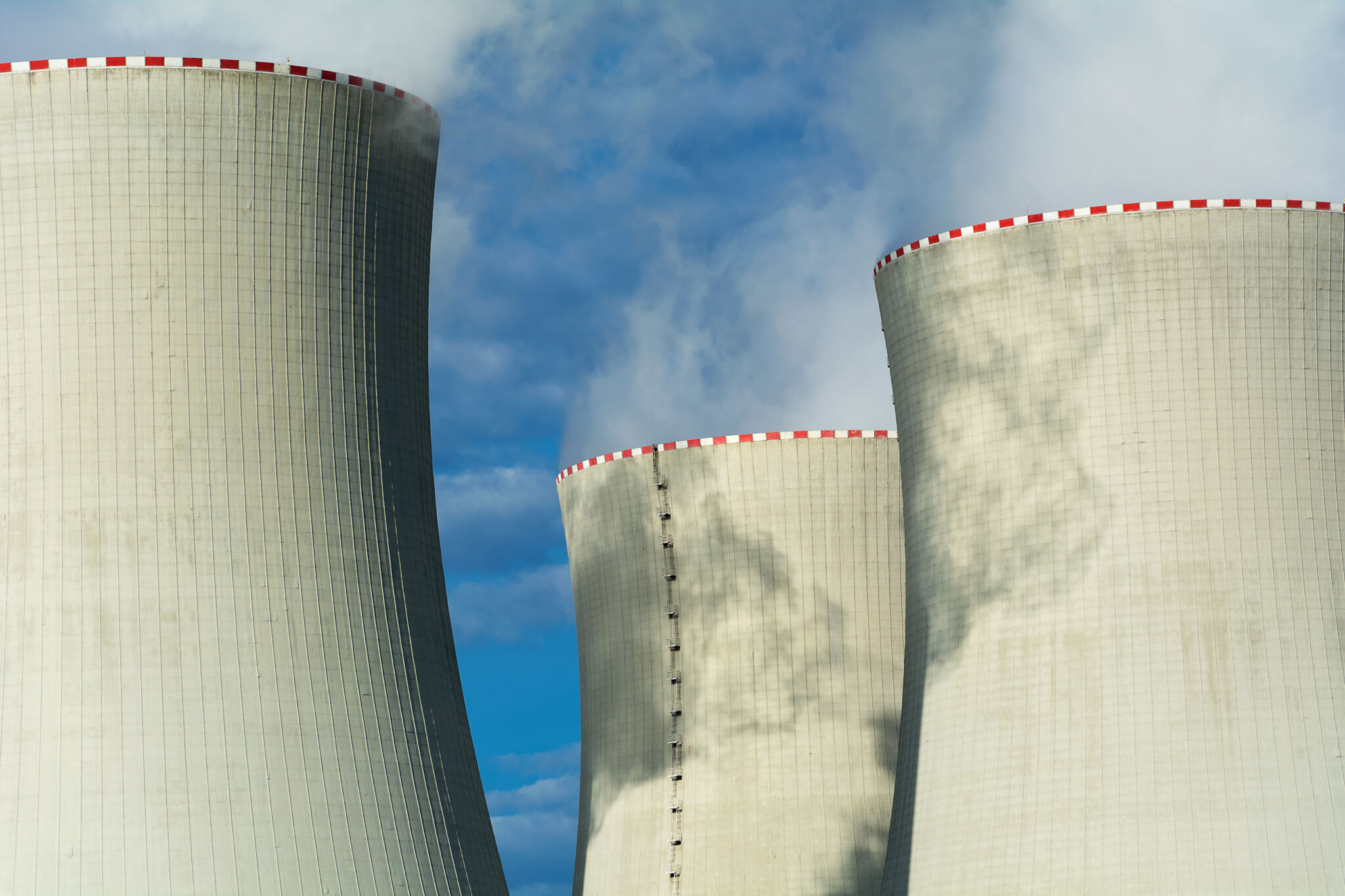
In a space of four weeks, two major Indo-Pacific players quietly folded nuclear energy into their idea of clean energy – a definition that the Pacific will have to live with, but has had no hand in shaping. The Asian Development Bank hosted a spotlight session on nuclear energy as a sustainable solution for Asia and the Pacific. Its 2025 Energy Policy had removed its longstanding prohibition on financing nuclear investments. Weeks later, Australia operationalised uranium exports to India, framing it explicitly as clean energy cooperation within the Quad’s Indo-Pacific Energy Security framework. The region is now actively factoring nuclear energy into its future strategy for combatting climate change.
The Pacific’s own climate and energy work hasn’t touched that question at all. Its regional climate finance strategy and its energy investment forums are built entirely around renewables. Its only live nuclear engagement runs through a separate, older channel- the legacy of weapons testing, and ongoing advocacy over Japan’ s Fukushima wastewater discharge. Two different conversations, happening in parallel, never meeting.
This is a region that has spent a decade making the world listen on climate, pushing the International Court of Justice (ICJ) to rule on states’ climate obligations, refusing to let loss-and-damage funding drop off the global agenda. On this question, however, it hasn’t said a word.
Left undefined by the region itself, ‘clean energy’ will be written for the Pacific by the institutions currently deciding it without the Pacific in the room. This sets a precedent for Pacific countries, not just a policy outcome. It will shape what the ADB, one of its largest lenders, treats as fundable clean energy for its Pacific member countries. It would also dictate whether or not a single Pacific nation ever builds a reactor. The timing of this is conspicuous. The Pacific Islands Forum is itself working to build a regional climate finance taxonomy of its own, without any parallel conversation about where nuclear sits in it. It also sits awkwardly against an identity the Pacific has spent decades building. ‘Nuclear-free’ and ‘ocean of peace’ are not just history, they are the diplomatic capital the region cites in climate negotiations.
The Pacific’s position on nuclear weapons and testing, by contrast, has been settled for forty years. The Treaty of Rarotonga, signed in 1985, established the South Pacific Nuclear Free Zone, prohibiting the testing, manufacturing, stationing or acquisition of nuclear weapons across the region. It was a direct response to more than 300 nuclear and radioactive material tests conducted in the region between 1946 and 1996. The Boe Declaration on Regional Security, adopted in 2018, reaffirmed that architecture.
This silence risks being filled in by default. The case for counting nuclear energy as clean energy is genuine. The COP28 Declaration to Triple Nuclear Energy, signed by more than 20 countries in 2023, recognised nuclear power as the second-largest source of clean dispatchable baseload power. Intergovernmental Panel on Climate Change (IPCC) scenarios for 1.5 degree compliance show nuclear capacity roughly tripling by 2050. The ADB’s policy shift responds to authentic demand: the Philippines has formally requested ADB support for its nuclear program. India’s own nuclear expansion, fueled in part by Australian uranium, is explicitly framed as displacing coal generation at scale. These arguments deserve to be taken seriously.
But being taken seriously does not equate to adoption by default; that is what is unfolding presently. No Pacific institution has been asked the narrower question this piece is raising. The 2025 Energy Policy Review that produced ADB’s nuclear financing shift was criticised by civil societies as rushed and opaque, with insufficient time for meaningful consultation. Furthermore, those consultations completely bypassed the specific problem this piece addresses. The Pacific Islands Forum, the region’s actual voice, has said nothing about it at all.
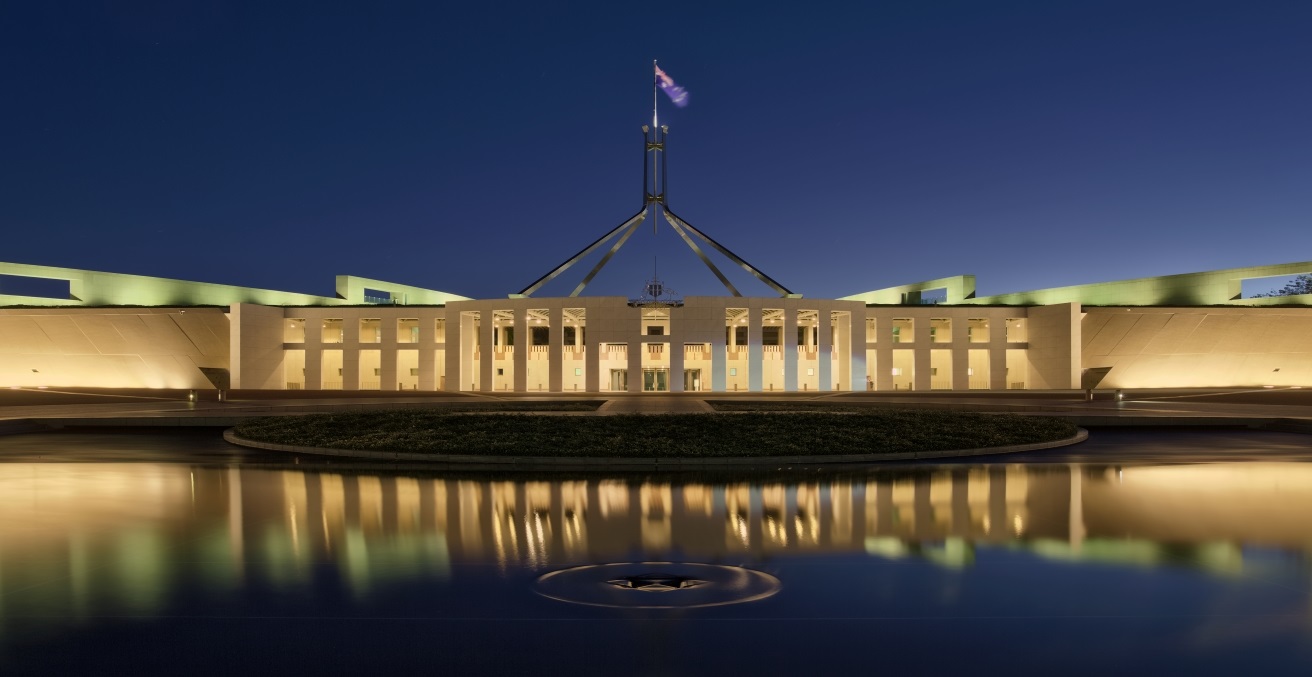
Australia is about to take on the role of the COP31 President of Negotiations, and that gives Canberra a distinctive influence over a definitional question the Pacific has never resolved for itself – driven not by coercion, but by quiet omission. Left unaddressed, that’s exactly what will happen. The definition will be set by the frameworks Australia is helping build, not by a Pacific position it has helped surface. The question is genuinely open: Pacific views on nuclear are diverse. Fiji’s government has already moved to acquire a Micro Modular Reactor for its own vessel, named the Ocean of Peace, signalling real openness to nuclear-adjacent technology at the national level. Concurrently, Pacific Civil Society has taken the opposite direction explicitly. Its statement to the Port Vila II PSIDS Ministerial Dialogue this April names nuclear power directly as a ‘false solution’ that any just transition must exclude. Both positions exist within the region. What doesn’t exist is a forum where they get reconciled into one Pacific voice. The region deserves the space to articulate its own stance rather than allowing a default position to solidify.
A region this loud on climate has gone silent on the question that is about to decide what ‘clean’ even means for it.
The Pacific has consistently asked to define its own future. That includes defining what clean energy means for the Blue Pacific. Australia will either be the reason that question finally gets asked; or the reason it gets settled without the region in the room.
Debomita Dasgupta is an independent policy researcher based in Melbourne, working on Indo-Pacific governance and climate security. Her writing has appeared in the Lowy Institute’s The Interpreter and the Devpolicy Blog (ANU).
This article is published under a Creative Commons License and may be republished with attribution.