Beyond serving as the basis of the global counter-terrorism architecture, the UN Global Counter-Terrorism Strategy calls for commitments to human rights, the rule of law, civil society engagement, and gender sensitivity. It positions human rights as fundamental and the basis for effective counter-terrorism activities.
The upcoming ninth review of the UN Global Counter-Terrorism Strategy is an opportunity for the international community to ensure human rights are protected against the rise of state-sanctioned counter-terrorism abuses.
This year is the twentieth anniversary of the UN Global Counter-Terrorism Strategy (GCTS). The GCTS was adopted by the United Nations General Assembly in 2006 and was designed to align UN member states’ efforts at counter-terrorism around four Pillars:
- Measures to address the conditions conducive to the spread of terrorism.
- Measures to prevent and combat terrorism.
- Measures to build States’ capacity to prevent and combat terrorism and to strengthen the role of the United Nations system in that regard.
- Measures to ensure respect for human rights for all and the rule of law as the fundamental basis of the fight against terrorism.
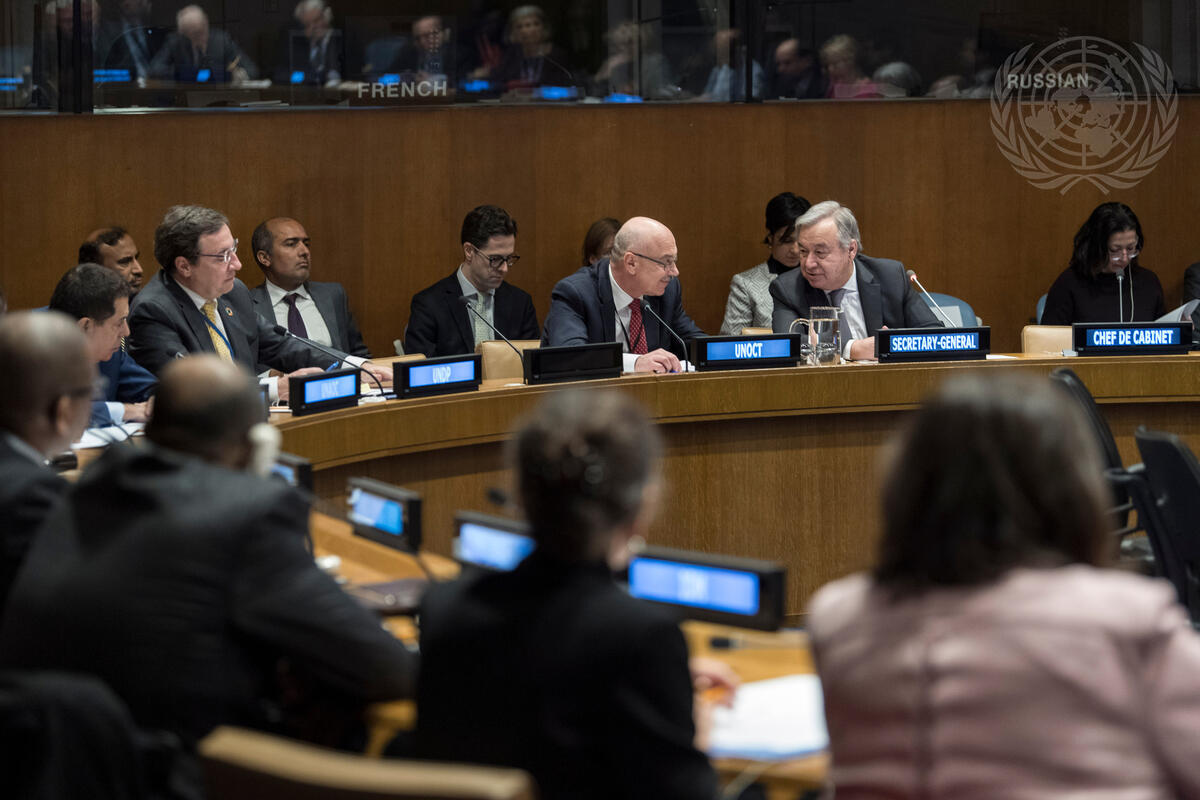
Multiple entities have been created within the UN to support the implementation of the GCTF. This includes the United Nations Office of Counter-Terrorism (UNOCT), which focuses on building the UN’s capacity to support Member States in implementing the GCTS. The UNOCT also serves as the Secretariat of the UN Global Counter-Terrorism Coordination Compact (successor to the counter-terrorism implementation task force, or CTITF), the agreed framework between the Secretary-General and the heads of over 40 United Nations entities, aimed at ensuring the coordinated implementation of the four pillars of the GCTS. Through these mechanisms, the GCTS has a global impact on international counter-terrorism efforts.
Beyond serving as the basis of the global counter-terrorism architecture, the GCTS calls for commitments to human rights, the rule of law, civil society engagement, and gender sensitivity. It positions human rights as fundamental and the basis for effective counter-terrorism activities. This provided a much-needed counterpoint to dominant narratives from the early 2000s that stressed the existential threat posed by terrorism and argued that it justified human rights abuses such as state violence, torture, arbitrary detention and limiting civil liberties. As the then UN Secretary-General Kofi Annan noted at the launch of the GCTS, “[e]ffective count terrorism measures and the protection of human rights are not conflicting goals, but complementary and mutually reinforcing ones.”
To ensure its relevance, the GCTS is a living document. It is updated every two years by the UN General Assembly, following a review process, to ensure it can adapt to emerging trends and new threats. The previous eight reviews have seen the GCTS shift from a more state-centric document to one advocating a more holistic and preventive approach to counter-terrorism. It evolved to integrate gender perspectives, expanded to include preventing violent extremism and tackling underlying factors, and shifted to include the role of technology and online radicalisation, among other things. Each of these changes has arguably made the strategy more relevant and fit for purpose.
However, consensus around the content and approaches promoted by the GCTS has become increasingly fraught. A divisive eighth review in June 2023 saw renewed debates around the primacy of state security over the human rights of individuals, with some states pushing for more permissive approaches. Negotiations eventually led to a strained consensus that allowed a ‘technical rollover’ of the strategy rather than any new major changes. Australia had advocated for stronger frameworks for understanding the gender dimension of terrorism and expressed disappointment when this language was not adopted. India was so dissatisfied with the process that it rebuked some of its fellow member states, which it saw as “motivated by narrow political agendas”, and dissociated itself from the result.
The ninth review of the GCTS is expected to be equally, if not more, divisive. It will likely become a platform for renewed debates on the use of new technologies by terrorists and states in ways that endanger human rights, the instrumentalisation of women in counter-terrorism, shrinking space for civil society, and lack of accountability mechanisms – particularly around new technologies. The potential outcome is the rolling back of the promoted ‘whole-of-society’ approach and a return to more kinetic forms of counter-terrorism.
In a security climate of growing uncertainty, it is important that the ninth review of the GCTS results in a renewed international consensus that efforts to combat terrorism should be rooted in human rights. As Ban Ki-moon, then Secretary-General, noted in 2016 at the presentation of the UN’s new Plan of Action to Prevent Violent Extremism: “Many years of experience have proven that short-sighted policies, failed leadership, heavy-handed approaches, a single-minded focus only on security measures and an utter disregard for human rights have often made things worse.”
Ben Saul, Special Rapporteur on the promotion and protection of human rights and fundamental freedoms while countering terrorism, made 17 recommendations for the ninth review, while a recent SaferWorld report made five. Both called for transparency and for more oversight and accountability mechanisms for the UN and member states. The UN Secretary-General’s report on the implementation of the Strategy suggested that the ninth review consider strengthening multilateral responses to terrorism and keep emphasis on whole-of-government and whole-of-society approaches. All three of these documents stressed the need to prioritise human rights and the rule of law, to adopt a thoughtful, rights-based approach to engaging new and emerging technologies in counter-terrorism, and to remain committed to gender equality.
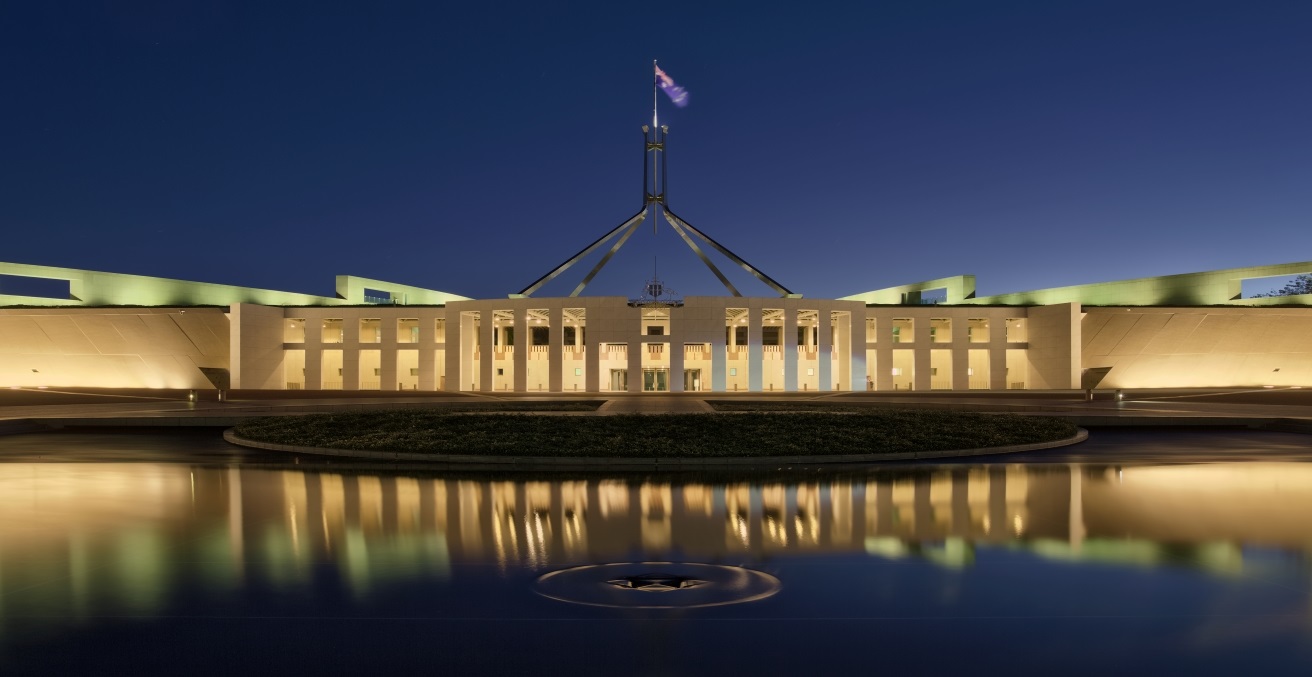
Australia is well placed to lead by example and play a key role in this debate. Australia’s Human Rights (Parliamentary Scrutiny) Act 2011 requires all bills and legislative instruments to be examined for compatibility with human rights. Australia also has an Independent National Security Legislation Monitor who reviews national security and counter-terrorism laws to ensure they are reasonable, necessary and proportionate. Australia also launched a new Counter-Terrorism and Violent Extremism Strategy in 2025 that focuses on a whole-of-society approach to preventing terrorism. During the eighth review, Australia and Japan led discussions on new technologies and counter-terrorism, including co-organising a side event focused on the use of generative AI for terrorist purposes. For the upcoming ninth review, Australia could add its voice to these important debates by sharing its own experiences addressing terrorism through a human rights-first framework.
Dr Shannon Zimmerman is the Deputy President of Women in International Security – Australia Inc. (WIIS-A) and a Senior Lecturer in Strategic Studies at Deakin University. Her research investigates the peace operations, specifically the protection of civilians in conflict environments characterised by asymmetric threats. She also studies misogyny-motivated terrorism, looking at the online groups in the “Manosphere”.
This blog is part of a joint series by AIIA and WIIS-A that aims to elevate the work of women and gender-diverse individuals in international affairs.
This article is published under a Creative Commons License and may be republished with attribution.