Melbourne hosted a World Expo in 1880, attracting 1.3 million visitors (more than five times its total population), while Brisbane hosted Expo 88 more than a century later, in 1988. Both events left a civic and diplomatic imprint. That makes Australia’s apparent absence from Expo 2027 Belgrade problematic and points to a void in Australia’s contemporary public diplomacy.
Expo 2027 and Why Australia Should Care
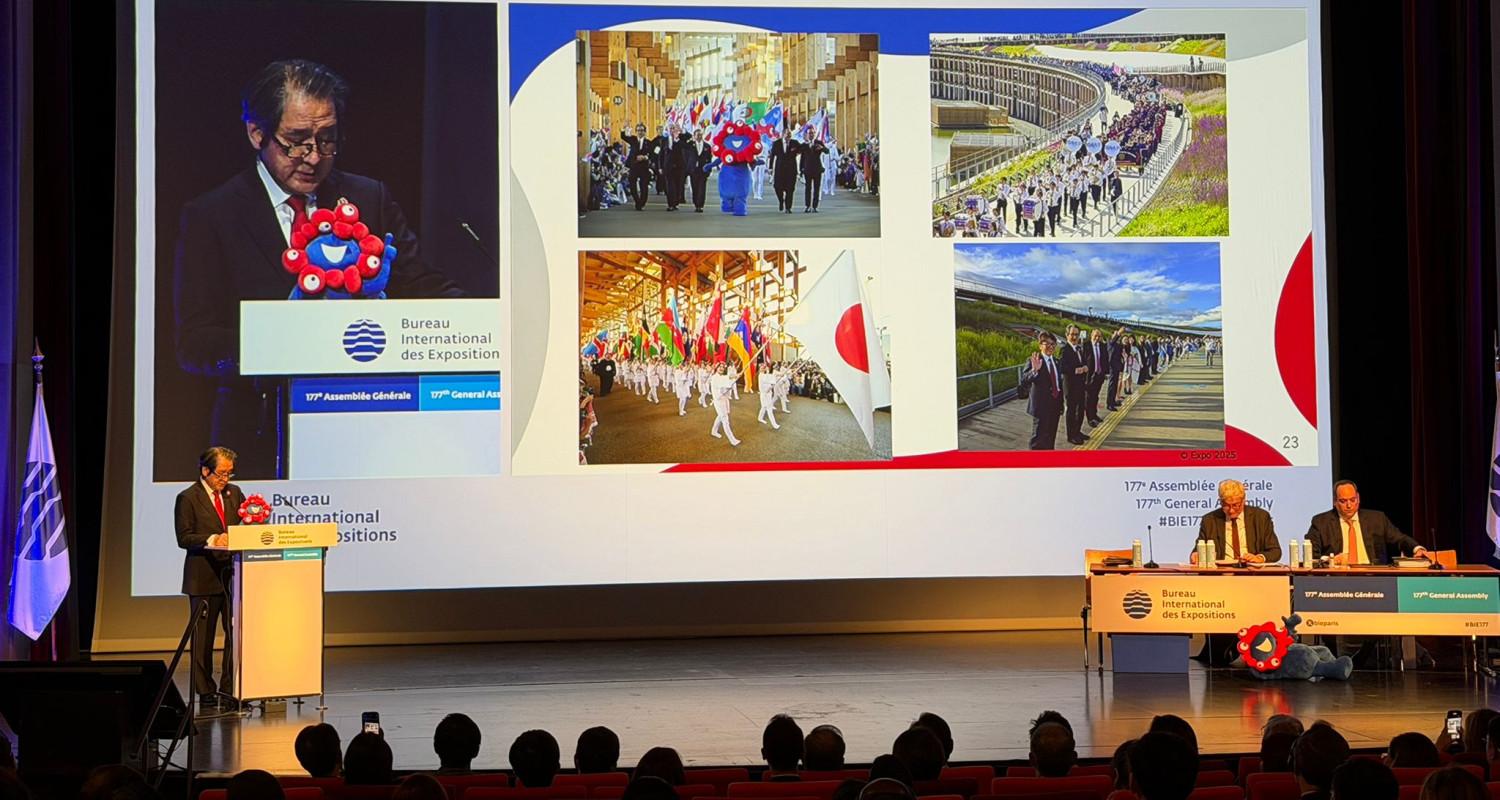
The Bureau International des Expositions (BIE) is the intergovernmental organisation that regulates major international exhibitions. Established under the 1928 Paris Convention, it now has 184 member states. Australia is not currently among them. That is striking for a country that often presents itself as a multilateral middle power invested in rules, institutions and international networks.
The Expo system has also changed. World Expos remain the largest format, lasting up to six months and built around broad universal themes. Specialised Expos are smaller, shorter and more focused. They run for up to three months, are held between World Expos, and are limited to a 25-hectare site. In other words, they are not designed to replicate the scale or expense of a universal World Expo.
Expo 2027 Belgrade will be one of the Specialised Expos. It will run from 15 May to 15 August 2027 under the theme “Play for Humanity: Sport and Music for All.” The BIE describes it as the first Specialised Expo in the Western Balkans, with more than four million visitors and more than 8,000 events expected across the 93-day programme. As of June 2026, the official participant list records 139 international participants, excluding Australia, which has not been a member state for the past decade.
Serbia is Not Treating This As a Minor Event
Serbia is treating EXPO 2027 as a national project of considerable scale. In 2024, the Serbian Government announced a €17.8 billion investment programme connected to its “Leap into the Future: Serbia EXPO 2027” agenda, covering Expo 2027 and a wider set of associated infrastructure and development projects. President Aleksandar Vučić described the amount as equal to Serbia’s annual state budget. It will cost the taxpayers of Serbia more than the Sydney Olympic Games and Brisbane’s Commonwealth Games combined.
That scale and the perceived lack of transparency in public procurement attracted scrutiny both inside Serbia and from the European Parliament. The Serbian Fiscal Council has warned that the country’s public investment programme is large and that the budgetary strategy envisages sizeable deficits in the coming years. Serbian financial reporting also notes that Expo-related capital expenditure in 2025 and 2026 is expected to exceed the combined annual investment spending on education and environmental protection.
Osaka Was Justified, But It Should Not Be The Only Model
Australia’s decision to invest heavily in Expo 2025 Osaka made sense. Japan is one of Australia’s most important economic and security partners. In 2025, Japan was Australia’s third-largest trading partner, with two-way goods and services trade valued at A$97.5 billion.
The scale of Australia’s Osaka commitment reflected that relationship.
The Australian Parliament’s Public Works Committee recorded an estimated A$59.8 million construction and decommissioning cost for the pavilion, with up to A$100 million over four years allocated for Australia’s overall participation. The stated objectives included deepening ties with Japan, creating opportunities for Australian business, and projecting a modern and diverse Australia.
That was a sound investment in a central bilateral relationship. But Belgrade should not be judged against Osaka’s price tag. Serbia is not Japan, but that is precisely the point. A Specialised Expo in Belgrade requires a more disciplined question: can Australia afford to be absent altogether?
The 2015 Withdrawal From BIE Deserves Another Look.
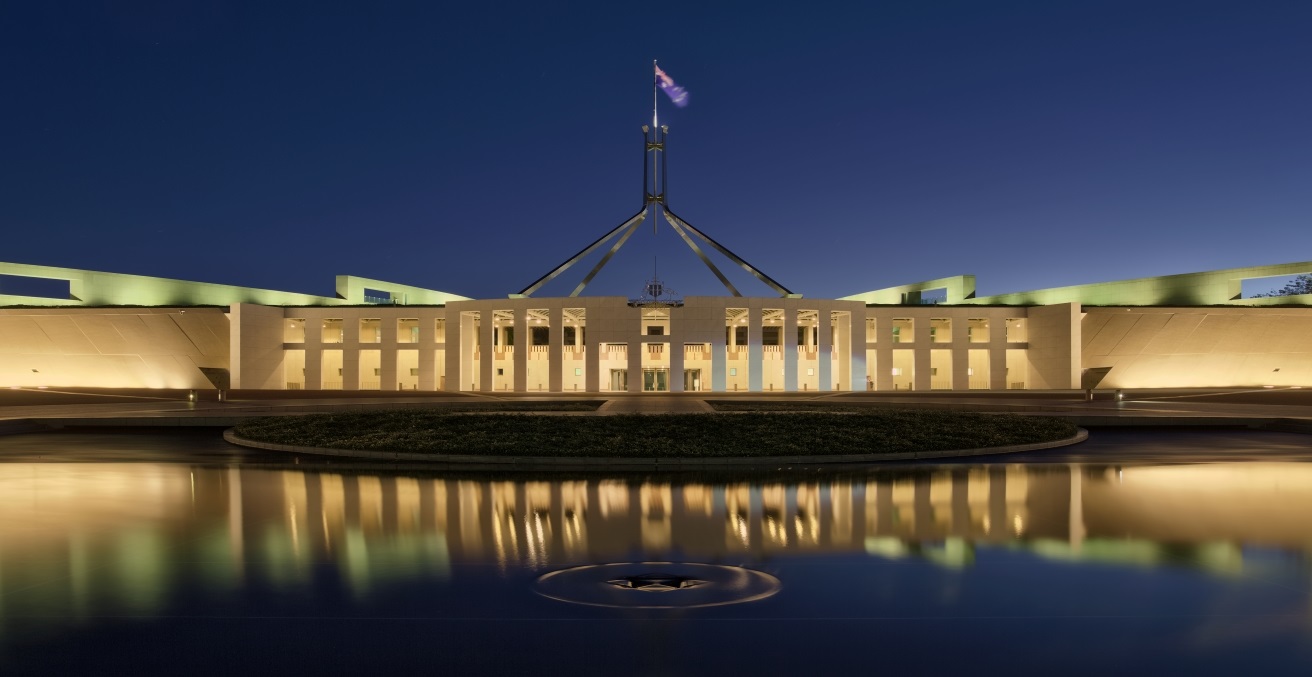
Part of the answer lies in a contested decision made nearly a decade ago. In 2015, Australia moved to denounce the Convention Relating to International Exhibitions, the treaty underpinning the BIE. This happened in the same period that the federal arts portfolio was disrupted by the transfer of A$104.7 million over four years from the Australia Council to the newly created National Programme for Excellence in the Arts. That arts funding decision was heavily criticised at the time for weakening the arm’s-length funding model and creating uncertainty for individual artists and small- to medium-sized arts organisations.
The decision to leave the BIE framework received far less public attention, but it deserves renewed scrutiny. It was presented as a matter of administrative economy. Yet the treaty material recorded that withdrawal would save approximately A$25,000 per year in BIE membership fees. For a G20 economy, that is a modest saving to set against the loss of a formal seat in the institution that regulates the world’s major Expo system.
The consultation process also appears to have been too narrow for a decision with cultural, trade and diplomatic consequences. The Joint Standing Committee on Treaties invited submissions by 28 August 2015 and tabled its report on 19 October 2015, leaving little time for a broad national conversation. According to the National Interest Analysis material, the state consultation record was mixed rather than decisive. South Australia and Western Australia supported leaving the Convention, while New South Wales and Victoria supported remaining in it. Other states and territories did not provide a substantive recorded view. That was hardly an overwhelming national mandate.
Rejoining would be straightforward, as Article 35 of the Convention allows states to accede. Australia should now give that option serious consideration. Rejoining the BIE would not require Canberra to spend heavily at every Expo. It would simply put Australia back in the room for a small annual membership fee of $25,000, which is at least 10 times less than Australia’s annual funding for our artists’ participation in the Eurovision Song Contest.
The Regional Contrast is Awkward
Instead of viewing Belgrade 2027 as a choice between another A$100 million pavilion and no presence, Canberra could support a leaner model. One option would be a modest Australian presence linked to a co-funded Asia-Pacific or Pacific platform. Such a platform could include Pacific partners already attending, Australian state governments, universities, sports organisations, First Nations cultural institutions, creative industries and private sponsors. It would enable Australia to amplify Pacific voices and restore its visibility on a major international stage.
Why Belgrade Matters
The Balkans are not usually central to Australian foreign policy, although over one million Australians are of Balkan origin. Australia has long-standing communities with roots in Serbia, Croatia, Bosnia and Herzegovina, North Macedonia, Montenegro, Slovenia, Greece and Türkiye. Those communities are part of Australia’s national story and provide natural bridges to a part of Europe that is often overlooked in Canberra.
The official Belgrade 2027 participant list includes Pacific Island countries such as Fiji, Nauru, Vanuatu, the Solomon Islands, Kiribati, Palau and Micronesia. Fiji is also listed as a BIE member state. If Fiji can maintain its BIE membership and participate in Belgrade, it is difficult to argue that Australia lacks the administrative or financial capacity to do the same. The issue is not capacity but a question of priority.
Australia made a strong and necessary statement in Osaka. It should not fall silent in Belgrade.
Dr Nina Markovic Khaze (PhD Pol. Sc., ANU) is a sessional academic at Macquarie University, political analyst for SBS radio and Director of Communications at Solve Law, Manly. She was previously Vice-President of the AIIA’s ACT Branch, and senior parliamentary researcher for Europe and Middle East.
This article is published under a Creative Commons License and may be republished with attribution.