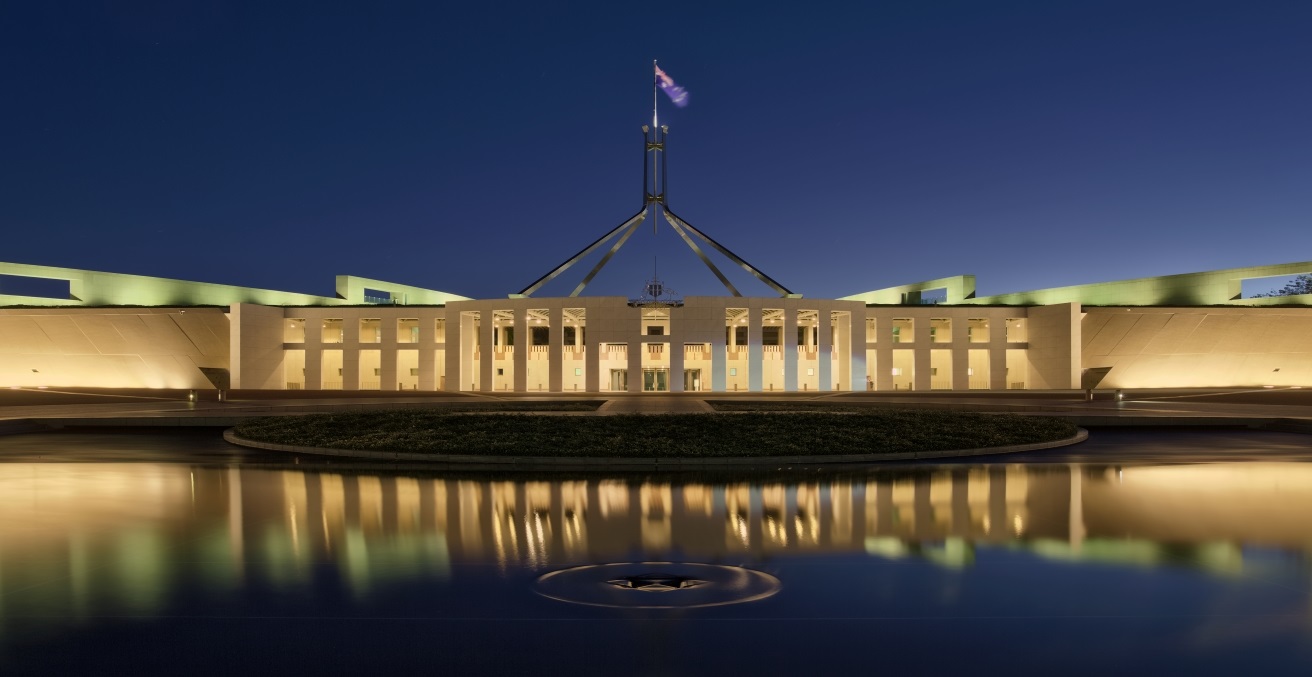
The upcoming official visit of Costa Rica’s Minister of Foreign Affairs and Worship, Manuel Tovar, to Australia from June 15, 2026, marks a propitious strategic moment for Australian foreign policy. Minister Tovar’s visit, headlined by his keynote address at the flagship Latitudes of Opportunity: Australia–Latin America Forum 2026 in Melbourne on June 16, offers Canberra a rare strategic window. As Australia navigates an increasingly uncertain global environment, this high-level visit underscores an undeniable reality: the time has arrived for systematic, sustained diplomatic engagement to diversify Australia’s alliances with like-minded democracies across the Pacific.
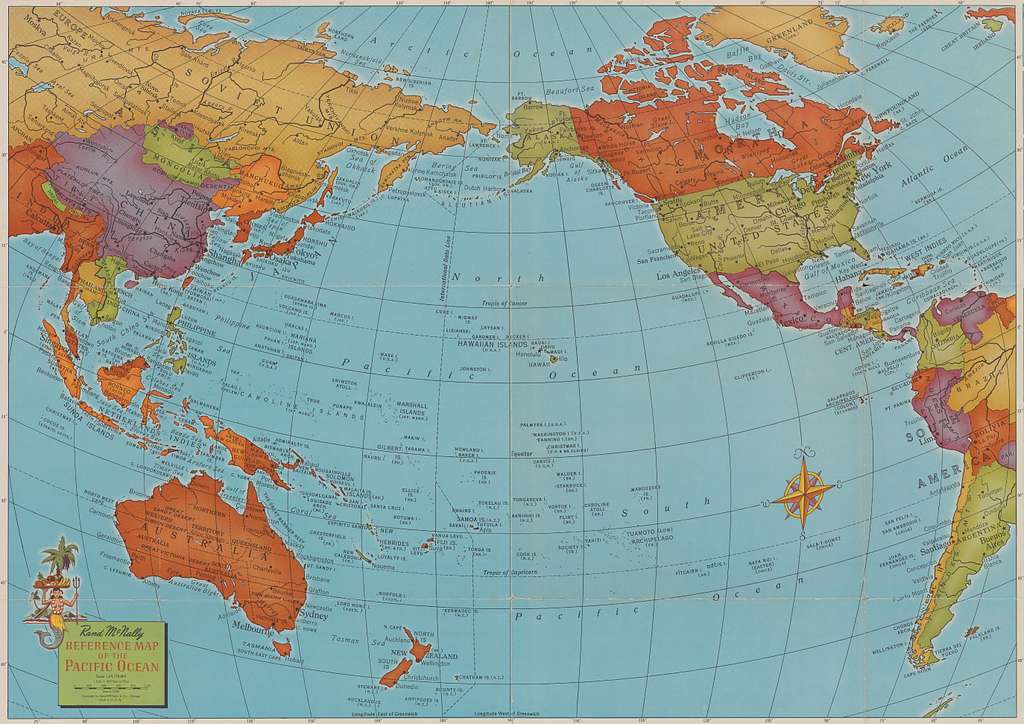
For too long, Australian strategic doctrine has treated Latin America as peripheral, a distant theatre, largely absent from the calculus of national interest. If Canberra’s primary structural focus remains firmly anchored in the Indo-Pacific, it must reckon with a geographical truth that tends to escape the analytical gaze: Latin America constitutes the eastern boundary of that very same ocean. By extending its conceptual horizons westward across the Pacific, Australia can forge deep, resilient partnerships with stable, rules-based economies that share its commitment to multilateralism, climate action, human rights, and democratic governance.
The Bilateral Agenda: CPTPP and Beyond
Minister Tovar arrives in Canberra and Melbourne with a clear, high-stakes diplomatic and economic agenda. As the former Minister of Foreign Trade, he successfully advanced Costa Rica’s accession to the Organisation for Economic Co-operation and Development (OECD), and now San José will make the final push into the Comprehensive and Progressive Agreement for Trans-Pacific Partnership (CPTPP). Costa Rica’s formal entry into the trade pact stands as a centrepiece of these bilateral discussions. Australia’s support for this accession is not merely an act of diplomatic goodwill. It reinforces the CPTPP’s foundational role as the gold-standard framework for open, rules-based commerce across the Pacific basin.
| COSTA RICA – AUSTRALIA: KEY FACTS | |
| Diplomatic Relations | Established 1974 |
| AUS–Central America Trade | Costa Rica is Australia’s 2nd largest partner in the sub-region |
| Multinationals in Costa Rica | Over 300 |
| CPTPP Status | Accession Finalisation |
The bilateral agenda rests on several mutually reinforcing pillars:
- Trade Integration: Advancing coherent standards in digital trade, services, and agricultural technology.
- Multilateral Coordination: Aligning positions in international forums on maritime conservation, global trade rules, and many others.
- Sustainable Governance: Co-hosting international initiatives, building on joint efforts within the UN Ocean Conference frameworks.
Costa Rica represents an exceptionally stable and business-friendly environment within Central America, hosting over 300 multinational corporations and ranking as Australia’s second-largest trading partner in the sub-region. A safe destination for Australian new investments.
Latitudes of Opportunity: Unlocking Commercial Synergies
On June 16, Minister Tovar will join more than 250 senior leaders, policy experts, global investors, and First Nations representatives at Melbourne Town Hall for the Latitudes of Opportunity Forum. Organised by the Australia–Latin America Business Council (ALABC) and supported directly by the Department of Foreign Affairs and Trade (DFAT) through the Council on Australia Latin America Relations (COALAR), the forum addresses three fields of transformative potential:
The Energy Transition and Critical Minerals. Latin America holds approximately 60 percent of the world’s identified lithium resources, concentrated primarily within the “Lithium Triangle” of Argentina, Chile, and Bolivia. As a global leader in Mining Equipment, Technology, and Services (METS), Australia possesses the industrial expertise to help these economies develop their resources sustainably and efficiently. This stands as a partnership that serves both parties’ long-term economic security.
Renewable Energy Infrastructure. Both regions are resource-rich democracies with complementary capabilities in clean energy. Australian infrastructure funds and renewable energy firms are increasingly viewing Latin America, including Central America’s green grid pioneers such as Costa Rica, as fertile ground for long-term capital deployment.
Agrifood and Environmental Sustainability. As major agricultural exporters confronting parallel climate pressures, Australia and Costa Rica share a natural interest in smart-farming technologies, supply chain resilience, and nature-based carbon sequestration strategies.
Expanding Australia’s Strategic Lens
Australia cannot afford overdependence on a narrow set of trading partners or geographically concentrated supply chains. True strategic diversification requires building ties with countries that share Australia’s foundational values, not merely its immediate neighbourhood. Costa Rica stands out as an exemplary candidate. Boasting an unbroken democratic tradition since 1948 and having abolished its military in 1949, the country remains a regional pillar of institutional stability, human rights, and environmental leadership.
At a moment when global governance architectures are experiencing severe strain, partnerships between capable, value-aligned democracies like Australia and Costa Rica carry weight that transcends bilateral trade figures. They constitute, collectively, a defence of the rules-based international order. By engaging more actively with Latin American partners, Australia moves beyond a reactive diplomatic posture to build a proactive, forward-looking network of trans-Pacific alliances capable of addressing shared challenges, from climate change mitigation to the security of supply chains for advanced manufacturing.
Reinvigorating Academic Infrastructure and Research
Any meaningful, sustained diplomatic pivot demands robust intellectual infrastructure to underpin it. Historically, Latin American studies within Australian universities have suffered from inconsistent funding and limited institutional priority. This gap is beginning to close. The federal government’s COALAR grant programme for 2025–2026 has deliberately prioritised education, research, and sustainability frameworks. A prime example is the Australia–Central America Water Innovation and Cultural Exchange, a COALAR-funded initiative connecting researchers and policymakers from Costa Rica, Panama, El Salvador, and Guatemala with Australian water management and First Nations experts.
Concurrently, the international academic landscape is reorienting toward trans-Pacific connections. The Latin American Studies Association (LASA) Oceania-Asia branch has instituted dedicated tracks focusing on “Intellectual Encounters” and “Migration and Transnational Communities” linking Latin America with Oceania. Further institutional developments in this space are expected to be announced in Canberra in the near term.
A Blueprint for Future Engagement
Minister Manuel Tovar’s arrival on June 15 must not be treated as an isolated diplomatic courtesy, a box to be ticked in the calendar of international bilateral visits. It should serve, rather, as the opening movement of a more ambitious, permanent Australian strategy toward the Americas. Forging closer ties with Costa Rica offers Canberra an ideal entry point into a broader, highly stable network of relationships across Latin America.
To convert this short-term momentum into permanent strategic depth, Australia should pursue a clear path forward:
- Commit to Regular High-Level Exchanges: Establish consistent ministerial-level visits to build genuine policy continuity.
- Expand Institutional Support for Research: Boost funding for trans-Pacific policy dialogues and regional studies to ensure Australian industry leaders and investors have access to first-rate expertise. This includes new visionary academic projects in development -to be announced soon- to advance Latin American studies and research.
- Leverage the CPTPP Architecture: Utilise Costa Rica’s upcoming accession to actively lower trade barriers and diversify economic portfolios away from traditional geopolitical choke points.
The Pacific Ocean should no longer be perceived as the barrier that separates Australia from Latin America. It is, and always has been, a shared space of mutual opportunity, maritime responsibility, and strategic cooperation. Welcoming Minister Tovar to Canberra and Melbourne is a meaningful step toward acknowledging that Australia’s horizons extend well beyond its traditional borders, and that the like-minded world it seeks has been waiting, patiently, on the other side of the ocean all along.
Arturo Cabrera-Hidalgo is the former Ambassador of Ecuador to Australia, New Zealand and Fiji; former Deputy Foreign Minister of Ecuador, and Permanent Representative to the United Nations in Geneva. He is currently an Honorary Professor at the Australian Catholic University, and Professor at the University of Canberra specialised in Latin American Studies, trans-Pacific relations, and International Cooperation Regimes.
This article is published under a Creative Commons license and may be republished with attribution.