This week in Australian foreign affairs: Foreign Minister Penny Wong issues a statement on technology-facilitated Gender-Based Violence, announces an Israel-Palestine Peace Fund, issues travel advice for the Middle East, and more.
On June 11, Foreign Minister Penny Wong alongside the Foreign Secretary of the United Kingdom issued a Joint Statement on Technology-Facilitated Gender-Based Violence. The statement reaffirmed both nations’ commitments to ending all forms of gendered violence, expanding on their launching of the new International Coalition to End Violence against Women and Girls in May. It further emphasised gender-based violence facilitated by technology – including the proliferation of misogynistic content that normalises violence, the coordination of violence, and the undermining of democratic institutions that protect women’s rights – as a national security threat.
The same day, Minister Wong with Foreign Ministers from the UK and Canada announced a new multi-donor initiative, called the International Peace Fund for Israel and Palestine. The fund will support peacebuilding efforts in Israel and Palestine, investing in programmes that support dialogue, grassroots engagement, reduced division, and a two-state solution. Through the initiative each country has pledged an initial investment equivalent to GBP £1 million over the next three years.
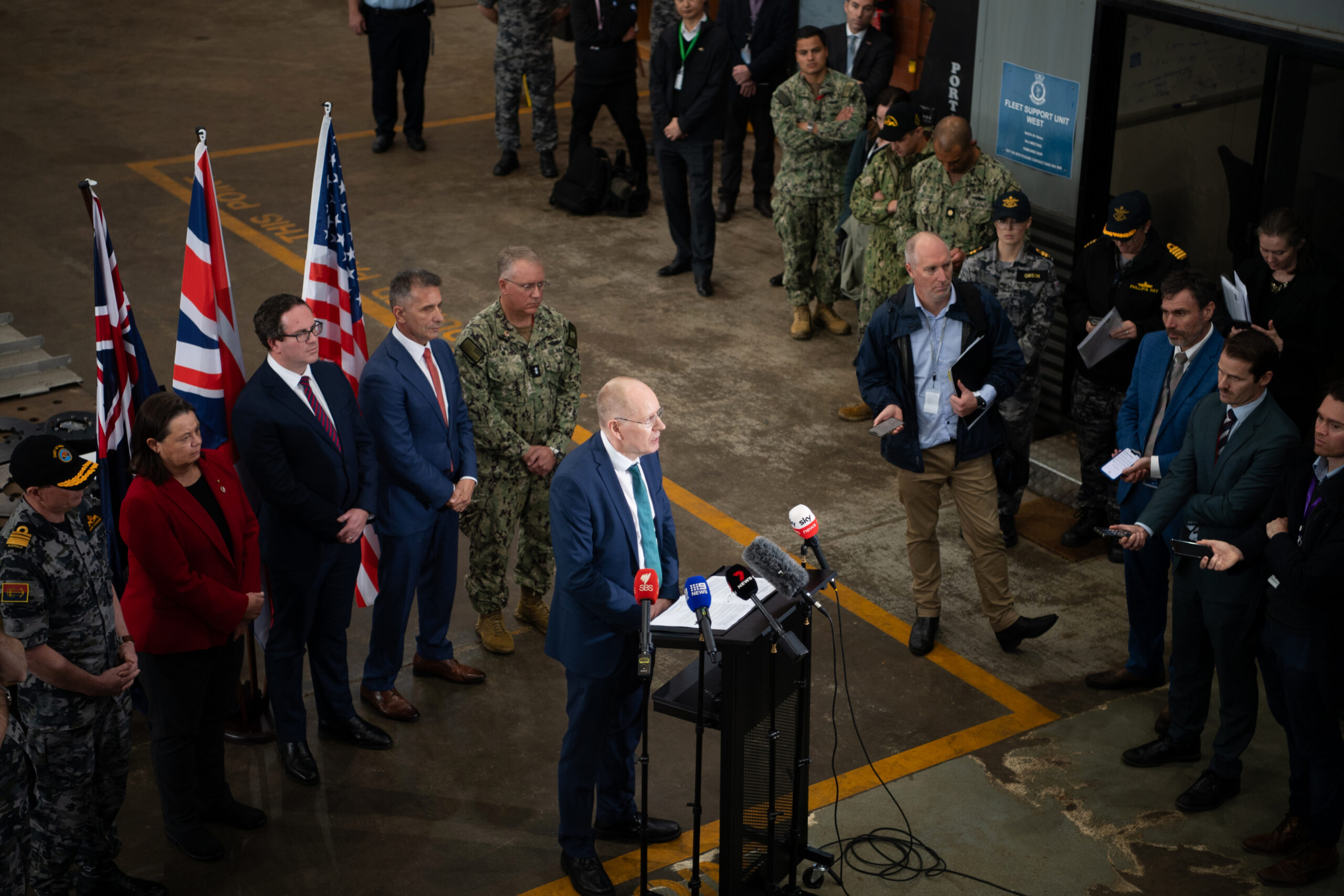
On June 12, the Royal Australian Navy announced their third Regional Deployment Presence for 2026. The HMAS Sydney set sail from Fleet Base East in Sydney on Tuesday to participate in Exercise Rim of the Pacific 2026 next month in the United States, before joining allies and allies for training activities and engagements in the Indo-Pacific. The deployment reflects Australia’s commitment as a reliable security partner and maintaining its presence in the region.
This was followed up by an announcement that the Royal Air Force’s largest international exercise, Exercise Pitch Black, will be returning to the Northern Territory from mid July to early August this year. The exercise provides the opportunity for over 100 aircraft and personnel from 19 partner and allied countries – including Brunei, the US, New Zealand, Japan, Indonesia, and more – to strengthen both regional and global interoperability.
At the start of this week, Prime Minister Anthony Albanese and the Foreign Ministry’s office welcomed the agreement achieved between the US and Iran. The statement reiterated Australia’s continued support of the reopening of the Strait Hormuz, it also commends efforts by mediating actors in the region, such as Pakistan, Qatar, Saudi Arabia, Turkiye, and more.
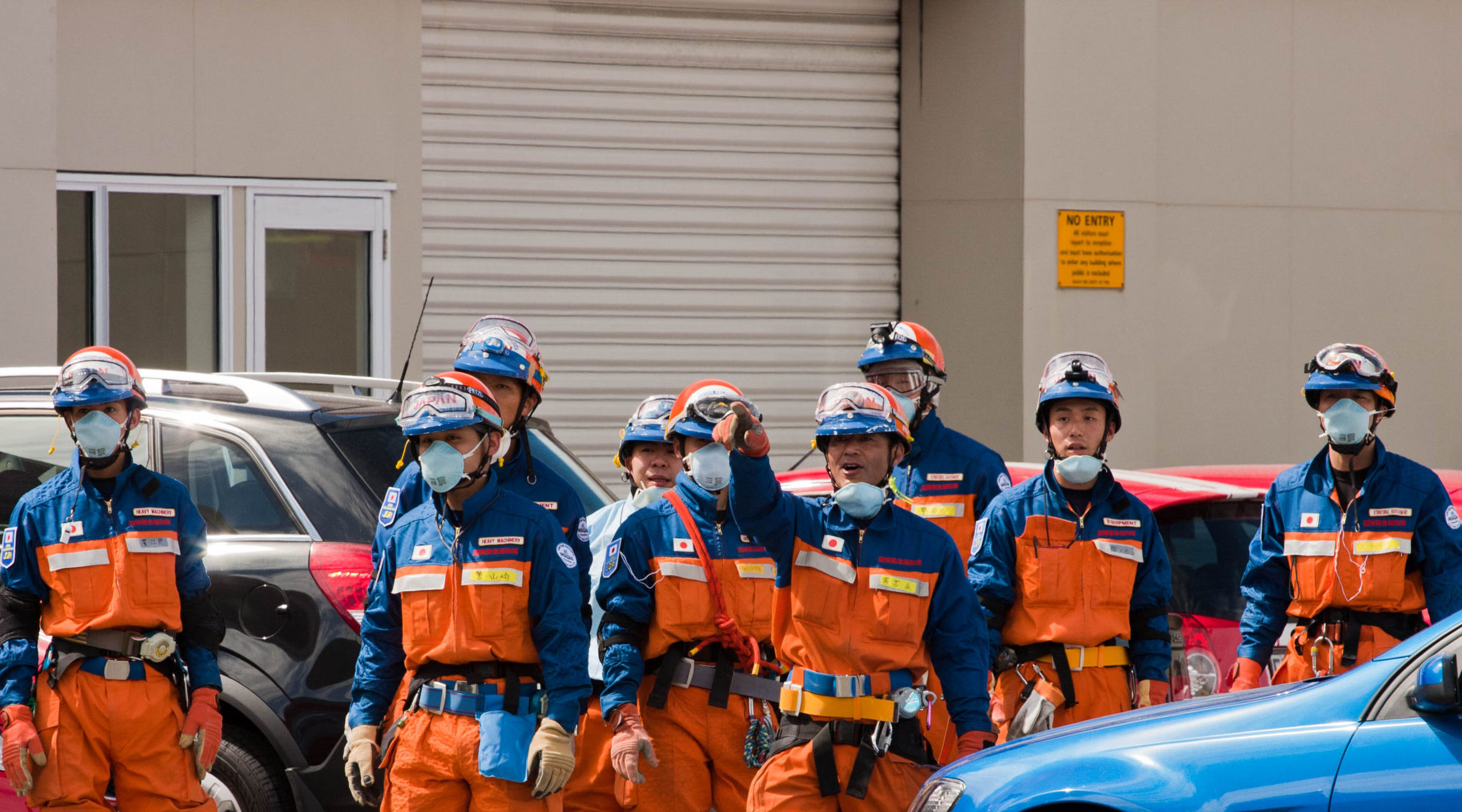
On June 16, Japan and Australia celebrated the 50th anniversary of the two countries’ Basic Treaty of Friendship and Cooperation. The milestone is also marked by the announcement that the Japan-Australia Foundation – Australia’s oldest cultural centre – has been awarded grants for three projects that work to further deepen ties between the nations.
The following day, the Foreign Minister and the Assistant Minister for Foreign Affairs and Trade announced new travel advice for the Middle East. The Australian government has now lowered travel advice for the UAE, Kuwait, Bahrain, Qatar, and Israel from a Level 4 ‘Do Not Travel’ to a Level 3 ‘Reconsider your need to travel’. The change follows the recent agreement achieved between the US and Iran. While the agreement is a necessary step forward to bringing stability in the region, the Foreign Minister advises that the security situation is still precarious and Australians should continue to reconsider all non-essential travel, including non-essential transits, in the region.
This article is published under a Creative Commons License and may be republished with attribution.