Nuclear energy may very well not arrive in Australia through an energy policy revolution. However, AUKUS submarines, which are scheduled to enter service over the next decade, could quietly transform public attitudes towards civilian nuclear power.
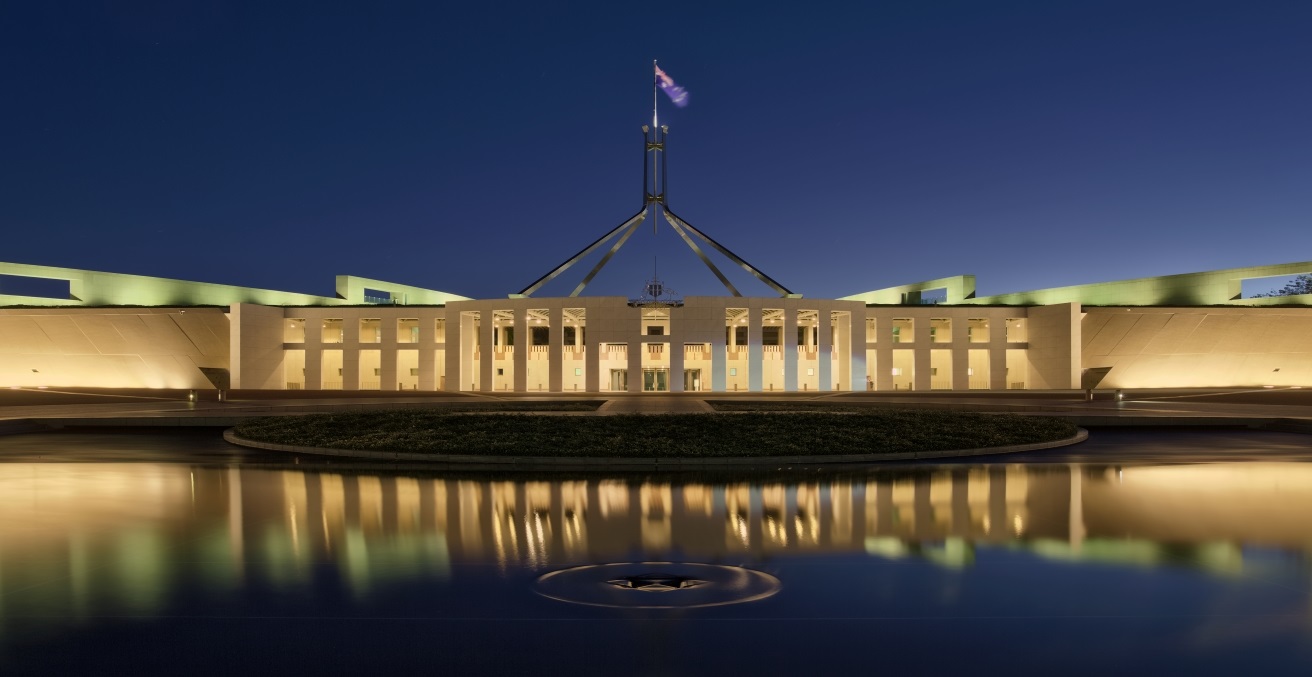
Australia holds over a third of the world’s identified uranium resources, it has also announced a historic expansion of clean generation capacity over the next 25 years, alongside its commitment to operating nuclear-powered submarines under the AUKUS agreement from the 2030s. Yet, Australia remains one of the very few countries with a ban on adopting civil nuclear power, supported by two federal legislation acts: the Australian Radiation Protection and Nuclear Safety Act 1998 (ARPNS Act) and the Environment Protection and Biodiversity Conservation Act 1999 (EPBC Act). Canberra is, in effect, building nuclear expertise for the military while federally forbidding nuclear energy generation from being used to supplement the electricity grid. It would be interesting to see whether a defence programme could end up doing more to shift public attitudes than two decades of energy policy and campaigning have managed.
There are three barriers to Australia’s nuclear energy policy that matter more than just political ideology. The first is legal, i.e., nuclear generation for electricity is banned federally, and states like Queensland, Victoria, and New South Wales have additional state-level prohibitions, meaning any reversal would require coordinated action across multiple parliaments, not just Canberra. The second is time; Labor’s 82% renewable scaling target beat the Coalition’s pro-nuclear plan in 2025. Even the Coalition’s modelling puts the first nuclear reactor online no earlier than 2036. This date and target may sit uneasily against near-term emissions commitments. Industry analyses go further, warning that the mismatch between retiring coal capacity and any nuclear timelines creates its own grid-reliability risk through the mid-2030s, regardless of which policy eventually prevails.
The third barrier is a capability mismatch. Australia is home to the world’s largest uranium reserve and operates a research reactor, yet it has no regulator with jurisdiction over nuclear power generation, no trained workforce calibrated for a commercial reactor programme, and no supply chain for reactor fuel or components. This gap could take at least 15 years to close, and this timeline has barely changed since the Switkowski review made a similar projection in 2006. Under these three barriers lies a persistent constraint of varying public support. Public support dwindles considerably once costs and timelines are attached to a specific plan, which is why the political will that is needed to clear the first two barriers rarely survives when an actual proposal is put forward.
Two pressures keep the nuclear argument alive. The first is a supply gap. Rystad Energy projects the 82 percent renewables target is realistically achievable at around 65 percent, which leaves a gap that is large enough to revive the case for firm baseload generation. The second is emerging nuclear technology. Proponents now point to Small Modular Reactors, which offer smaller footprints and shorter build times than conventional plants. This could theoretically slot into the retiring coal sites without major grid investment. The Australian Academy of Technological Sciences and Engineering expressed scepticism about the adoption of Small Modular Reactors (SMRs), noting that no commercial SMR model is operational in the OECD. But a 2024 Parliamentary Select Committee on Nuclear Energy drew more than 800 public submissions, evidence that the question remains live outside Canberra and has outlived technological readiness.
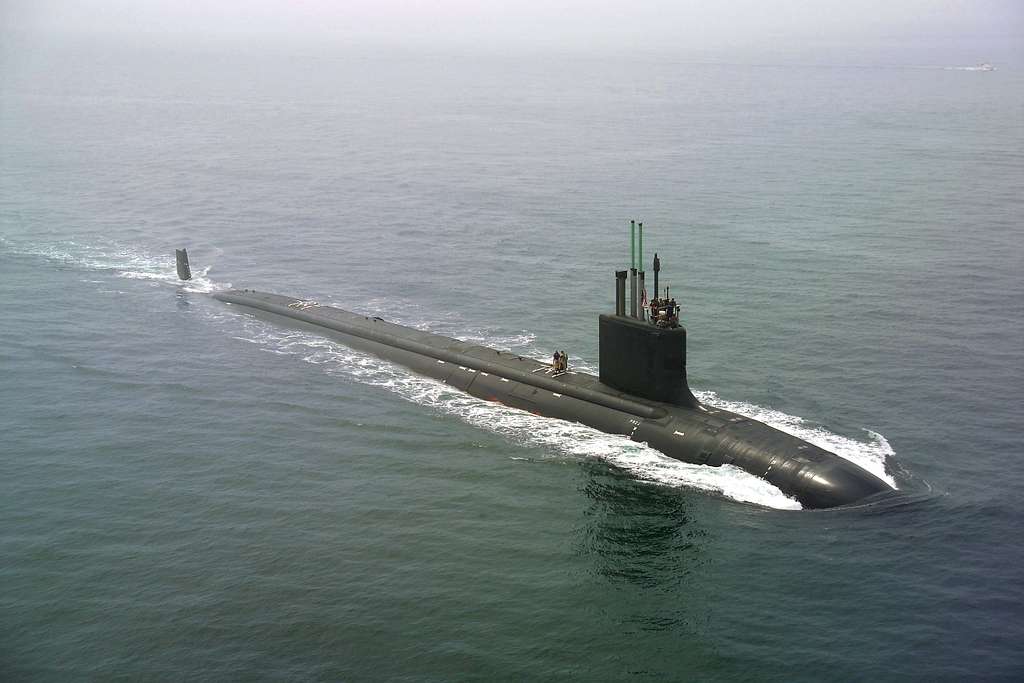
This is where AUKUS submarines become more interesting than its critics might allow. Australia is acquiring eight nuclear-powered submarines, with the first Virginia-class transfer expected in the early 2030s. Crewing and maintaining them would require nuclear-trained engineers, a dedicated safety regulator, and a public comfortable living near ports where the submarine may dock. A report from the US Navy estimates around 100 Australians are already training in nuclear propulsion overseas, and this is precisely the kind of workforce a civilian industry would also need to build from scratch.
Canberra insists that these two tracks are unrelated: the submarine reactors are sealed and never refuelled over their service life, and the AUKUS partners briefed the IAEA Board of Governors in November 2025 to confirm that the programme meets the highest non-proliferation standards. This firewall architecture governs material, but it is not designed to facilitate familiarity or nuclear culture. The more Australians who train overseas and work alongside such naval reactors and watch submarines dock safely in home ports, the less exotic the word ‘nuclear’ would sound at the dinner table. In addition to this being a technology transfer, it is also a confidence transfer, and it is happening regardless of what any parliament legislates. The significance of this shift lies less in the social familiarity than it does in its public familiarity. Technologies often become politically acceptable when institutions and communities become accustomed to living alongside them, and studies show that support for nuclear is significantly higher in communities near existing plants than in the general public.
None of this resolves the legal, temporal, or capability barriers described above. But it does change the political environment in which those barriers will eventually be tested. Nuclear power is not arriving this term or probably in the next, however, Australia’s ban looks more fragile than the 2025 landslide suggested. A renewables shortfall, a state government trying to undo the nuclear ban and a generation of Australians growing up alongside nuclear submarines all point in the same direction. It is the point of observation as to how long the AUKUS-driven normalisations of nuclear technology can run before energy policy is forced to catch up. Whichever government is in office when that happens will find a public less anxious about reactors than the 2025 results suggested, and this is not because anyone won the argument but because the incoming submarines may end up reshaping the terms of the debate, even if no government deliberately set out to do so.
Prachi Lokhande is a doctoral candidate at the Centre for International Politics, Organisation and Disarmament, Jawaharlal Nehru University and teaches International Relations at Hamdard Institute of International Studies, Jamia Hamdard. She is a UGC-JRF awardee in Defence and Strategic Studies, International Relations and Area Studies, and a Gold Medallist. She has previously held research positions at the Indian Council of World Affairs and the Centre for Air Power Studies. She is a Pacific Forum Young Leader and a fellow of the India-Europe Resilience Forum.
This article is published under a Creative Commons License and may be republished with attribution.