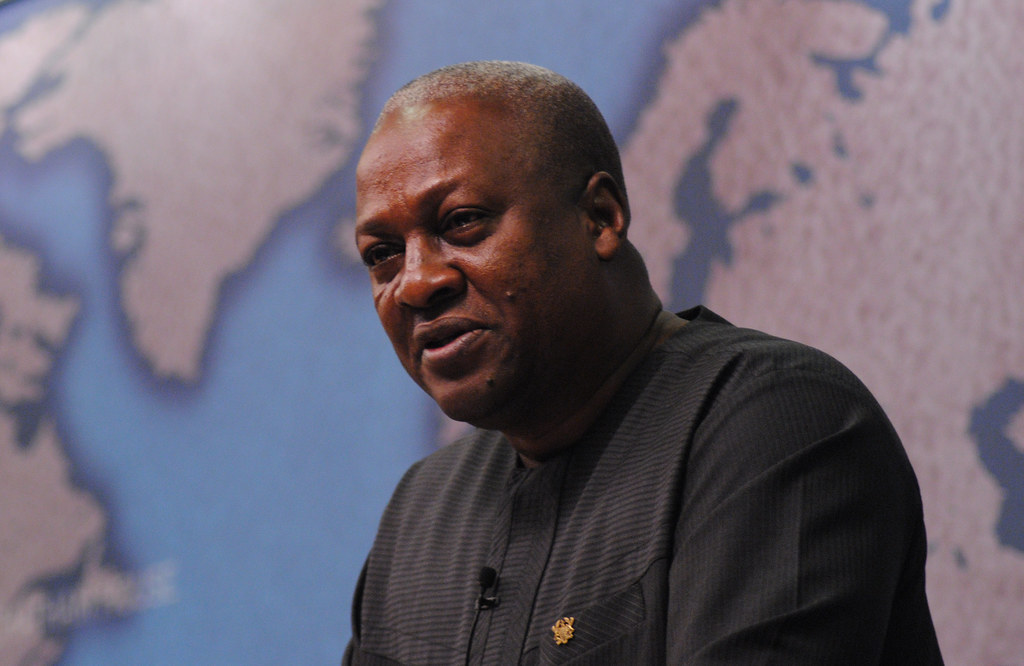
Over the past few months, Ghana’s political discourse has been dominated by an unusual proposition calls for former President John Mahama to run for a third term.
These appeals have come from influential quarters—members of the National Democratic Congress (NDC), sections of the clergy, and political elites. Notably, the Majority Leader of Parliament, Mahama Ayariga, and former Adentan MP, Kojo Adu Asare, have publicly endorsed this idea.
President Mahama himself has stated unequivocally that he is not interested in contesting for the presidency again. Yet, proponents of this agenda seem unwilling to relent. Their argument rests on two pillars: first, that Mahama and the NDC are riding a wave of popularity following recent electoral successes; and second, that the government’s economic performance provides a strong case for amending the constitution to make this possible.
A common refrain among advocates of the third-term push is that “Ghanaians want a performing president to stay in office.” As Majority Leader Ayariga put it, “Ghanaians are asking for a third term for President Mahama, not for the NDC.” However, these claims lack empirical backing. No data has been presented to support the assertion that the public favours a constitutional amendment allowing a third term. In fact, existing evidence strongly contradicts it.
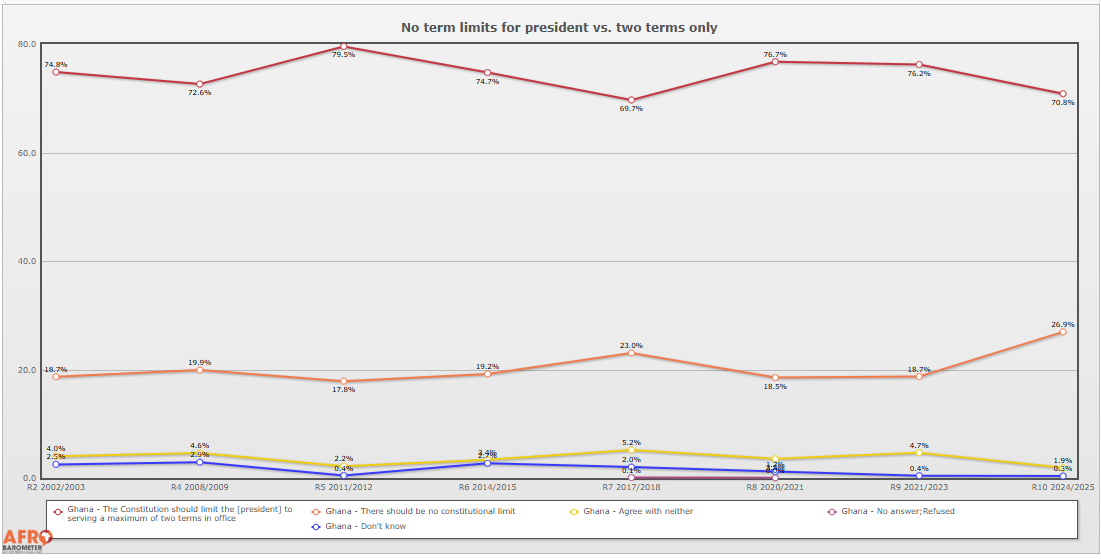
Figure 1: Trend of support for a two-term limit vs. a no-term limit
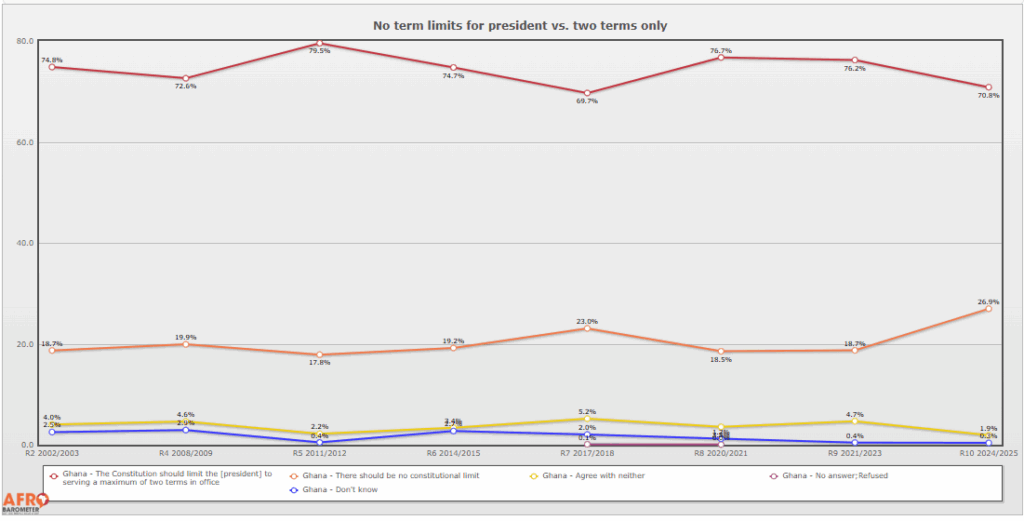
Question: Which of the following statements is closest to your view? Choose Statement 1 or Statement 2. [Probe for strength of opinion: Do you agree or strongly agree? The Constitution should limit the [president] to serving a maximum of two terms in office. There should be no constitutional limit on how long the [president] can serve.
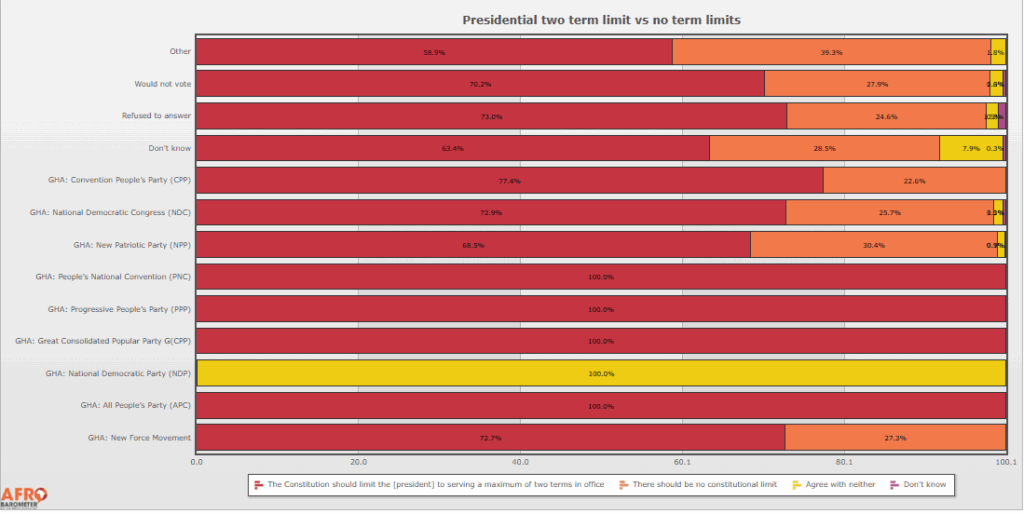
Since 2002, Afrobarometer surveys have consistently asked Ghanaians whether the constitution should limit presidents to two terms or allow unlimited tenure. The results are striking: support for a two-term limit has never fallen below 70%, as shown in Figure 1. The most recent survey, conducted in August 2024, reinforces this trend. Even during a period when the NDC enjoyed significant popularity—20% of respondents identified as close to the NDC, and nearly 30% said they would vote for Mahama—the commitment to term limits remained firm. Among NDC supporters, 73% favoured maintaining the two-term cap.
Figure 2: presidential two-term limit vs no term limit by vote preference
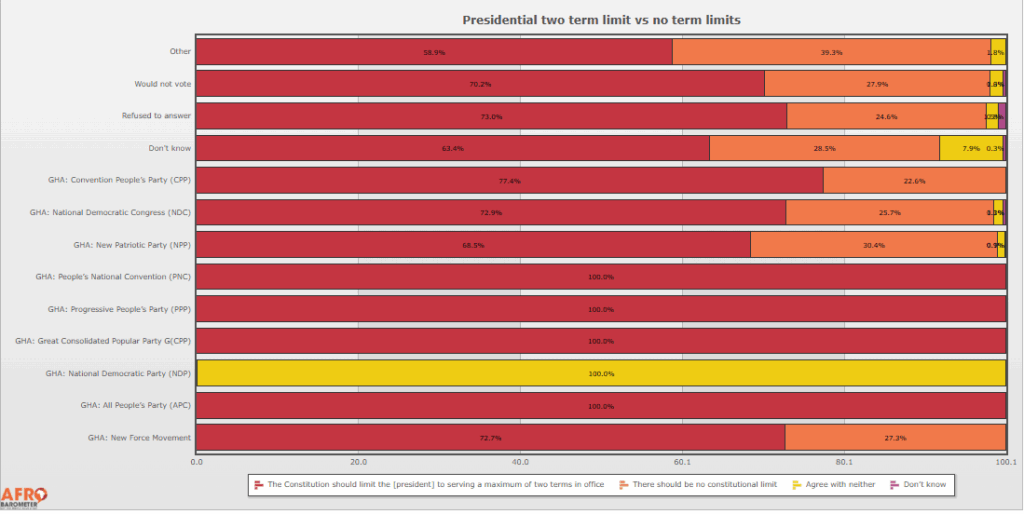
This data tells a clear story: the overwhelming majority of Ghanaians, including NDC loyalists, reject the idea of a third term. The calls for constitutional change, therefore, appear to reflect elite preferences rather than popular demand.
Ghana’s two-term limit is not just a legal provision but also a democratic safeguard. Removing it would set a dangerous precedent, eroding the principle of leadership rotation that has underpinned Ghana’s stability since 1992. At a time when parts of Africa are witnessing democratic backsliding, Ghana must resist temptations that could undermine its hard-won democratic credentials. President Mahama’s third-term debate tests Ghana’s democratic resilience against clear evidence that Ghanaians value constitutional term limits. The question now is whether political elites will respect that choice. Mr Fiifi Kwetey has shown the way and hit the nail right on the head. I hope other reasonable minds will follow in his tracks
Dr Owura Kuffuor is a political scientist specializing in Ghanaian politics and governance. His research explores democratic institutions, electoral behavior, and policy development in West Africa.
This article is published under Creative Commons License and may be republished with attribution.