Press freedom rarely collapses in a single dramatic moment. More often, it erodes gradually through legal pressure, intimidation, and financial strain, making independent reporting increasingly difficult.
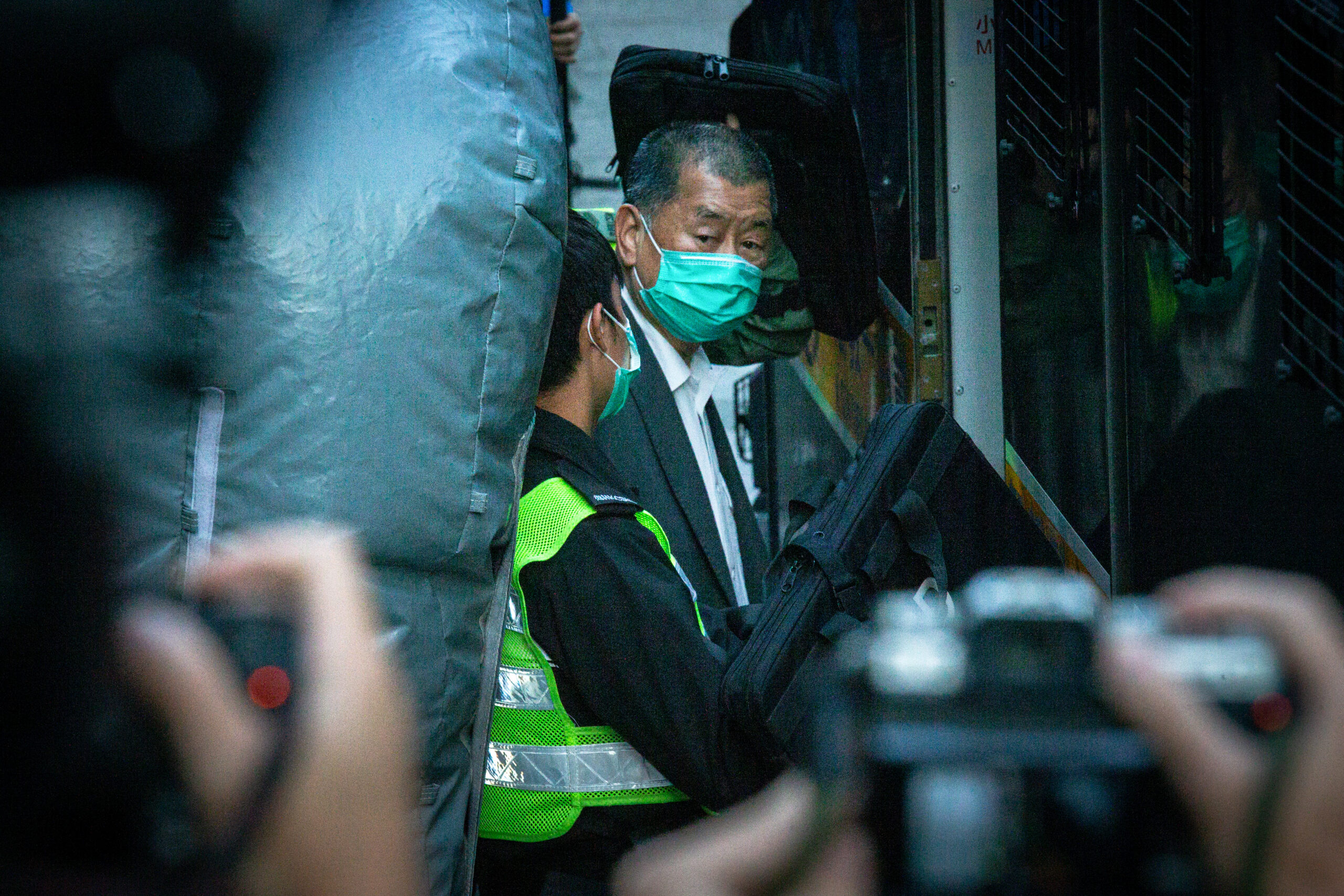
The recent sentencing of Hong Kong media entrepreneur and pro-democracy figure Jimmy Lai has sent a clear signal far beyond the city’s borders. Once known as one of Asia’s freest media environments, Hong Kong is now regularly cited by press-freedom watchdogs as an example of how quickly space for independent journalism can shrink. The case reflects a broader shift in how governments use legal systems and national security laws to control information and discourage critical reporting.
Press freedom rarely collapses in a single dramatic moment. More often, it erodes gradually through legal pressure, intimidation, and financial strain, making independent reporting increasingly difficult. In recent years, this pattern has become visible across different political systems and regions.
For democracies, this trend cannot be treated as a distant or isolated problem. The decline of press freedom weakens the global flow of reliable information that democratic societies depend on. As a result, democracies must respond more actively by defending press freedom through diplomacy, institutional protections, and support for independent journalism.
A Global Pattern of Suppression
In Ukraine, the cost of reporting the truth has become starkly clear. According to Reporters Without Borders, over 175 journalists have been victims of abuse since the start of Russia’s full-scale invasion on 24 February 2022. These abuses range from injuries caused by shelling and gunfire to kidnappings, threats and detention. Broadcasting towers have been destroyed, and newsrooms have been evacuated. According to a survey, about 10 per cent of Ukrainian news outlets reported a stable or improving financial situation in 2025. In contrast, the vast majority were in precarious conditions or facing worsening financial circumstances.
Meanwhile, Iran has sentenced Nobel peace prize laureate Narges Mohammadi to more than seven more years in prison after she began a hunger strike amid Tehran’s crackdown on dissent amid Tehran’s ongoing crackdown on dissent following nationwide protests. International press-freedom organisations have repeatedly condemned the treatment she has received, describing it as part of a broader pattern in which security and propaganda laws are used to criminalise dissent.
Together, these cases show that the suppression of journalism is occurring through multiple pathways, from wartime violence to the use of national security laws against dissent. Regardless of the method, the result is the same: fewer independent voices able to scrutinise power and inform the public.
Early Warning Signs in Australia
While these examples occur abroad, early warning signs also appear within Australia. Recent developments indicate that pressures on free expression can still arise from legal and policy frameworks. In early 2026, the Media, Entertainment and Arts Alliance, the country’s major journalists’ union, warned that proposed federal hate-speech legislation risked undermining core principles of press freedom and freedom of expression. It argued that broadly framed restrictions could have unintended consequences for reporting and commentary. Around the same time, two Australian teenagers, supported by a digital rights group, challenged the government’s planned social-media ban for under-16s in the High Court, arguing that it restricts the country’s implied constitutional freedom of political communication.
Public debates over censorship have also surfaced in cultural and literary spaces. In January 2026, Adelaide Writers’ Week was cancelled after more than a hundred invited authors withdrew in protest over the disinvitation of a scheduled speaker whose past comments had drawn controversy. Organisers said the decision was made to prevent further division. However, several writers and commentators described the episode as an example of censorship and a shrinking tolerance for contentious views in public forums.
These developments do not place Australia in the same category as authoritarian states that imprison journalists. However, they demonstrate how debates about security, hate speech and digital regulation can still shape the boundaries of public discussion in democratic societies. The gradual narrowing of space for contentious or controversial expression often occurs through legal and institutional mechanisms rather than overt repression. For this reason, democracies must remain attentive to how regulatory frameworks affect journalism and public debate, particularly as governments increasingly attempt to manage online information environments.
Defending Press Freedom in Practice
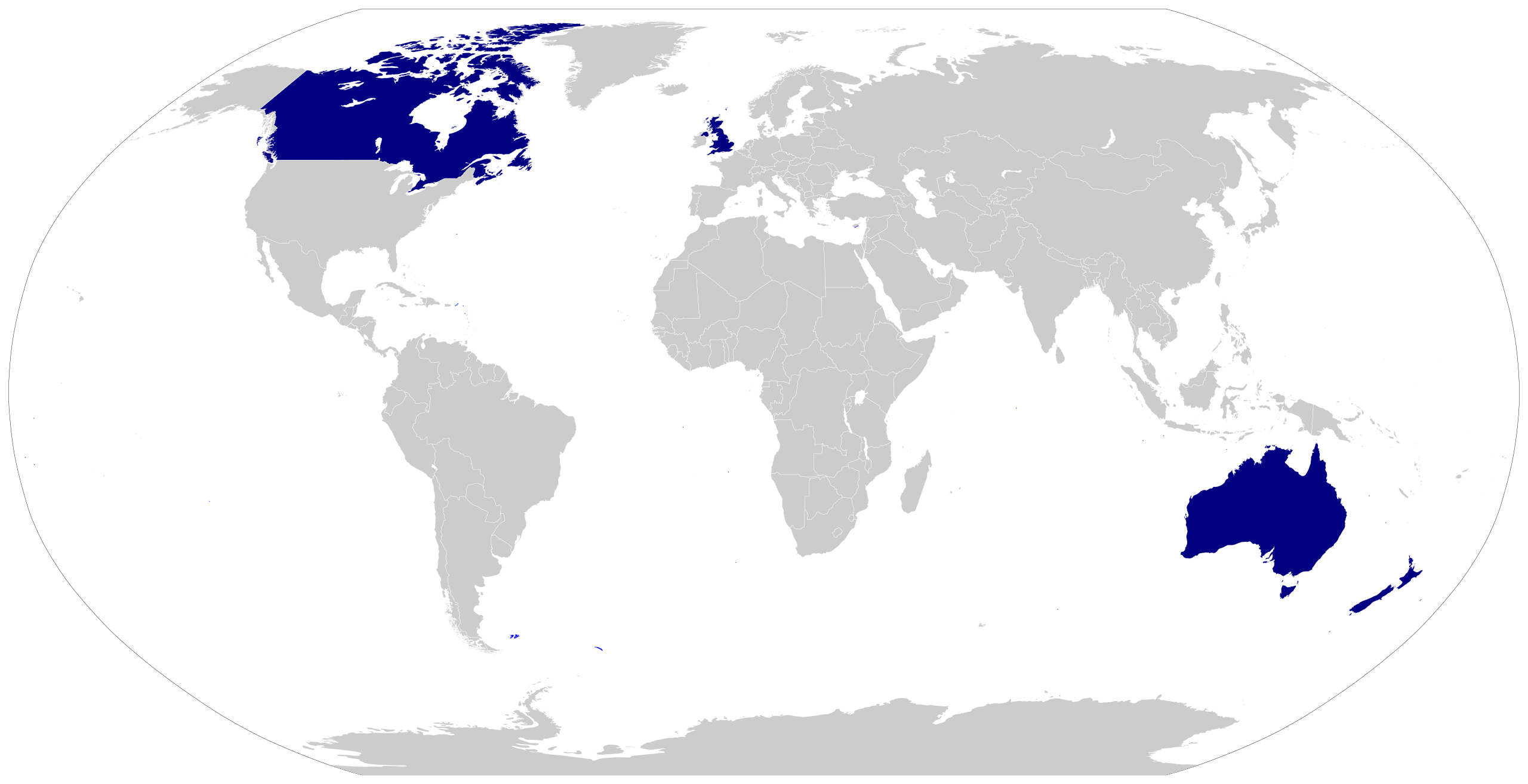
Responding to the global decline of press freedom requires more than statements of concern. Democracies already have tools that can be used more consistently. Initiatives such as the Media Freedom Coalition, launched by the United Kingdom and Canada in 2019 and now supported by more than fifty countries, including Australia, coordinate diplomatic pressure and raise cases of imprisoned journalists. International organisations have also developed mechanisms to protect reporters. For example, UNESCO’s Plan of Action on the Safety of Journalists has encouraged more than thirty countries to establish national systems to investigate attacks on journalists and improve legal protections.
Financial support is equally important. Democracies can support press-freedom organisations that assist journalists facing persecution. Funding emergency assistance programmes run by groups such as Reporters Without Borders, Committee to Protect Journalists, and the International Women’s Media Foundation helps provide legal aid, safety support, and relocation assistance for threatened reporters. These programmes allow journalists forced to flee harassment, imprisonment, or violence to continue reporting from safer locations, ensuring that independent reporting does not disappear when governments attempt to silence it.
The decline of press freedom is therefore not only a problem for journalists. It shapes how societies understand events, hold governments accountable, and respond to crises. For this reason, democracies cannot treat attacks on journalism abroad as distant issues. Speaking out against repression, supporting independent media organisations, and providing protection to persecuted journalists are practical steps that can help sustain the global flow of reliable information. If democratic governments value transparency and open debate, defending press freedom must remain a consistent priority rather than an occasional response to crises.
Akshit Tyagi is an intern at Australian Outlook at the Australian Institute of International Affairs. He is a postgraduate student in International Relations at the Australian National University in Canberra and holds a Bachelor’s degree in Business Administration and a Postgraduate Diploma in Journalism. He previously worked as a business reporter in New Delhi and has written for The Canberra Times, Woroni (ANU student media), The Hill, and other publications.
This article is published under a Creative Commons License and may be republished with attribution.