Sceptics doubt Beijing will part with its J-35 stealth fighter, especially given its own expanding priorities. However that reads the aircraft as a standalone arms sale, when three decades of joint production, interoperable systems and shared strategic interest suggest something closer to the next step in an integrated defence relationship.
Debate continues over whether China is willing to supply Pakistan with its fifth-generation J-35 stealth fighter. Sceptics contend that Beijing is unlikely to export one of its most advanced combat aircraft while the People’s Liberation Army Air Force (PLAAF) is still expanding its own fleet. They further argue that China’s growing security commitments in the South China Sea, make such a transfer improbable. These arguments, however, treat the J-35 as an isolated arms sale rather than the product of a much broader strategic relationship.
Pakistan-China Strategic Partnership
The prospective transfer of the J-35 should instead be viewed in light of the evolution of the China–Pakistan strategic partnership. Initially, the partnership focused on military equipment sales; however, it now includes joint production projects, such as the JF-17 Thunder fighter aircraft, Tughril-class frigates, and Hangoor-class conventional attack submarines. Through these projects, Beijing has also helped Pakistan strengthen its indigenous defence industrial capabilities. Beyond this, Pakistan’s acquisition of J-10 C multirole fighters, HQ-9 air defence systems, and PL-15 beyond visual range (BVR) air-to-air missiles points towards Islamabad’s operationalisation of an increasingly interoperable Chinese-origin military ecosystem.
In addition to procuring J-35 aircraft, reports have also suggested that Pakistan is interested in purchasing the KJ-500 Airborne Early Warning and Control (AEWC) aircraft and the HQ-19 missile defence system. Overall, these purchases showcase both Pakistan’s growing strategic needs and the further strengthening of an already established strategic relationship between the two partners.
Moreover, an important factor in Pakistan’s interest in buying the F35 fighter jets is India’s decision to acquire an additional 114 Rafale jets, in the aftermath of Operation Sindoor. A few of them will be built in France, and the remaining 94 will be assembled in India, thereby allowing the Indian Air Force (IAF) to deploy them quickly. This is likely to be the case, as once these jets are manufactured on assembly lines in India, the IAF will be able to pour more resources into rolling out the remaining airframes in quick succession. In this regard, J-35 fighter jets would provide Pakistan with a crucial conventional deterrent against growing Indian capabilities. In line with Pakistan’s strategy to maintain a qualitative parity with India instead of a quantitative equivalence – i.e., matching Indian numbers – which focuses on a technological offset rather than engaging in an arms race.
Broader Implications
Critics also argue that China is not interested in selling the J-35 because it will not allow its sensitive technology to be placed beside American aircraft and technicians at Pakistani airbases. The argument is that such a scenario would allow US personnel to be in proximity to the J-35, which China did not want in the first place. However, this would not seem to be case given that Pakistan has been maintaining both the US and Chinese weapon systems for decades, with neither side raising any alarms or concerns publicly. For instance, Pakistan has been operating a fleet of American F-16 jets for almost four decades now, whilst also maintaining a fleet of Chinese J-10 C fighter aircrafts. If anything, this would imply that Pakistan has a certain level of trustworthiness in navigating US-China tensions. In fact, Pakistan played an important role in facilitating US-China normalisation during the cold war and has maintained close relations with both states.
Critics also argue that China is likely first to fulfill its own requirements amid emerging threats in the South China Sea Theatre. This seems natural if Beijing decides to do so; however, given its growing capabilities in the aviation industry and the wherewithal it possesses, it will not be difficult for China to produce 40 airframes for Pakistan as well in due course.
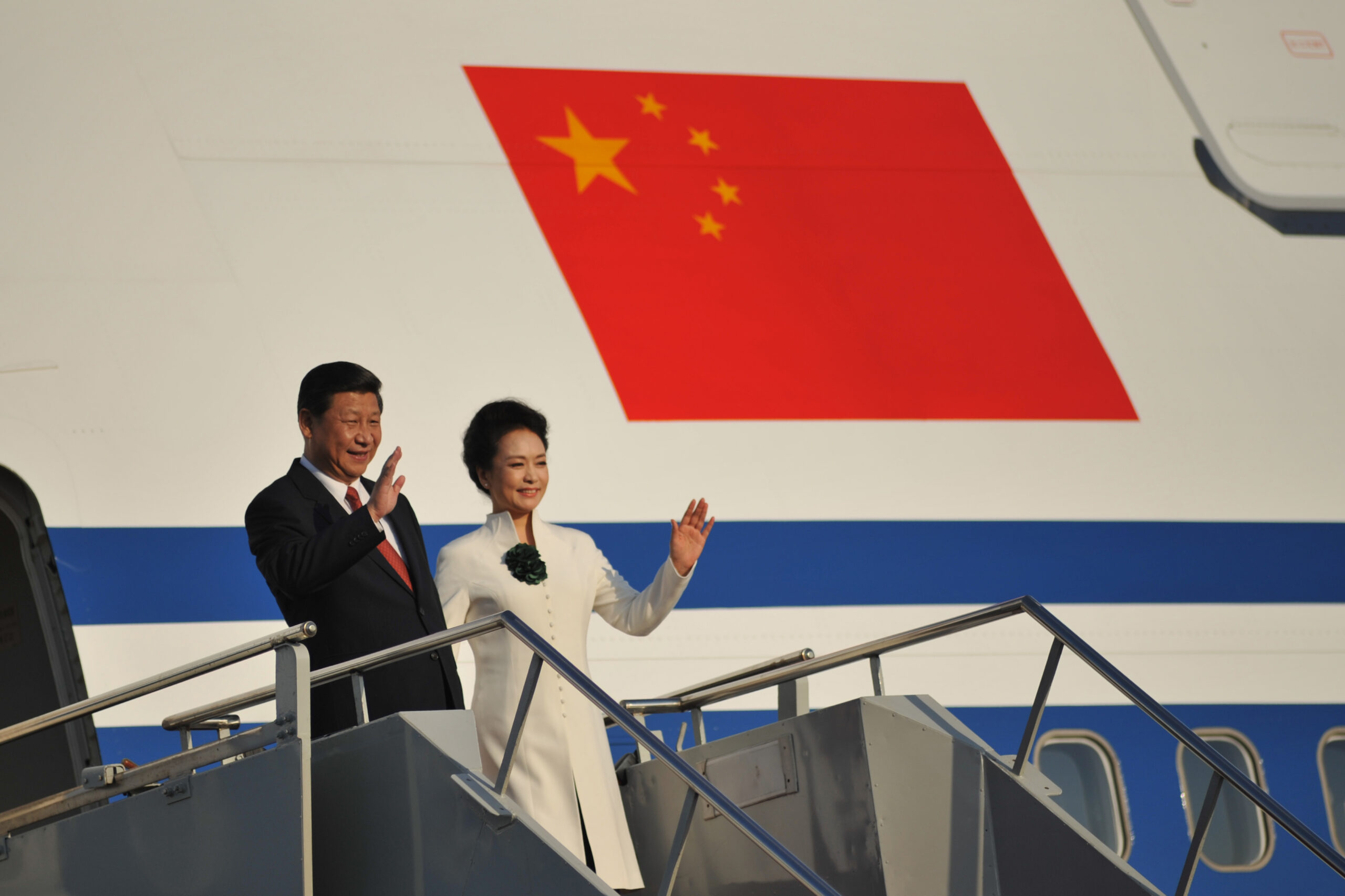
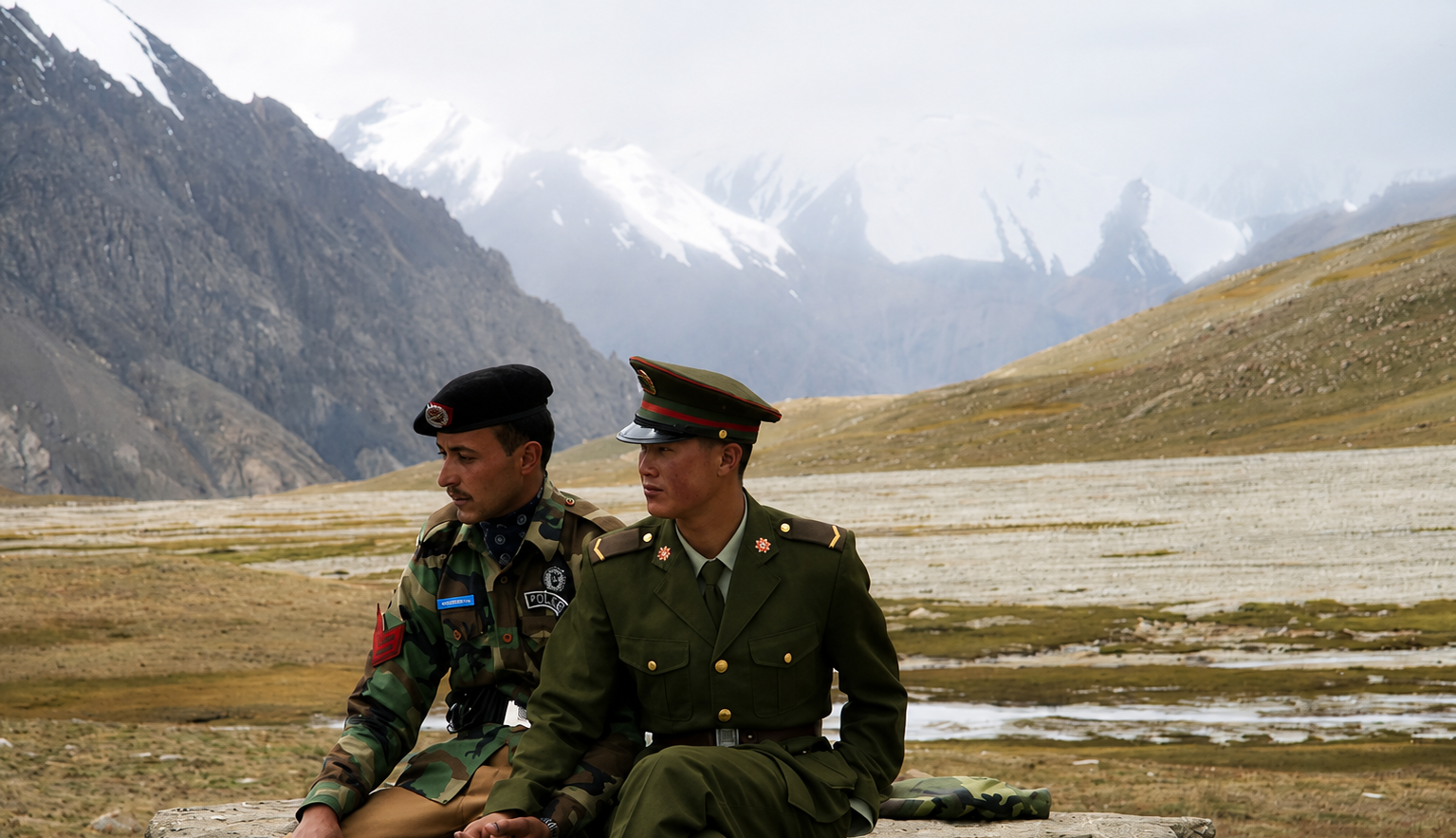
In view of the ongoing rumours and misinformation, the statement delivered by the Chinese ambassador to Islamabad at the 99th anniversary commemoration ceremony of the founding of the People’s Liberation Army (PLA), held at Pakistan Army Headquarters in Rawalpindi, is a very telling example of China’s official position regarding Pakistan as a strategic ally. On this occasion, the ambassador said “Pakistan armed forces and the PLA are true partners, bound by mutual trust, unwavering support and a shared commitment to regional peace, stability and the protection of common strategic interest.” This statement confirms China’s steadfast and strategic partnership with Pakistan seeking to advance common goals.
Besides all this, the global repute China has garnered from Pakistan’s successful use of its technology in active combat, coupled with Beijing’s expanding aerospace defence industry, makes Islamabad an understandable choice for exporting its prized systems. Moreover, India’s growing conventional counterforce capabilities have also become a common concern, despite, India and China maintaining a relatively stable relationship – one that has seemingly improved over the past few years. On this front, however, Beijing still prioritises its strategic partnership with Pakistan. Within this context, the J-35 represents an important step in an evolving security partnership that advances the long-term strategic interests of both Beijing and Islamabad.
Final Remarks
Thus far, the debate over the transfer of J-35 jets had hinged more on China’s capability and willingness to do so. However, the trajectory of the Pakistan-China strategic relationship, Pakistan’s defence needs, and the broader geopolitical environment seem to suggest that Beijing has much to gain from this deal. For Pakistan, the acquisition of fifth-generation fighter aircraft is a strategic necessity to maintain a qualitative balance instead of a quantitative one in the region, especially given the growing willingness of India to engage in conventional warfare under the nuclear overhang.
The sale of J-35 to Pakistan reflects the emergence of a more integrated defence relationship between the two countries; one shaped by converging strategic interests in the region. Furthermore, with the lack of conditions attached to this weapon sales, China seems to increasingly view Pakistan as a trusted defence partner.
Abdul Moiz Khan works as a Research officer at Center for International Strategic Studies, Islamabad. His works has been published at different platforms including Carnegie Endowment, South China Morning Post, The Diplomat, and South Asian Voices among others. He can be reached at kmoiz768@gmail.com.
Usman Haider has an MPhil degree in Strategic Studies from the National Defense University, Islamabad, Pakistan. His articles have been published in The Diplomat, Australian Institute of Affairs, South Asian Voices, South China Morning Post, Real Clear Defense, and many others.
This article is published under Creative Commons License and may be republished with attribution.