Australia is strengthening the pathways to Asia capability, but institutional access alone cannot sustain language learning. Australia must also create the cultural curiosity and personal motivation that encourage students to remain engaged.
Alongside many others, Australia is seeking deeper economic, diplomatic and strategic engagement with Asia, at a time where Australia’s ability to do so is in decline. The recent parliamentary inquiry into Australia’s Asia capability found that Australia’s Asia capability is “in crisis”. Domestic enrolments in Southeast Asian languages at Australian universities fell by 75 per cent between 2005 and 2024. In 2023, only 3.3 per cent of Australian Year 12 students studied Chinese, Japanese or Indonesian.
Asia capability encompasses the language skills, cultural understanding and regional experience required to engage effectively across the region. This includes diplomacy, research engaging with Asian sources, businesses able to navigate Asian markets, and policy makers who must understand regional development.
It’s important to acknowledge that language proficiency alone is not Asia capability. However, it is a foundation for deeper understanding of the people, history, culture, politics, societies and economies of the region. The inquiry highlighted that Australia risks being “unable to produce Asia capable graduates, at the moment they are needed most for the nations security and prosperity”.
The parliamentary inquiry therefore proposes stronger educational pathways, greater regional experience and measures to strengthen language provision. However, it overlooks another aspect of the problem. These measures address the structural barriers, but strengthening the pipeline doesn’t necessarily create the motivation required to remain within it. Australia must cultivate not only the opportunity to learn Asian languages, but also the reasons to continue learning them. Victoria provides a useful example. It’s curriculum describes language learning as a “sequential and cumulative process”, requiring regular engagement over an extended period (mandatory from foundation to year 10). The Victorian Department of Education also advices 150 minutes per week of language learning. Yet the average time spent learning a language in primary school is only 55 minutes per week. Moreover, even under Victoria’s comparatively strong language policies, a study tracking a Victorian year 7 cohort found that language enrolments fell by 94% by year 12.
Victoria illustrates that years of institutional access do not necessarily translate into a sustained engagement with a language. Students may choose to discontinue it when it becomes optional, while in other cases they may lose access when the language is unavailable at the next stage of education.
This creates three related challenges: access, continuity and demand.
Access gives students the opportunity to begin. Continuity gives them the opportunity to develop proficiency. Demand determines whether enough students remain on the pathway long enough to develop advanced capability.
Language proficiency requires sustained attention, and engagement. For most Australian children, an Asian language is not necessary for everyday life. English provides access to education, employment and public institutions, while the benefits of advanced language capability may not emerge for years through diplomacy, research, government or personal interest. The effort required to develop proficiency, however, begins immediately.
Students need opportunities to develop a personal interest in languages and societies before the strategic case becomes an abstract argument about future employment or necessity.
This requires thinking about language education beyond the classroom.
The Early Learning Languages Australia (ELLA) program provides one example. ELLA uses interactive, play-based applications to introduce young children (Foundation to Year 2) to 13 languages and their associated cultures. Government research found that 70 per cent of surveyed educators reported increased interest in other cultures among participating children, while two-thirds of parents reported their children using at least one word from the new language at home. While the example does not illustrate proficiency, it demonstrates that language and cultural exposure can begin early and extend beyond formal instruction into children’s homes and families. Where motivation can be nurtured.
Children can encounter Asian languages through cultural programs, community activities, children’s literature, music and digital media alongside formal schooling. Parents should also have accessible ways to participate even when they do not speak the language themselves. Australia can better utilise this to create more Asia capability.
The purpose is not to replace rigorous language education with cultural exposure, but to ensure formal education is not the language’s only context.
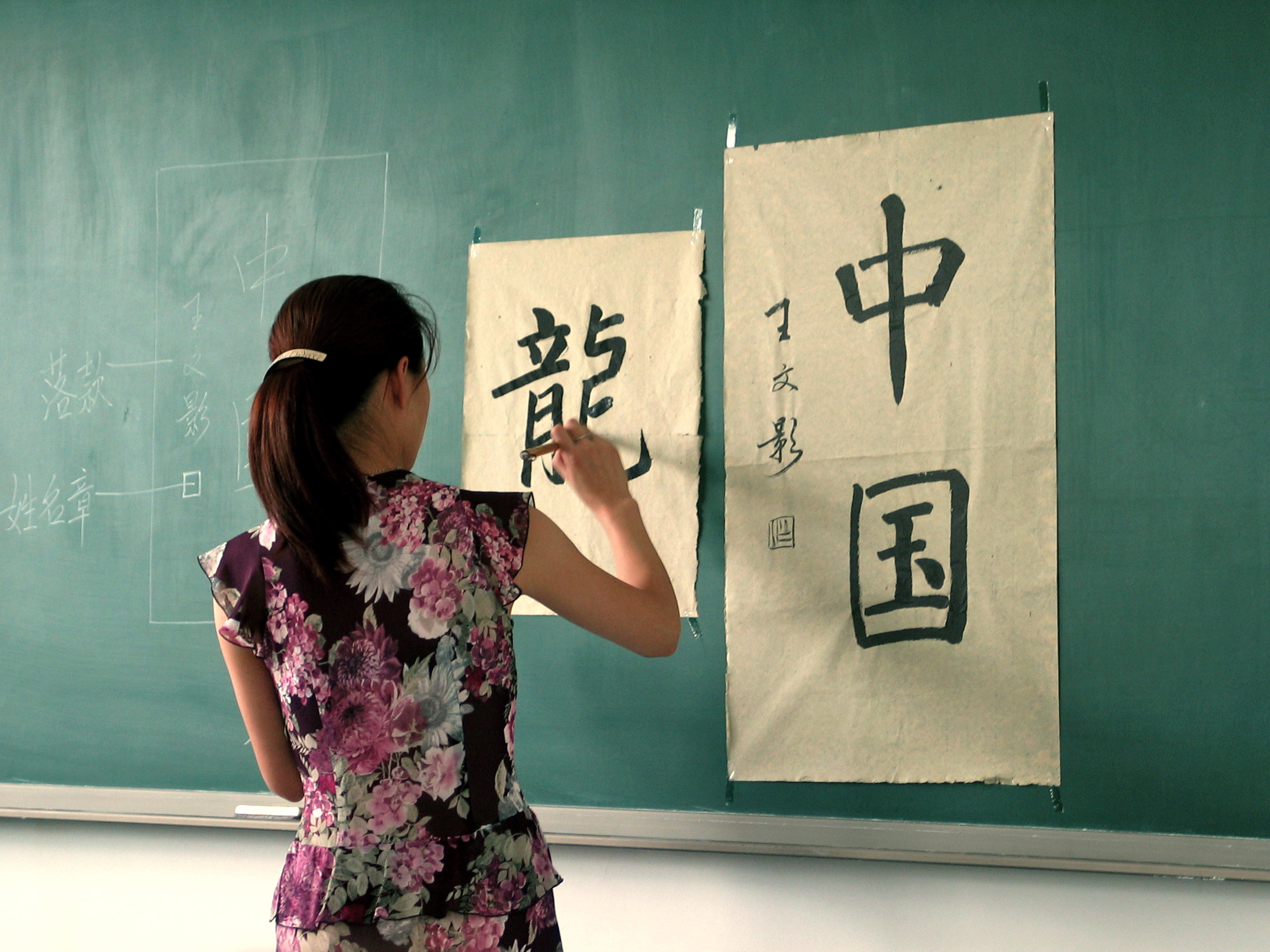
Curiosity about a society can motivate language learning, while language learning can provide a deeper means of engaging with that society. A student interested in Chinese-language literature, music or media may acquire reasons to learn Mandarin beyond the classroom. However, schools and universities must be equipped to turn that interest into sustained educational pathways, as the inquiry intends to improve.
Language learning does not automatically produce cultural competence, and cultural exposure cannot substitute for sustained instruction, immersion or regional study. But it can help create the conditions for sustained engagement that produce Asia capability.
Schools and universities are indispensable to the later stages of the Asia-capability pipeline. But they cannot be expected to generate sustained demand if students encounter Asian languages only as another subject.
The parliamentary inquiry is therefore right to focus on rebuilding the institutional foundations of Australia’s Asia capability. But those foundations will be difficult to sustain if too few Australians develop the interest required to use them. Australia should therefore treat demand as a legitimate component of Asia-capability policy, creating opportunities for students to encounter Asian languages and societies in ways that are meaningful and connected to their interests, outside of formal language learning.
Australia needs to create the conditions in which more Australians choose to pursue Asian language, remain engaged and eventually develop the linguistic, cultural and professional expertise required to engage deeply with the region.
The institutional pipeline matters. But it only produces capability when people enter it, remain in it and have reasons to continue.
Leo Miles is an independent analyst and Psychology and Criminology graduate from Swinburne University. His interests include public policy, international affairs, governance, and the institutions that shape social and economic outcomes.
This article is published under a Creative Commons License and may be republished with attribution.