BYD’s Brazil factory marks a clean-tech power shift: where China builds, countries reindustrialise and plug into the future of mobility. As Beijing anchors global net-zero supply chains, Australia faces a stark choice – integrate with Asia’s clean-energy ecosystem or watch the next industrial wave pass it by.
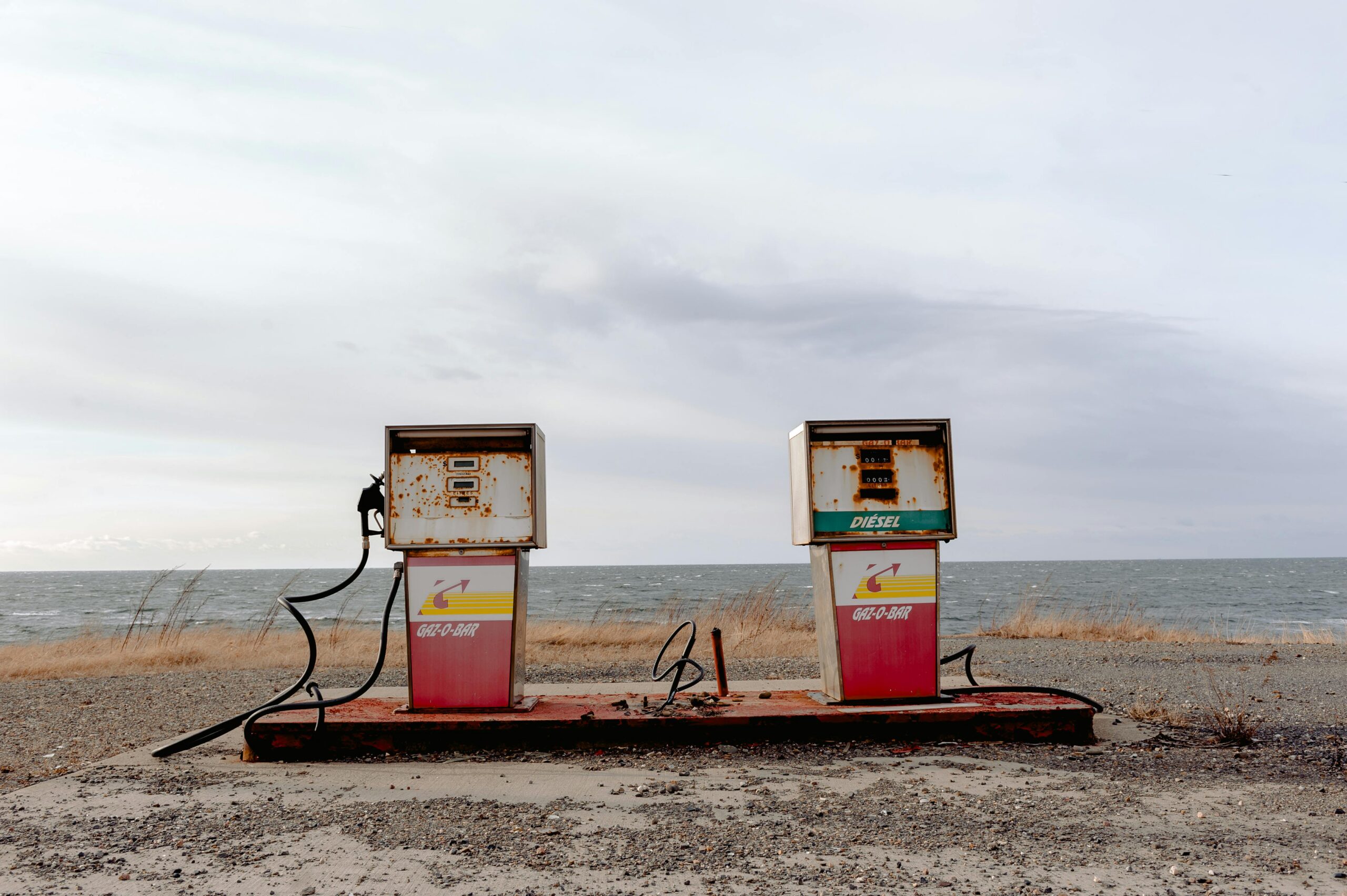
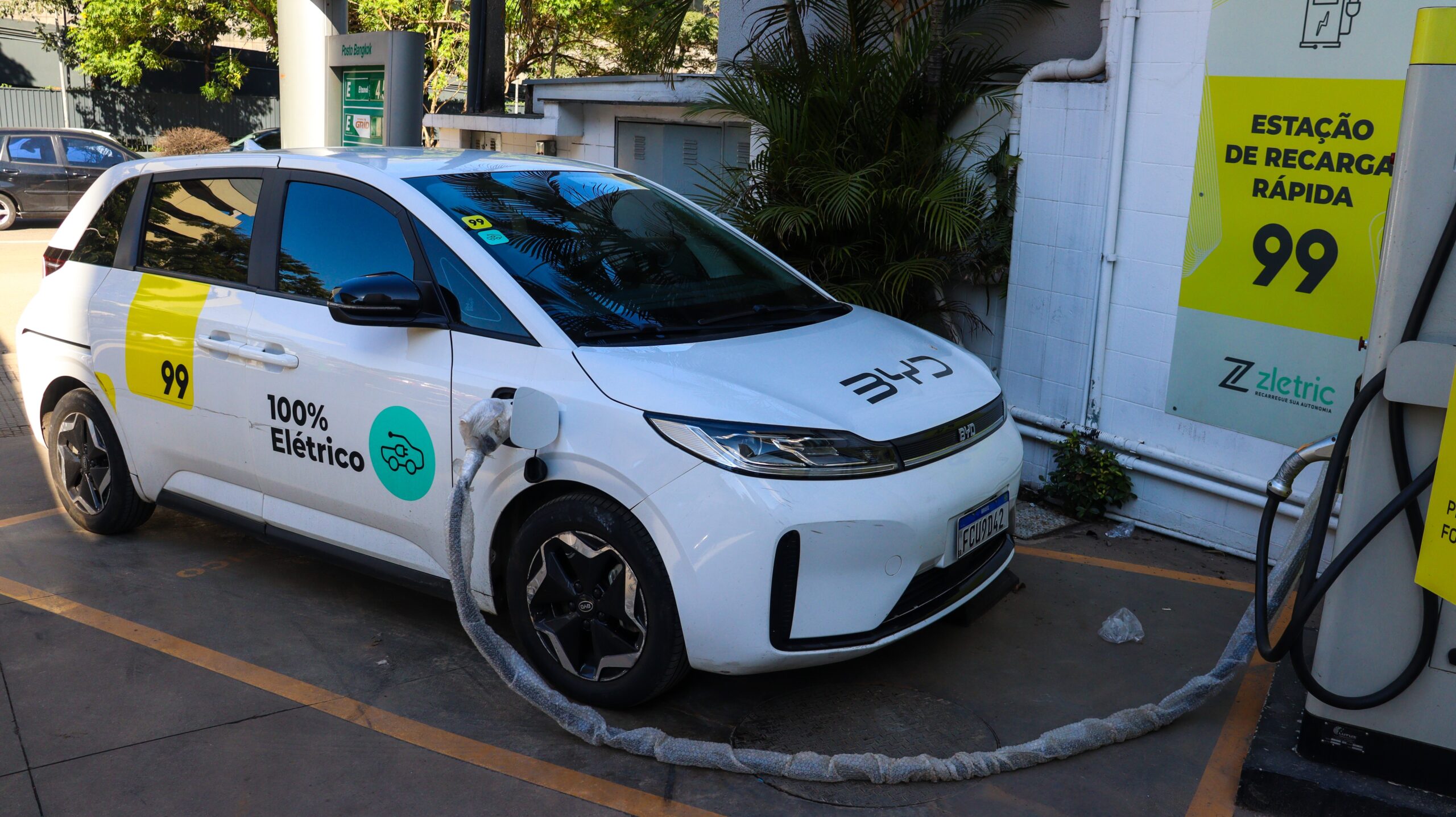
When BYD launched its largest EV plant outside Asia in October, in Camaçari, Brazil, the symbolism was profound. It was the very site Ford abandoned four years ago. Where a US internal combustion engine giant exited, a Chinese EV leader stepped in – reviving industry, upgrading technology and embedding Brazil into the future of mobility.
Brazil’s President Luiz Inácio Lula da Silva captured the national significance when he declared: “We want to export intelligence, knowledge, added value, and that’s why we will continue to strengthen our relationship with China.” Lula articulated what many governments have already internalised: in the 21st century, economic resilience depends on strategic partnerships with the world’s clean-tech leaders – partnerships that build capability, not dependency.
This moment reflects a broader reality detailed in Climate Energy Finance’s new report, Rising Tide: China’s Outbound Cleantech Capital Surge Drives Global Collaboration Toward Net Zero. China has become the gravitational centre of the global clean-energy economy, driving a historic reconfiguration of supply chains, investment flows and industrial development across more than 25 countries between October 2024 and November 2025. Major new announcements include CATL’s US$6 billion integrated battery project in Indonesia and multibillion-dollar battery gigafactories in Morocco, Spain, Portugal and the UK.
Across Asia, the Middle East, Africa, Latin America and increasingly Europe, Chinese cleantech firms are shifting from “product export” to “industry export” through technology transfer, workforce training and R&D centres. Thailand’s new Thai-Chinese dual degree in new energy automotive technology integrates Chinese EV engineering into its national skills system. In Brazil, SENAI and Envision are jointly developing hydrogen, storage and advanced manufacturing technologies. In Morocco, a new joint laboratory for green energy and advanced materials with Shandong University is helping build the scientific foundations of its emerging battery industry. And Renault’s Advanced China Development Centre in Shanghai aims to absorb China’s world-leading EV and software manufacturing know-how to produce cost-competitive models for Europe – an explicit acknowledgment that global competitiveness increasingly requires learning from China.
These examples mirror the broader patterns in Rising Tide: countries that strategically integrate with China’s cleantech ecosystem are accelerating industrialisation, strengthening energy security and positioning themselves for success in the new world economy. Australia, however, is drifting to the margins of this shift.
Foreign direct investment (FDI) is one of the principal mechanisms through which economies join global supply chains and develop industrial capabilities. As a small, open economy, Australia has long relied on foreign investment to drive productivity and national income. In the clean-energy sector, this dependence is even more pronounced: around 70 per cent of capital in Australian renewable energy projects comes from foreign investors, as the Clean Energy Investor Group found.
Yet just as Australia faces stagnant productivity and declining business dynamism, it is becoming a less attractive environment for investment – while global competition for clean-tech capital intensifies. Chinese investment in Australia has fallen by 85 per cent since 2018, even as China’s global cleantech ODI accelerates. The countries capturing this capital – Indonesia, Malaysia, Hungary, Spain, Brazil, Saudi Arabia, Morocco – are those practising opportunity-driven strategic pragmatism, not avoidance.
Accepting the China-centric reorientation of global cleantech supply chains is taking the world as it is, not as we might prefer it to be. And it is the only viable path to meeting Australia’s decarbonisation, energy-security and reindustrialisation goals. Australia’s net zero and Future Made in Australia goals cannot be met without foreign investment, technological partnerships and supply chain integration – including with Chinese firms, which lead every major clean-energy manufacturing industry.
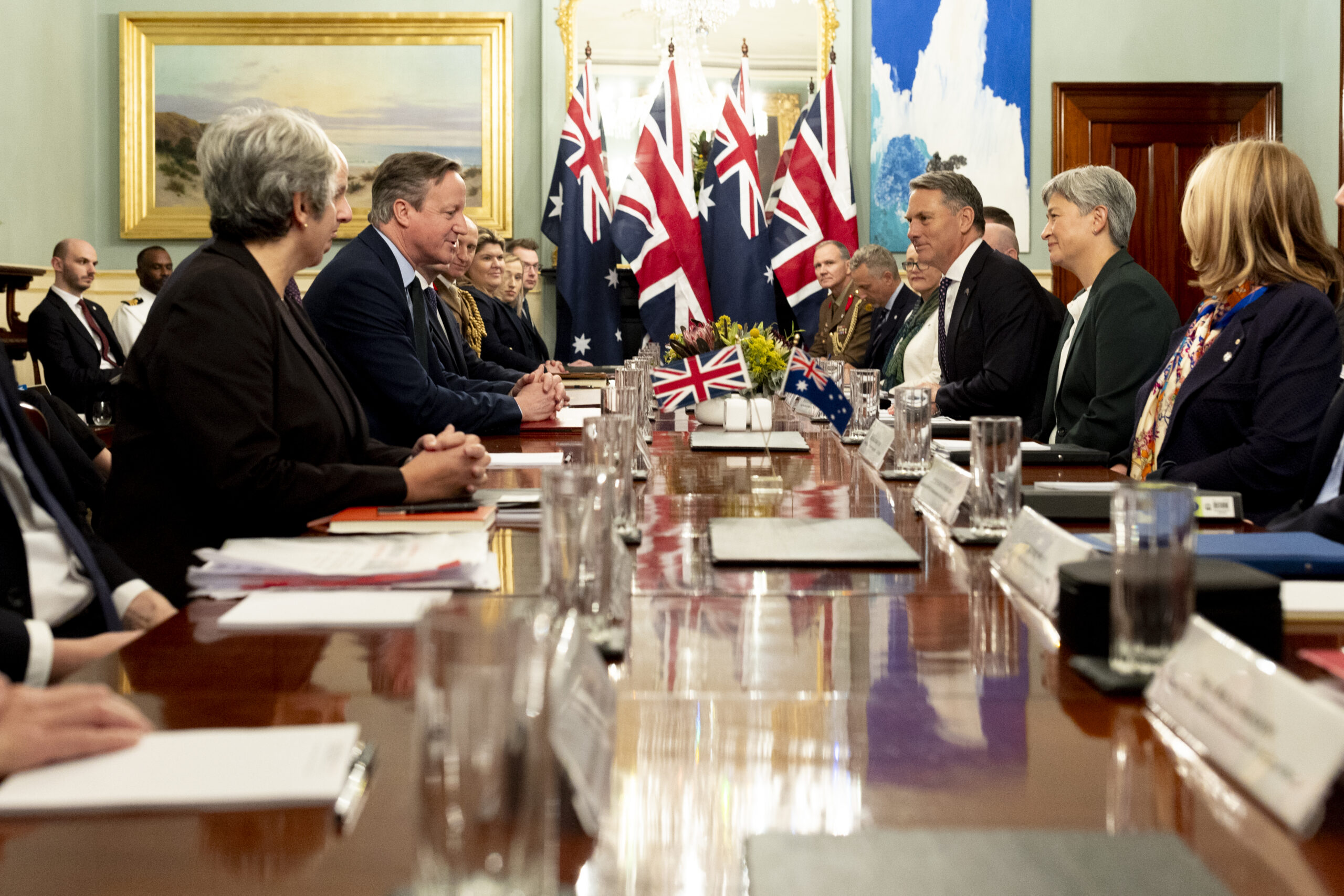
This is where Australia requires a strategic reset – one anchored in an understanding that security in the Asian century will come from deeper integration with our region, not distance from it. Rising Tide outlines a practical, forward-looking agenda:
- establishing an Australia–China Green Transition Cooperation Framework to structure investment, knowledge-sharing and R&D collaboration;
- creating a well-resourced Invest Australia agency to attract high-value clean-tech investment;
- modernising the foreign investment regime with clearer, more predictable rules and a “green lane” for strategic projects;
- establishing an independent emerging technology and security centre to provide evidence-based risk assessment; and
- rebuilding sovereign China capability to enable confident, future-focused engagement.
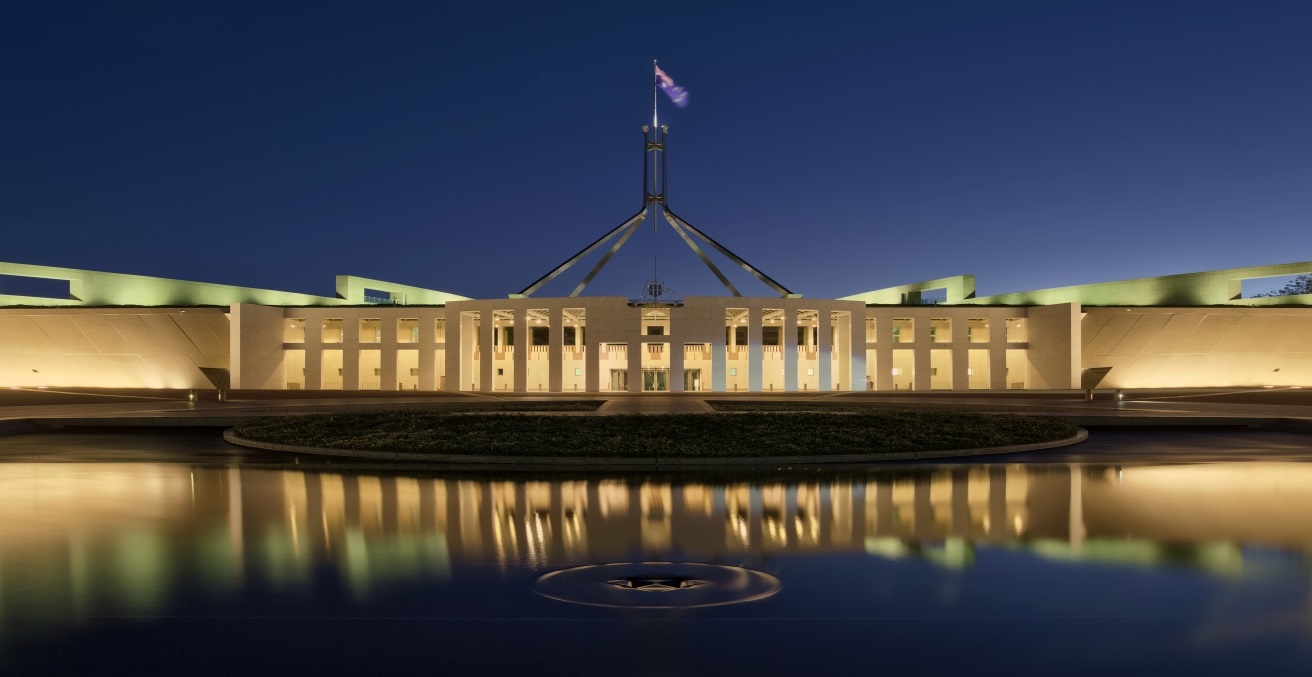
If Australia refuses to adapt, it risks isolating itself from the integrated supply chains that will define regional prosperity for decades. The cost will be generational: slower decarbonisation, higher energy prices, weakened competitiveness and missed opportunities in the industries reshaping the global economy.
In The Lucky Country, Donald Horne warned that Australia could become “run down, old-fashioned, puzzled and resentful” if it failed to engage with the two determining forces of our future: Asia and technology. Today, his warning lands with renewed force. Australia’s luck has run out – and with it the illusion that we can prosper indefinitely without adapting to global change. We now face fundamental questions about Australia’s place in Asia at a time when the world’s economic centre of gravity has moved decisively toward our region.
The BYD factory in Brazil is one signpost of the new global order – multipolar, technologically integrated and shaped by South–South collaboration. The question for Australia is whether we intend to be part of that world or watch it pass us by.
Caroline Wang is the China Analyst at Climate Energy Finance.