Tokyo’s plan to fund a Natuna port upgrade fits neatly into Prabowo’s push to modernise Indonesia’s strategic ports, but it lands awkwardly amid a deepening Japan–China rift and warming Indonesia–China ties. But regardless of the potential fallout, Indonesia would be better off taking this offer seriously.
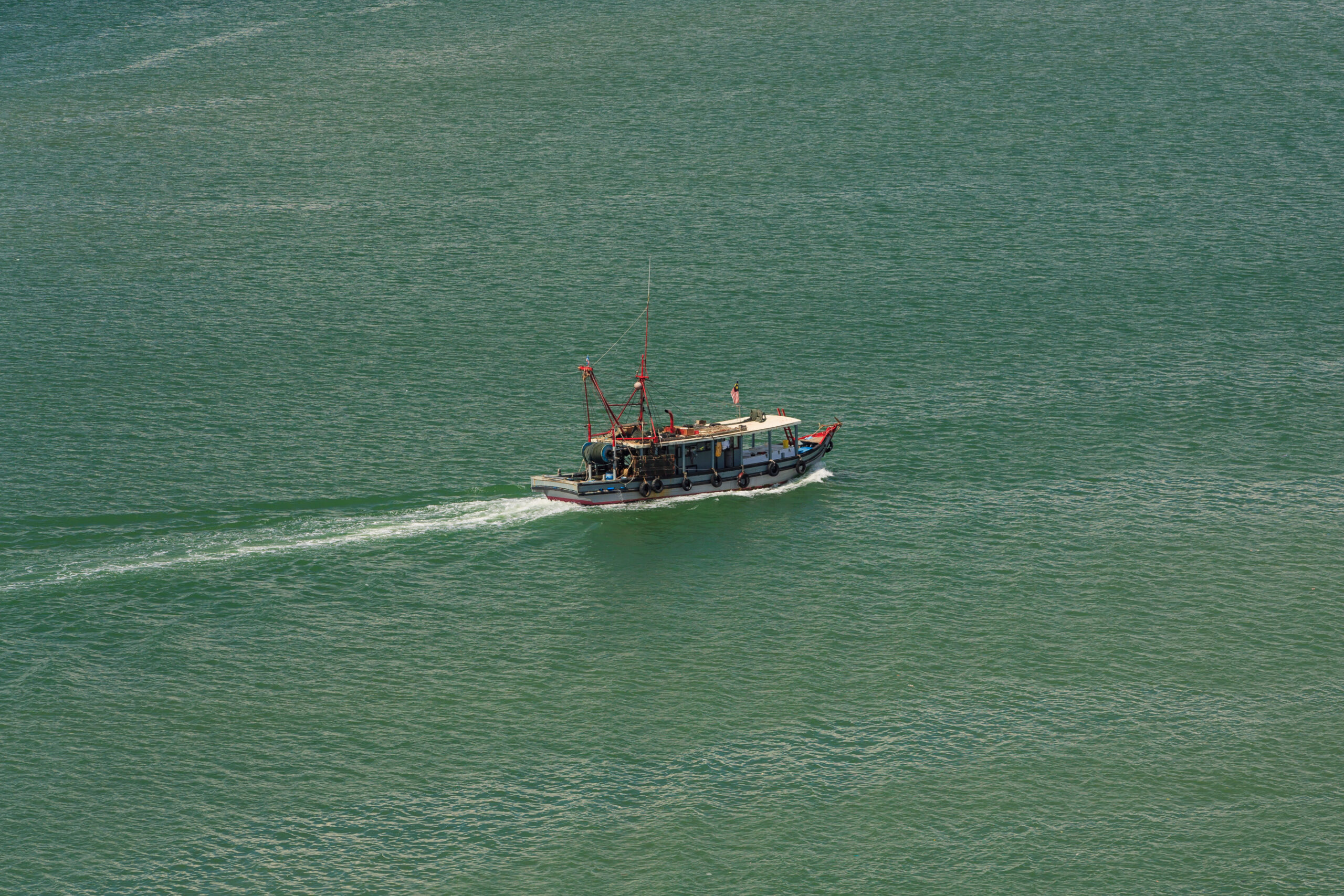
Earlier last month, Japan’s news media reported that Japan plans to use its development assistance to upgrade Indonesia’s fishing port in the Natuna Islands, enabling Southeast Asian Coast Guard vessels to stop there. The proposal also aims to increase Indonesia’s maritime surveillance capacity and tackle issues such as illegal fishing in the South China Sea. While the proposal is strategic and certainly beneficial for Indonesia, it may face geopolitical challenges, particularly as Jakarta increases defence cooperation with Beijing and also Japan-China relations deteriorate.
In 2022, Indonesia enacted Presidential Regulation no 40/2022 on the Natuna Zoning Plan. Under the regulation, Indonesia aims to build the Natuna Islands as a hub for fisheries, maritime tourism, and defence capability. This plan matters not only as a strategy to build the local economies but, more importantly, to increase military presence in the waters, which are often contested because Indonesian exclusive economic zone overlaps with China’s nine-dash line. The Japan development assistance can support the Natuna development strategy outlined by this regulation.
This year, the Ministry of Transportation has begun revitalising the Lampa Strait Port in Natuna District, Riau Islands Province, to improve shipping services in the region. This civilian port aims to increase economic capacity and serve as a gateway for exporting and importing high-value commodities in the region.
Not only upgrading Natuna’s economic capacity, to strengthen maritime law enforcement patrols around Natuna, the Ministry of Marine Affairs and Fisheries has also built 10 new class I patrol vessels this year and expanded its base in the Batam Islands. With a total of 34 surveillance vessels Indonesia aims to strengthen maritime security in the Natuna islands, this is important because Natuna is often considered one of the most vulnerable maritime areas for illegal fishing due to its remote location, and resource-rich marine environment.
Indeed, President Prabowo committed to modernise some of Indonesia’s most strategic ports. For instance, during his meeting with the Batam Development Authority in July this year, he reiterated the importance of modernising Batam’s port system to become the centre for maritime, logistics, and investment.
Moreover, during his meeting with India’s Prime Minister Narendra Modi, Prabowo also agreed to India’s proposal to jointly develop Sabang port, which strategically located near the northwestern entrance of the Malacca Strait. Sabang Port will not only be important for building the local economy, but it could also integrate with India’s Andaman and Nicobar Islands, which have recently received approval for a major project to transform the islands into regional military and trade hubs.
Japan’s proposal to upgrade the port in Natuna is therefore very timely, as Indonesia is currently aiming to modernise its ports across the archipelago and attracting investment from strategic partners. The Natuna proposal can become the centre of port modernisation. Not only because it aims to integrate economic and security capacity, but because it is also located in an area where there are often threats from foreign vessels conducting illegal, unreported and unregulated fishing (IUUF), as well as Chinese intrusions to Indonesian oil and gas exploration.
This proposal, however, may also face some geopolitical challenges. Particularly objections from China. Even though China did not claim the Natuna Islands, its illegal nine-dash line overlaps with Indonesia’s Exclusive Economic Zone. As a result, for years, China has been regarded as a threat not only to local fishermen in Natuna as they engage in IUUF but also to Indonesia’s oil and gas exploration.
Despite China’s threats in the North Natuna Sea, over the past few months, Indonesia and China have, sought to strengthen defence cooperation. During both countries’ Ministers of Defense Meeting in Jakarta last month, both countries agreed to increase their bilateral defence cooperation, from increasing military exercises to building joint missile and rocket factories. This shared commitment was reiterated in Sjafrie Sjamsoedin’s remarks at the Beijing Xiangshan Forum last week.
Although Japan’s Natuna proposal does not specifically target any countries, it may be seen as a challenge to China’s growing presence in Indonesia and the region. This may become even more sensitive, particularly due to the deteriorating relations between China and Japan over the past few years.
Under Prime Minister Sanae Takaichi and President Xi Jinping, many analysts argue that Japan-China relations are currently at their lowest point. Takaichi’s remarks, which stated that a contingency in Taiwan is a “survival-threatening situation” for Japan and could potentially trigger collective self-defence, have provoked a strong response from Beijing. As a result, China suspended high-level economic, political, and tourism ties with Tokyo.
With this deteriorating relationship, China has openly opposed Japan’s plan to conduct military exercises with the United States and the Australian Army in Hokkaido and Kagoshima. Although the Chinese Ministry of Foreign Affairs has not yet issued an open objection to Japan Natuna proposal there is a high likelihood for China to object or challenge the port proposal, given this souring relationship and China’s evident interest in maintaining their presence around the Natuna.
With a free and active foreign policy and Prabowo’s commitment to open cooperation with all states, Japan’s Natuna proposal has become strategically important. In particular, Indonesia needs to diversify its cooperation among middle powers. This diversification will help Indonesia avoid being trapped in the rivalry between the US and China. Therefore, considering its strategic benefit, it would be better for Indonesia to welcome the Japan Natuna port proposal, despite the risk of China’s objection.
Aristyo Darmawan is an Assistant Professor of international law at Universitas Indonesia and a PhD Scholar at the Australian National University.
This article is published under a Creative Commons Licence and may be republished with attribution.
Photo: CEphoto, Uwe Aranas (CC BY-SA 3.0)