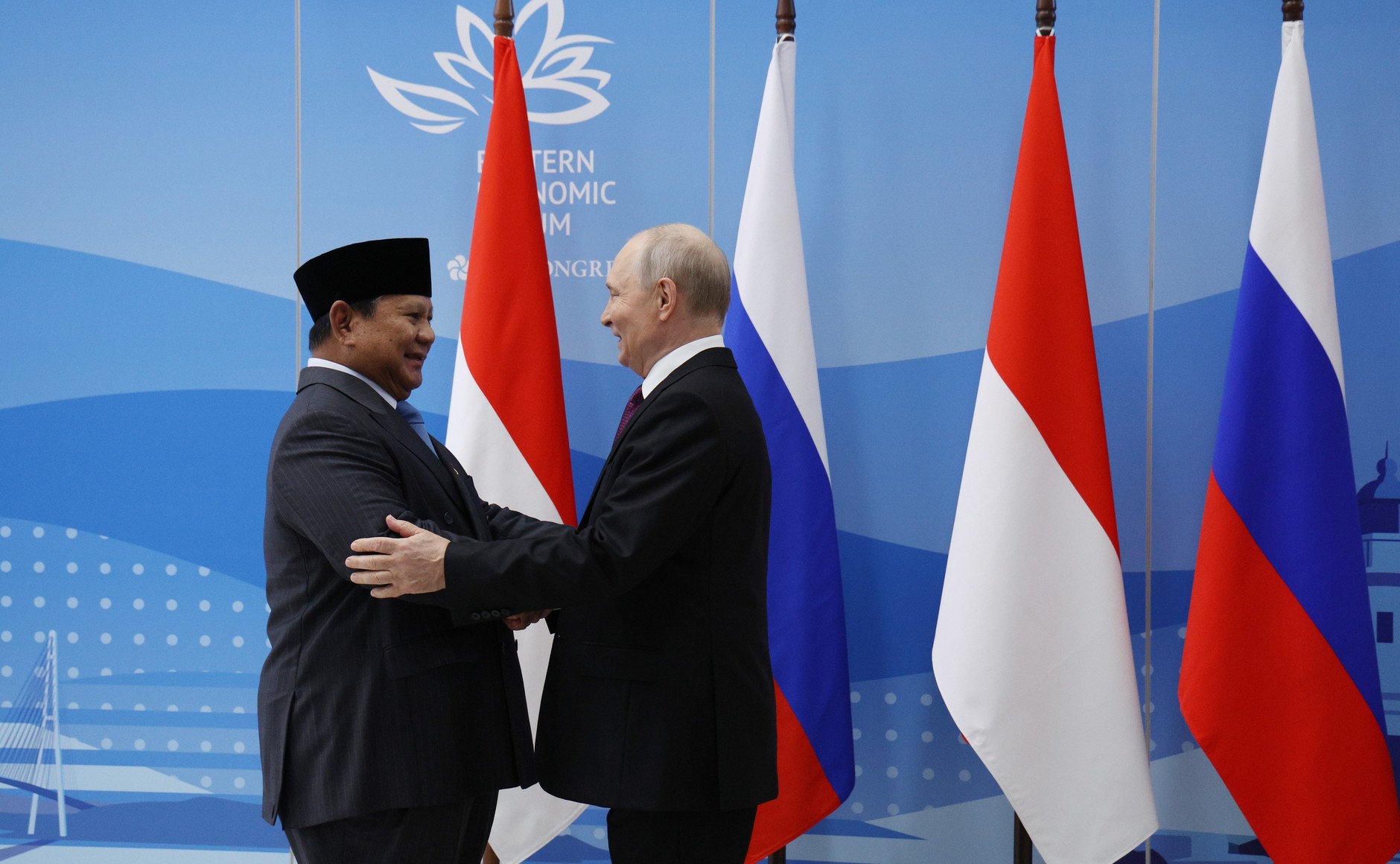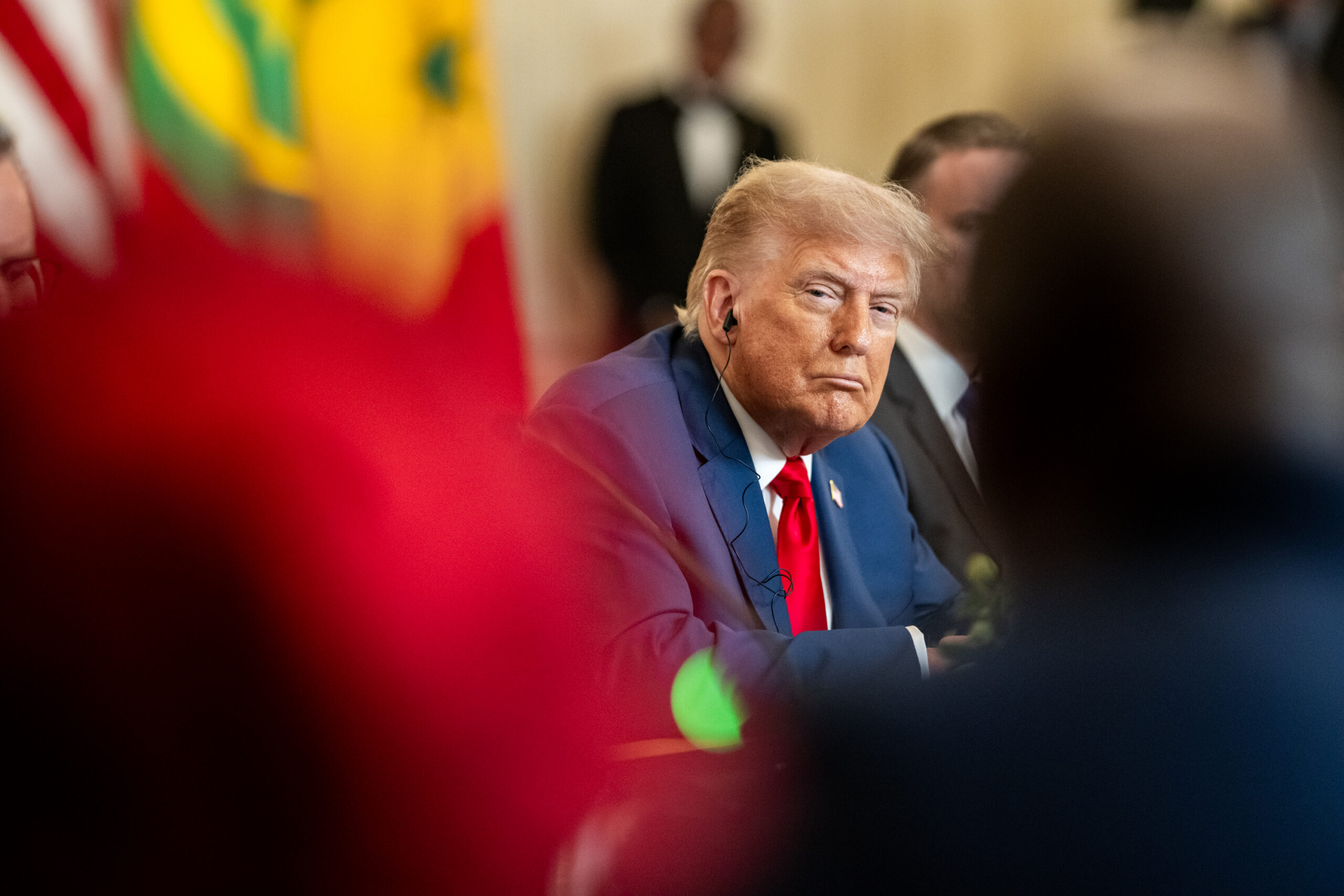
In 2025, President Trump boycotted the G20 Leaders’ Summit, the annual gathering of leaders from the 20 largest economies. The US withdrew its participation by rejecting South Africa’s ‘Solidarity, Equality, Sustainability’ theme and their focus on climate change and gender rights in the Global South. Now, the US holds the 2026 G20 presidency and has limited the scope back to economic growth. But will this change help or hinder diplomatic collaboration and effectiveness?
In 2025, the US Secretary of State Marco Rubio claimed that the G20 had become antithetical to America’s national interest. This was inflamed by Trump’s accusations that South Africa were persecuting their white minority, despite these accusations being dismissed by a South African judge. In a final attempt to influence the global community, Trump pressured the remaining countries not to sign off on the summit declaration. Argentina was the only state to comply. Most importantly, the US has barred South Africa from participating in the 2026 summit on the basis of their government’s ‘appetite for racism and tolerance for violence against Afrikaner citizens.’
The 2026 G20 Leaders’ Summit has three main themes: removing regulatory burdens, secure energy supply chains and innovations in artificial intelligence. A press release from the US Mission in South Africa stated that America will ‘forge ahead with a new G20’, returning to its original intention of driving economic growth and producing results. Alan Alexandoff from the East Asia Forum describes the reduction as ‘ill-considered’ after it was announced that there will be only one meeting for finance ministers and most engagement groups were cut from the process. Trump’s decision has also disrupted one of the most important coordination instruments of the G20, the troika. This includes the past, current and future hosts organising and chairing over one-hundred meetings that take place in preparation for the G20. By cutting South Africa out of the 2026 G20, the US has broken the process that ensures a smooth transition from one year to the next. Before South Africa’s presidency, the previous host countries (Indonesia, India, Brazil) all promoted the Global South’s priorities such as development finance, food security and climate change. The Centre for International Governance Innovation (CIGI) warns that an agenda that dismisses these countries work could erode the credibility of the summit.
However, the Centre for Global Development argues that the G20 suffers from underlying issues. Namely, a lack of focus in its initiatives resulting in a reduced impact. The summit is most successful when directly engaging with economic crises such as the Global Financial Crisis and COVID debt initiatives. By going beyond its intended scope, Svenstrup observes that the G20 is now a bloated and costly commitment where senior officials ‘waste weeks’ negotiating policies instead of having ‘real conversations.’ Despite Trump’s impulsiveness, a decision to return to economic growth and prosperity as the summit’s focus could be a step in the right direction. This years’ summit could deliver tangible action on ensuring that energy sources can meet global demand, investing in skilled technology talent to drive innovation and strengthening national competitiveness.
Already, Trump’s decision to ban South Africa from this year’s summit has created rift between G20 member states. On behalf of the European Union, German Chancellor Friedrich Merz has asked the US to reconsider their choice, attempting to convince Trump by stating that “it would be good to invite all of the G20 members to America.” Elizabeth Sidiropoulos, Chief Executive of the South African Institute of International Affairs writes that the G20’s value arises from its diverse membership, bringing together emerging to advanced economies. It is important in such a forum to address the spectrum of inequality amongst the Global South and Global North. By dismissing the policies that have been agreed upon previously, resentment could hinder genuine collaboration.
But effectiveness may still be achieved. The US administration’s decision to focus on core economic themes is efficient. The G20@20 review found that an expansion of the agenda reduces members’ commitment and coordination on global challenges. If the US advocates for a common cause and does not preference unilateral action, then the reduced scope could strengthen diplomatic efforts. CIGI notes that a successful G20 will rely on trust. Trust in the institution, trust in cooperation and trust in the process. All members, including the US will be responsible for cultivating an environment where stakeholders can effectively negotiate on the most pressing economic issues of today. Martin Sandbu notes that plurilateral groups may still be able to move policies forward. G20 initiatives will rely on ‘coalitions of the willing’ to ensure progress is made.
Ultimately, a return to the G20’s original priorities may still outweigh the resentment and hostility towards Trump.
Isha Desai is a writer, researcher and analyst, graduated from the University of Sydney in Politics and International Relations. She was the 2024 Indo Pacific Fellow for Young Australians in International Affairs (YAIA) and currently works in social impact policy at Penguin Random House ANZ. In 2025 Isha was accepted into the Women in Strategic Policy Program, delivered by the ANU Strategic and Defense Studies Centre in partnership with Girls Run the World.
This article is published under a Creative Commons License and may be republished with attribution.