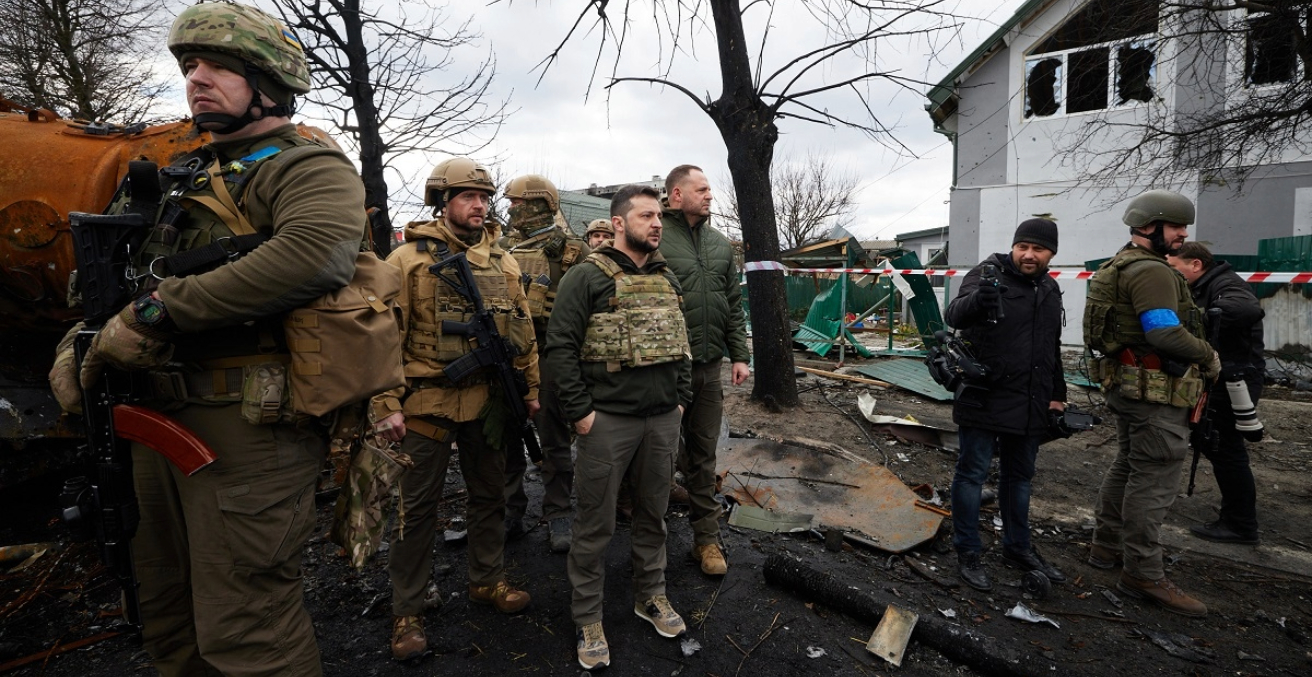
What the years of war in Ukraine have shown is that, while initially seen primarily as a victim of Russia’s illegal aggression, Ukraine has developed several successful defence and security projects that can now offer important lessons to other countries facing security threats.
Since 2014, and more recently since 2022, Ukraine has been at the epicentre, unfortunately, for all the wrong reasons. Russia’s invasion of Ukraine’s eastern regions, Luhansk and Donetsk, and the occupation of Crimea in 2014, initially considered through the prism of a “hybrid war,” which history illustrates, became clearly an appeasement of the aggressor and has evolved into a full-scale invasion since 2022. According to the severely miscalculated plans of the aggressor, Ukraine’s independence was expected to be liquidated in a matter of days. However, Ukraine is still standing and fighting against one of the top five military powers in the world, yet with the help of its partners, now in the fourth year of the all-out war. For anyone who knows Ukraine’s history well, this is hardly surprising. But what is the situation now, and what has been learned from this war? What lessons can Ukraine offer to the world?
Growing Scale of the War
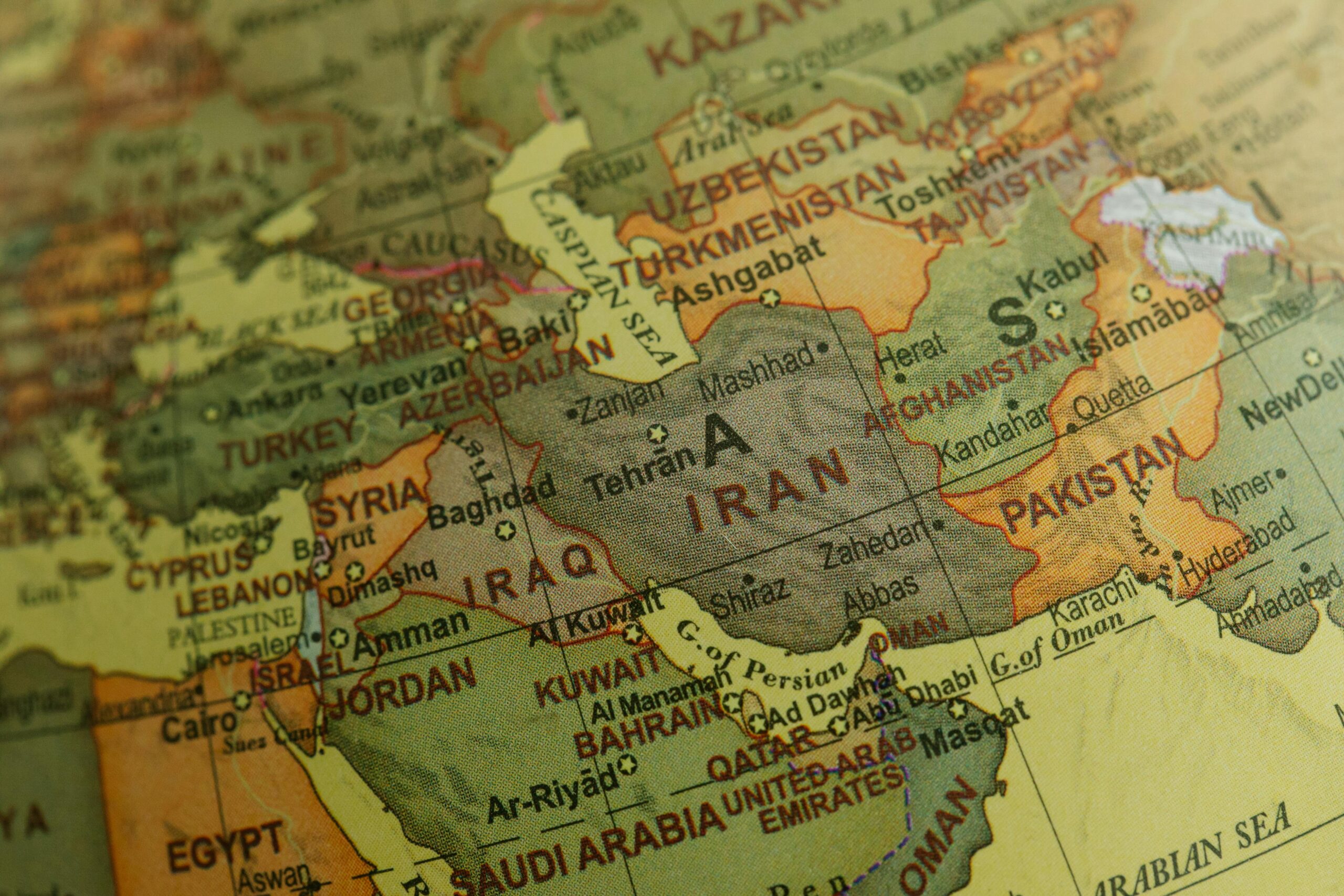
Over twelve years since the beginning of Russia’s war against Ukraine, the understanding of its nature and implications for the region and the wider world, including Australia, has changed significantly. While in 2014–2022 it was initially viewed as a local conflict between Russia-backed separatist forces in eastern Ukraine, this interpretation no longer holds. The scale of the war has expanded significantly: both the frontlines in the east and south and its geographically vast country, one of the largest in Europe, are the epicentres of warfare. While there is currently a stalemate on significant parts of the front, the frontline stretches for up to 1,200 km, and Russia’s aerial warfare is threatening the rest of Ukraine with daily strikes, including long-range missiles, glide bombs, and various types of drones. The scale of such attacks has become unprecedented, with more than 700 drones and missiles launched in a single day on 8 July 2025. The scale of these attacks has been enabled by Russia’s reliance on Iranian drones and its ability to circumvent international sanctions through North Korean components and Chinese supply chains.
In winter 2025, with no clear breakthrough on the frontlines, Russia employed another tactic aimed at directly affecting the civilian population. While Russia’s army continues relentlessly bombarding frontline cities and settlements, over the recent few years, and this winter in particular, it has chosen to systematically destroy electricity and utility infrastructure across the rest of the country, including the western-most cities. Such tactics are aimed at freezing the civilian population and making life in densely populated cities unbearable, which in turn would become a tool of psychological warfare to undermine the public’s will to continue resisting the aggression. Due to the massive scale of strikes and bombardments, the situation this winter was especially dire, as thousands were left without heating and with rationed electricity. At the same time, temperatures dropped to –25 to –30 degrees Celsius.
Ukraine’s Wartime Security and IT Know-How
What the years of war in Ukraine have shown is that, while initially seen primarily as a victim of Russia’s illegal aggression, Ukraine has developed several successful defence and security projects that can now offer important lessons to other countries facing security threats. Among many other innovations, Ukraine has gained expertise in drone interceptors, battlefield data systems, cyber defence and warfare, energy and utility infrastructure protection, and land demining. Just weeks after the beginning of the US- Israel war with Iran, Ukraine’s experience with the modern tactic of warfare has gained importance for global security, as it has become the first country in the world to share open battlefield data with its allies.
Ukraine’s agricultural sector has shown remarkable resilience during the war. While a significant part of eastern and southern grain- and sunflower-producing regions has become a battlefield or remains temporarily occupied, small farmers and large agricultural holdings have participated in land demining efforts. Together with its partners, Ukraine has been able to reroute its agricultural exports after Russia blocked its Black Sea ports during the early stages of the full-scale invasion. Moreover, having developed homegrown maritime drones, alongside British-French Storm Shadow missiles, Ukraine has been able to defeat Russia’s Black Sea Fleet by destroying more than 25 Russian naval vessels. These measures not only allowed Ukraine to break the blockade and open a grain corridor but also helped to maintain food security in African countries. Despite the war and the EU Commission ban on Ukraine’s grain sales in 2022, Ukraine managed to remain one of the world’s major agricultural exporters.
Ukraine’s war can teach important lessons about societal mobilisation and about the state institutions that continue to operate and provide public services under unprecedented conditions. Even though the resilience of Ukrainian soldiers and society, which should be more accurately described as a civic necessity, has now become a “buzzword,” Ukraine can teach the world how to persevere against the aggressor using modern warfare tactics and tools. In simple terms, Ukraine can teach many countries how to prepare for emergencies, organise the evacuation of military personnel and civilians from frontline regions, and provide administrative and social support for displaced populations both inside the country and abroad.
Ukraine as a New Regional Security Power
While the full-scale war is already entering its fifth year, many of these developments were achieved within a remarkably short time frame, particularly when compared with the institutional timelines required in other countries during peacetime.
This article is not intended as a celebratory account. Rather, it seeks to show how a severely miscalculated plan of aggression has, paradoxically, allowed Ukraine to emerge as an important security actor for Europe, a new security power, and a rapidly developing centre of defence innovation, including through major international partnerships. There is, however, an immensely high cost for such knowledge, counted in thousands of lost human lives and millions of internally displaced people and refugees. Ukraine’s hard-won experience should not be reduced to a mere “laboratory” for global warfare, behind which is real life.
Dr Iryna Skubii is a historian of Ukraine, the Soviet Union, and Eastern Europe. Dr Skubii is the inaugural Mykola Zerov Fellow in Ukrainian Studies and Senior Research Fellow at the University of Melbourne. Her research examines the economic, social, and environmental history of the region, with particular attention to food security and famines, commodity frontiers, and agriculture. She frequently comments on Ukraine’s political developments, Russia’s war against Ukraine, and its environmental and societal impacts for ABC News, BBC News, and SBS Ukrainian. Her essays have appeared in Inside Story, The Interpreter, and Griffith Review. Personal website: https://irynaskubii.com/
This article is published under a Creative Commons Licence and may be republished with attribution.