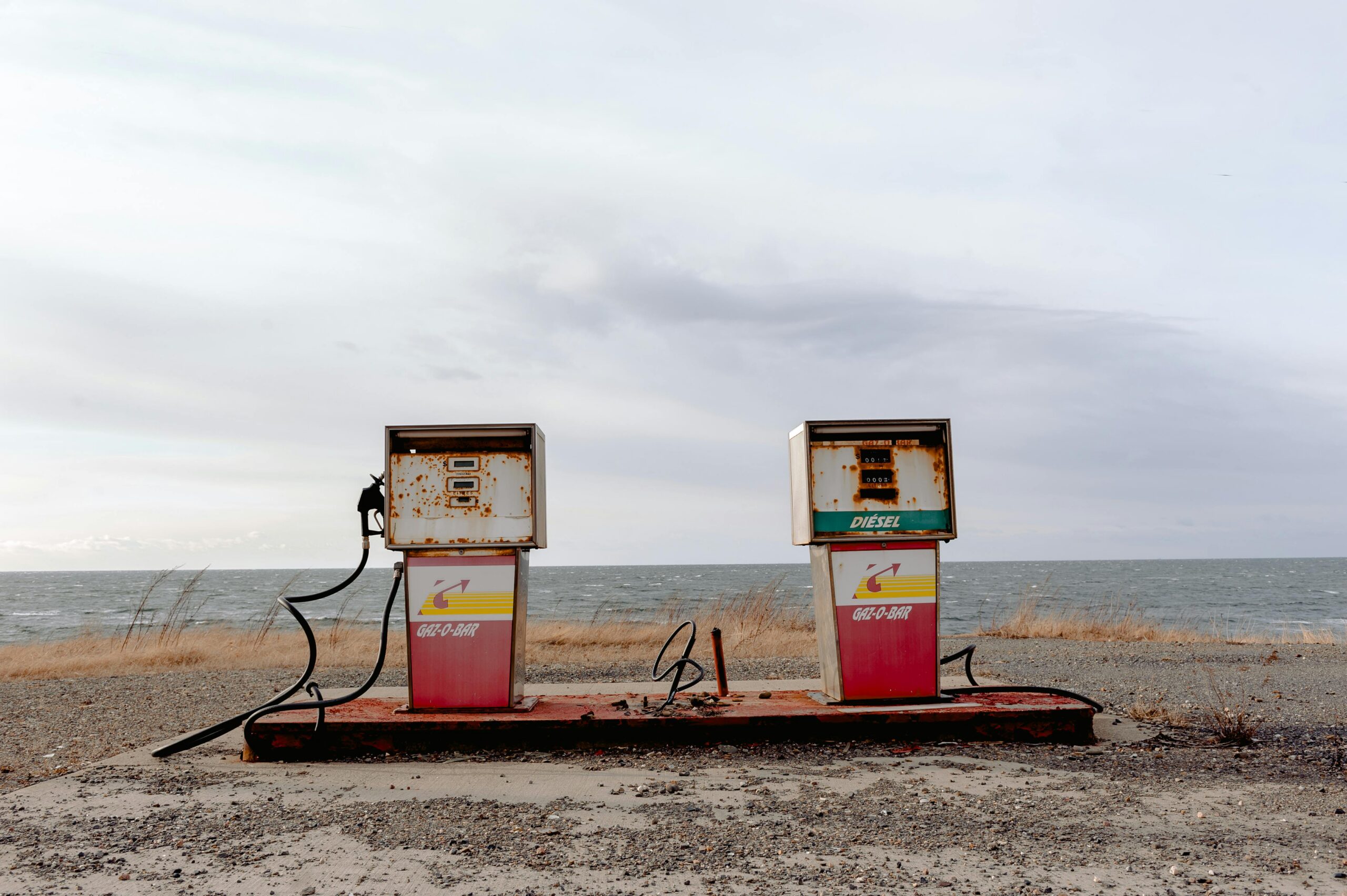
The Iran war should become a turning point for Australia’s approach to Economic Resilience. The creation of a federal Office of National Economic Resilience could safeguard our economic resilience in the future.
The US-Iran war has entered its fourth week, with no end in sight. While major US and Israeli airstrikes continue, Iran’s ability to attack strategic targets in its immediate vicinity and across the region with its own military and proxies persists. At the same time, it can be seen in real time how the dynamics of an ‘escalation trap’, where “a limited campaign gradually expands in scope, geography and stakes”, materialise.
In addition to attacking regional neighbours, Iran successfully closed the Strait of Hormuz, leading to increased disruptions to fuel and LNG supplies with global repercussions. This move was predicted and expected by military analysts and strategists, building on the lessons of the 1980s ‘Tanker Wars’ of the Iran- Iraq war of nearly 40 years ago. Blocking the Strait of Hormuz stops 20 per cent of global oil transit and has a similar impact on Liquefied Natural Gas (LNG), as Qatar accounts for about 20 per cent of the world’s LNG trade. This has had devastating consequences for countries across the globe. For example, India alone imports 40 per cent of its LNG needs from Qatar.
Australia at Risk
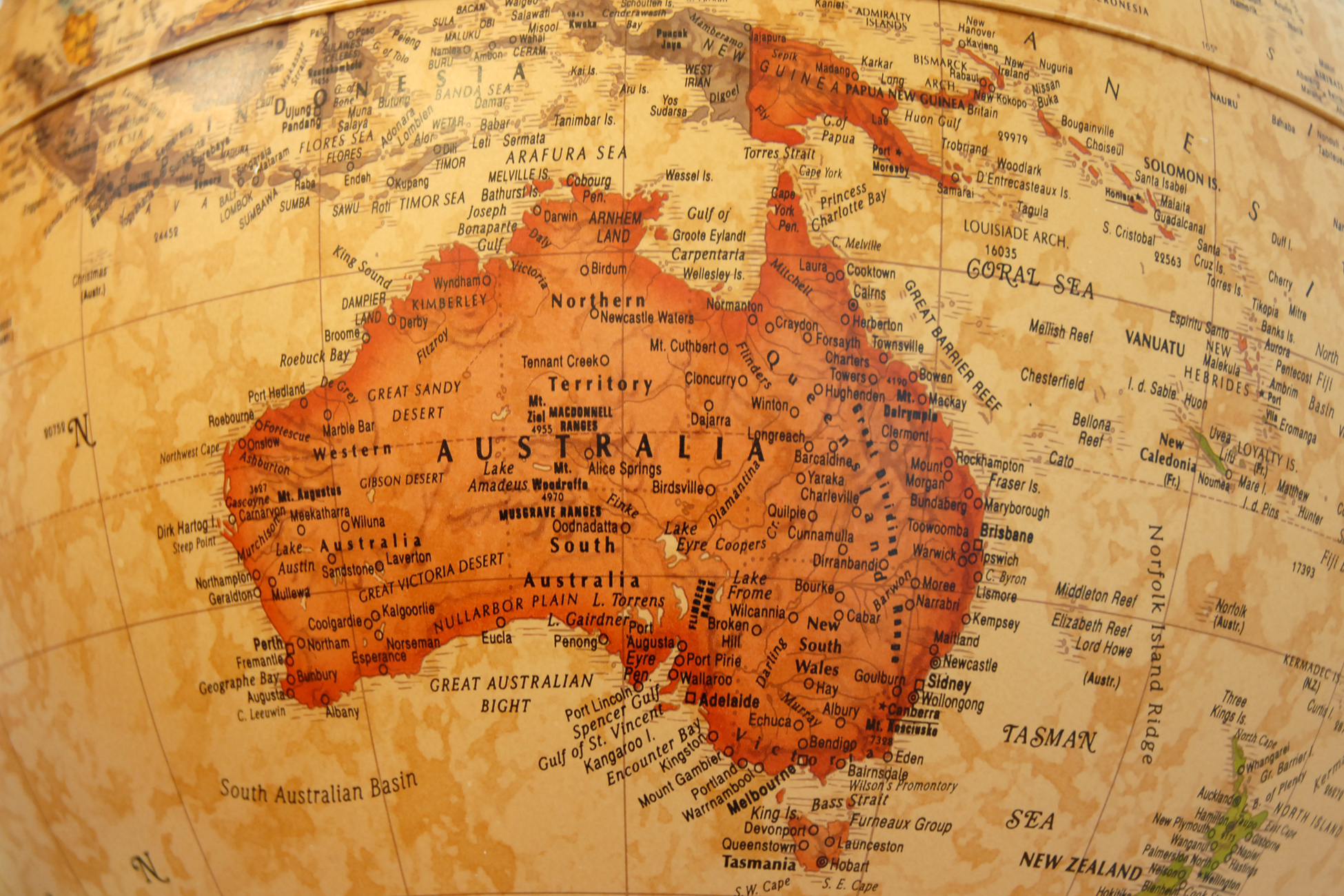
Australia is particularly vulnerable for several reasons: the first is that, as an island-continent, it relies heavily on the free flow of global shipping for its economy and connectivity. The import of all types of fuels is essential across all industries, including agriculture, aviation and private and public transport. This vulnerability is further worsened by its failure to safeguard fuel security. Australia has about 30 days of supply of refined liquid fuels (petrol, diesel and jet fuel) left, which is well below the 90-day minimum stock mandated by the International Energy Agency (IEA). It has only two oil refineries left, down from eight in 2005, which accelerates the current fuel crisis as those two refineries cannot produce more than 20 per cent of our overall needs.
Supply threats to our Liquid Fuel Security, a key aspect of energy security, have been recognised as a self-created national threat to the economic well-being for over a decade. Australia used to produce around 90 per cent of its liquid fuels in the early 2000s; today it imports more than 80 per cent of its fuels from Asia.
This blatant departure from fuel sovereignty and its impact on Australia’s energy security and, ultimately, its national security, has been at the centre of criticism levelled against successive governments of the day for their lack of strategic foresight. After all, no fuel means a breakdown in the military manoeuvrability and capabilities of our ADF, not to mention that our civil society’s resilience is threatened.
In 2013, Air Vice Marshall John Blackburn called out the risks of Australia’s Liquid Fuel Security and has been lobbying federal governments since 2014 to ease Australia’s fuel vulnerability. In 2019, a National Oil Supplies Emergency Committee ran a (classified) emergency response exercise in which a gradually escalating conflict in the Strait of Hormuz led to severe fuel shortages in Australia. In January 2026, Air Vice Marshall John Blackburn once again warned that the economics of the current fuel supply system from overseas came at the cost of “our security and resilience”.
Australia’s “food, water and medicine distribution is entirely reliant on imported transport fuel, the supply of which is operated on a “just in time” philosophy for logistical efficiency, making the current situation a serious economic and social disaster that has the potential to affect the domestic economy and security.
Turning Crisis into Economic Resilience
Much like how the COVID pandemic turned a crisis into economic resilience, the current fuel crisis should be seen as an opportunity to improve Australia’s economic resilience by establishing a whole-of-government solution to future fuel issues. This is a view shared by Vice Air Marshal (rtd) Andrew Dowse AO, with whom I discussed Australia’s exposure to geopolitical risks due to COVID-19. Together, we called for greater resilience in the face of supply chain risks and potential exploitation by malicious actors.
Echoing our discussion, this article calls for establishing a federal Office of National Economic Resilience to safeguard Australia’s economic future in an increasingly contested global order. At present, we see some immediate governmental responses, such as the release of funds from domestic reserves, the temporary relaxation of fuel quality standards, and the appointment of a fuel supply task force to enable a whole-of-government response at the horizontal and vertical levels. While laudable, these ad hoc responses do not address the crux of our vulnerability, namely the absence of Australian-produced fuels, which remain relevant even with the growth of renewables and the increase in EVs on our roads. Safeguarding our sovereignty over fuel and energy is key.
A federal Office of National Economic Resilience would be a dedicated agency tasked with safeguarding national economic resilience. Its mandate for planning and coordination across a whole-of-government effort, and the inclusion of the private sector, would add dimension to a whole-of-society/nation approach to economic resilience, mirroring such models applied in international policy and defence resilience. Its mandate would allow for midterm solutions to pressing economic needs and challenges, informed by economic intelligence to close existing resilience gaps through strategic investments and governmental initiatives (such as Australia’s Governmental Critical Minerals Initiatives) to safeguard Australia’s economic future. Coordination of policies to diversify dependencies and counter potential trade coercion and exploitation would add to the Office’s role in ensuring National Economic Resilience.
Now is the time to think about the next crisis and prepare accordingly.
Sascha-Dominik (Dov) Bachmann is Professor in Law and Co-Convener National Security Hub (University of Canberra), University of Canberra, and a Research Fellow with the Security Institute for Governance and Leadership in Africa, Faculty of Military Science, Stellenbosch University.
This article is published under a Creative Commons License and may be republished with attribution.