How a tiny island nation built one of Africa’s most effective systems for fighting piracy—and what it means for the Indian Ocean.
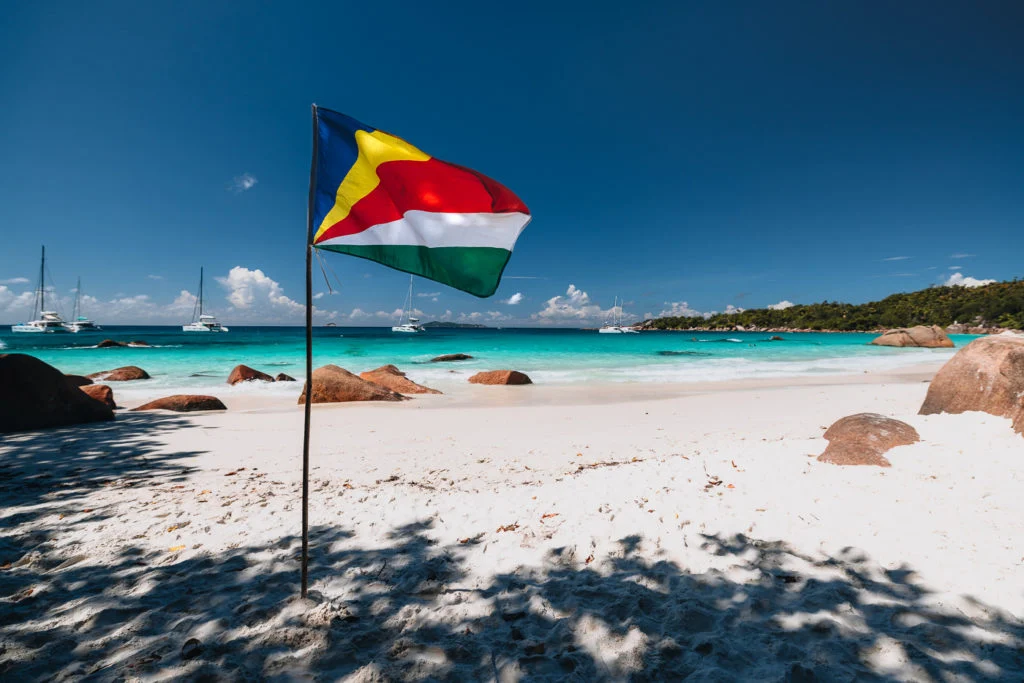
The Republic of Seychelles is a Small Island Developing State (SIDS) in the Indian Ocean. It comprises 115 islands and has a population of approximately 122,036. Around 86% of people live on Mahé, and around 11% live on Praslin and La Digue. Over the years, the country has made a significant contribution to maritime security in the Indian Ocean through sustained collaboration with other states and international organisations. As a piracy-prosecution state, Seychelles has played a pivotal role in advancing the piracy prosecution model and setting a precedent for other island states in the region.
In 2009, pirate attacks occurred within Seychelles’ Exclusive Economic Zone (EEZ). These attacks highlighted an emerging threat from Somali piracy to the country’s security and economy. At the time, countries such as the USA, Russia, China and India undertook counter-piracy initiatives; however, these states were generally unwilling to prosecute suspected pirates in their own jurisdictions. Seychelles responded by declaring its willingness to undertake piracy prosecutions, signing transfer agreements with several countries, and rapidly becoming a central prosecuting state in the Western Indian Ocean. In parallel, Seychelles also collaborated with the UN Office on Drugs and Crime and the European Union’s civilian mission, EUCAP Nestor, which provided capacity-building support through training, mentors and equipment.
In continuation of its efforts, the government drafted the Rolling Plan (2010–2040), known as the Seychelles Comprehensive Maritime Security Plan of Action. The plan articulated a long-term strategy to strengthen national capacity to address piracy and broader maritime security challenges. It detailed the capacities, equipment, and external aid the government would need to handle piracy more effectively. Seychelles prioritised self-reliance while continuing to engage international partners. This approach enabled the country to contribute meaningfully to regional burden-sharing while expanding opportunities for cooperation with other countries and international organisations. Between 2010 and 2015, Seychelles emerged as one of the most active counter-piracy states in the Western Indian Ocean. During this period, it prosecuted more Somali pirates than any other country in the region; it has tried 142 suspected pirates and convicted 138 on charges of piracy. By 2015, the prosecution model had gained international recognition, and the country began sharing lessons with other West African countries, such as Togo, Ghana and São Tomé and Príncipe, which were seeking to strengthen their capacity to prosecute.
Seychelles further reinforced its role through initiatives such as the establishment of the Regional Fusion and Law Enforcement Centre for Safety and Security at Sea (REFLECS3) and the training of police officers at the University of Seychelles. The Republic of Seychelles also serves as the principal Global Maritime Crime Programme (GMCP) regional training hub in the Western Indian Ocean. This centre delivers advanced and specialised courses, including modules on best practices for national trainers and on the detection of radiological and nuclear materials. In 2024, GMCP’s partnership with the government of Seychelles was expanded through the establishment of a regional Maritime Rule of Law Centre of Excellence (MROLCOE), offering a new specialised course curriculum intended to broaden the professional skills within regional MLE institutions and serving as a hub bringing together a wide range of specialised skills needed to counter maritime crime.
Seychelles also plays a key role in the regional maritime security architecture of the Western Indian Ocean. The Regional Coordination of Operations Centre (RCOC) is based in Seychelles. It works towards conducting joint naval operations, coordinating with the Regional Maritime Information Fusion Centre based in Madagascar, collaborating with national centres and international liaison officers, and providing operational and administrative support.
In 2024, the anti-piracy operation undertaken by the Seychelles Special Forces and Coast Guard rescued a Sri Lankan fishing vessel hijacked by armed Somali pirates. In this joint effort between the Seychelles military forces and the Sri Lankan Navy, six Sri Lankan nationals aboard the hijacked vessel were successfully rescued. The Seychelles forces led the operation from the Coast Guard vessel, Topaz. The operation demonstrated the effectiveness of sustained training, preparedness, and a willingness to act decisively.
Over the years, Seychelles has been an example-setter for other regional states. It shows that a SIDS with limited capacity can also make a difference. Since the emergence of piracy in the region, Seychelles has seized the opportunity to contribute and share the burden. It has developed into a successful piracy prosecution state, a hub for training centres, a model for other island states, and a self-reliant capacity to address piracy crimes. It had a vision, and it achieved it by becoming a major contributor to maritime security in the Western Indian Ocean region. Indeed, it has received international capacity-building assistance, but one cannot ignore Seychelles’ willingness to learn and contribute, as reflected in its ongoing efforts. In the present, when piracy risks have re-emerged in parts of the Indian Ocean and the Red Sea, Seychelles’ self-reliance approach is a timely lesson in how SIDS can contribute and collaborate as security providers rather than remain dependents.
Ms Vrinda Malik is a Ph.D. Research Scholar at the University of Delhi specialising in South Asian security, Indian Ocean geopolitics, and the foreign and security policies of Indian Ocean island states. She has experience in policy research, rapporteurship, and multilateral dialogues, including UNU and UNITAR platforms. Her work focuses on concise, evidence-based analysis on maritime security, human security, and regional power dynamics for academic, diplomatic, and policy-oriented audiences.
This article is published under a Creative Commons License and may be republished with attribution