Recent crises show how quickly smaller states can be drawn into conflicts they neither choose nor control. Many have responded by seeking gains from great‑power competition, but the “gains‑maximising” hedging often raises the stakes and ultimately increases vulnerability.
Great‑power rivalry is reshaping the strategic environment, and smaller states such as Australia are increasingly exposed to its pressures. A dangerous structural power transition is underway, and for states without the weight to influence it, the risks are becoming existential. Recent crises — from Georgia and Ukraine to the Middle East and the South China Sea — show how quickly smaller states can be drawn into conflicts they neither choose nor control. Many have responded by seeking gains from great‑power competition, but this “gains‑maximising” hedging often raises the stakes and ultimately increases vulnerability.
A different approach is needed. Risk‑mitigating hedging — built on diversification, strategic restraint, and the cultivation of fallback options — offers smaller states a more sustainable way to preserve autonomy as rivalry intensifies. This is not a call for neutrality or disengagement. Rather, it is a recognition that in a volatile strategic environment, ambitious bets can backfire and entanglement can occur far more quickly than policymakers anticipate.
The power struggle among the major players is no longer abstract. US–China competition in the Indo‑Pacific and the Russia–West confrontation in the post‑Soviet space now define the international system. The US National Defence Strategy Commission has already warned that America “might struggle to win, or perhaps lose, a war against China or Russia,” especially if forced to fight on multiple fronts. This is the classic danger zone of a power transition: rising powers confident enough to challenge the status quo, and established powers anxious enough to push back.
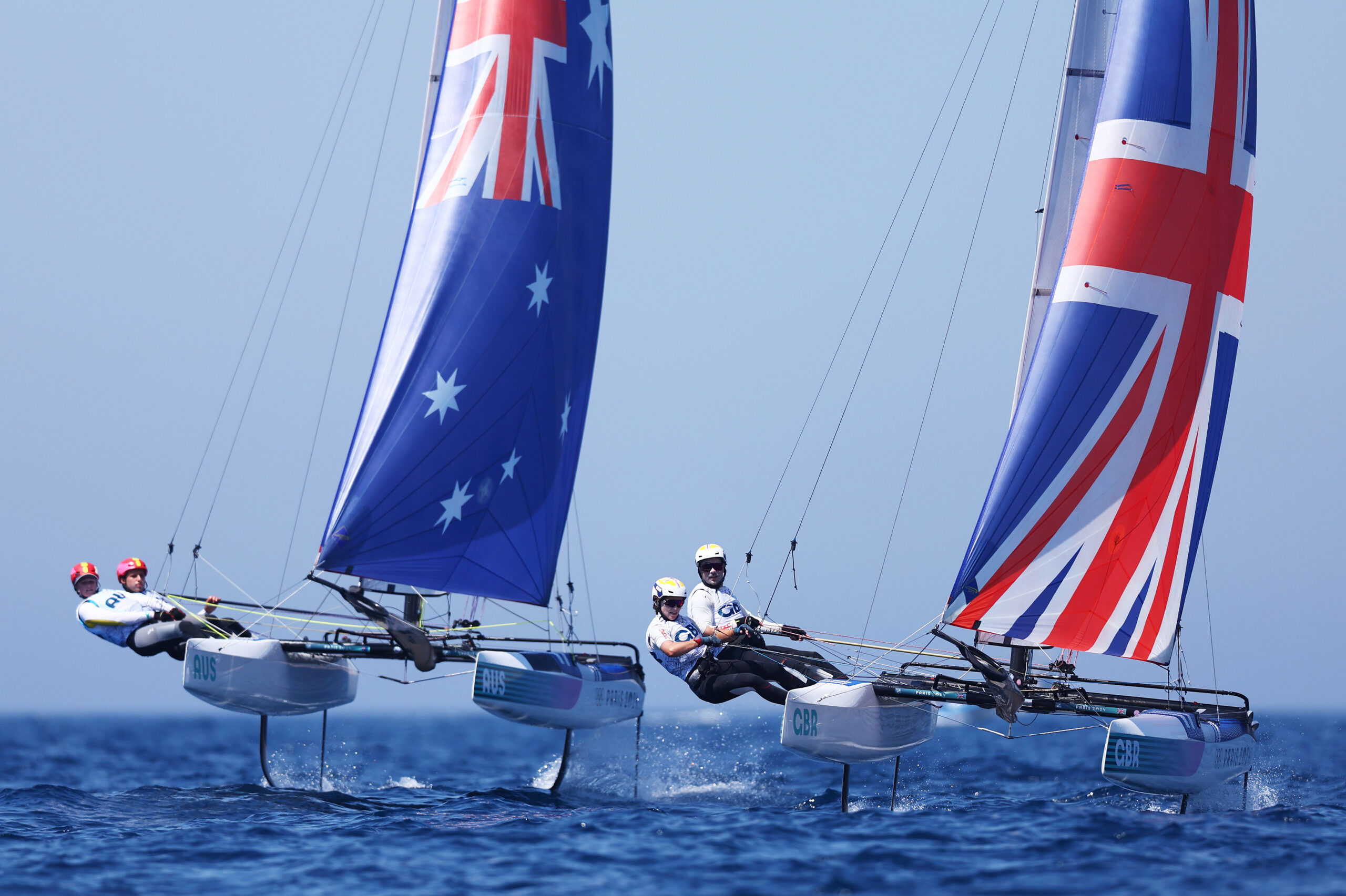
In this environment, smaller states are the most exposed. They cannot shape the trajectory of great‑power rivalry, yet they bear its consequences most directly. Georgia and Ukraine illustrate how quickly local disputes can be absorbed into systemic competition. The Philippines has repeatedly found itself pulled into the US–China contest in the South China Sea. Even Australia — geographically distant from Eurasian flashpoints — has experienced punitive economic coercion and heightened strategic pressure.
Yet smaller states are not passive objects. Some navigate rivalry more successfully than others, and the difference often lies in the strategies they adopt. Malaysia, Vietnam, and Kazakhstan have preserved strategic agency despite intense pressure. They have avoided sharp binaries, resisted the temptation to enlist one great power to solve problems with another, and maintained diversified relationships across multiple partners. This has not insulated them from risk, but it has reduced the likelihood of punitive reactions and preserved room to manoeuvre. By contrast, other states — Ukraine, Georgia, and at times the Philippines — have found themselves in situations where local disputes were drawn into the orbit of great‑power confrontation, leaving them trapped in escalatory dynamics they could not control.
This comparative evidence underscores the value of risk‑mitigating hedging. It differs sharply from gains‑maximising hedging, which seeks to leverage great‑power competition by engaging deeply with one power on issues the other sees as sensitive or threatening, in the hope of extracting advantages. In a period of heightened rivalry, such strategies can narrow options and increase exposure. Risk‑mitigating hedging, by contrast, aims to preserve autonomy and reduce vulnerability as systemic pressures grow.
A risk‑mitigating strategy has four core components.
First, cautious self‑assessment. Smaller states must recognise the limits of their agency and the constraints imposed by great‑power rivalry. This does not mean fatalism; it means strategic restraint and a realistic understanding of what can and cannot be influenced. Second, engagement in lower‑stakes, non‑contentious issues. Smaller states should hedge their economic and security bets while avoiding issue areas that sit at the heart of great‑power competition. Elevating local disputes to the systemic level is a recipe for entanglement.
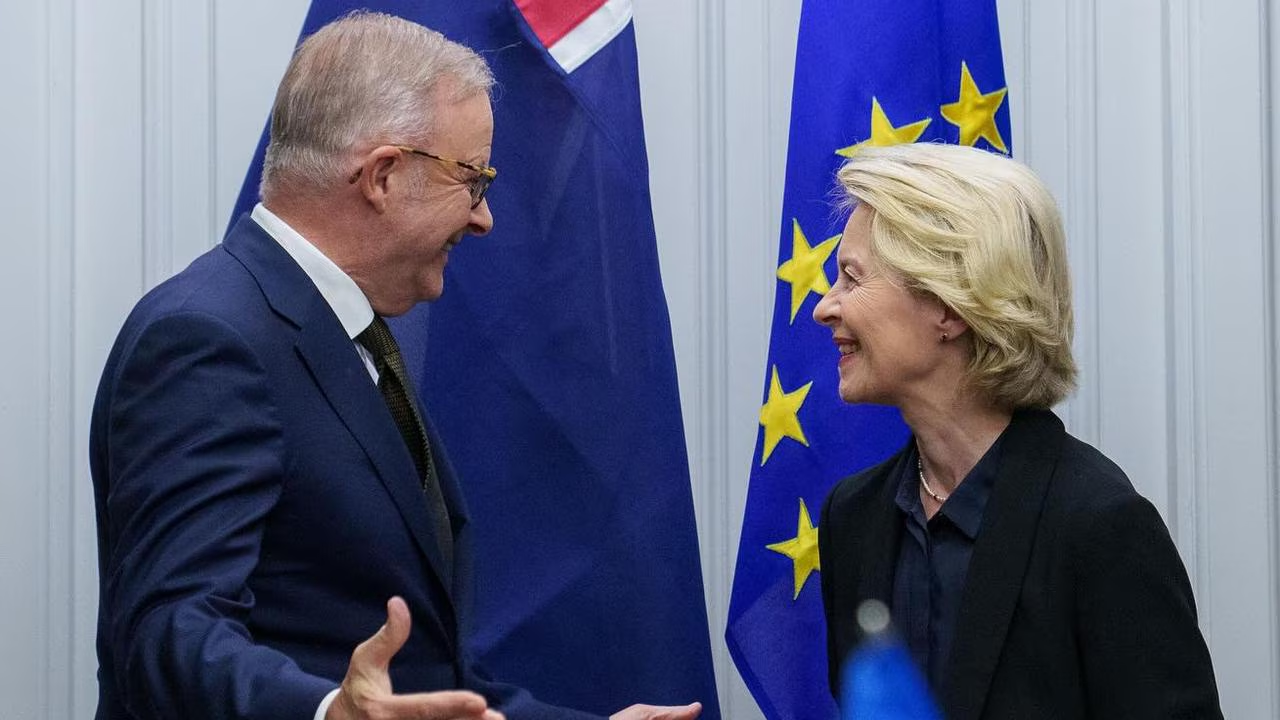
Third, diversification. Broad and balanced ties across multiple powers and institutions reduce dependence on any single actor and help avoid binary choices. Extra‑regional partners — Japan, South Korea, India, the EU, and middle powers in Southeast Asia — can play a crucial role in widening strategic options.
Fourth, scepticism about security assurances. Alliances with great powers have a mixed record of providing protection. Everything depends on the situational interests of the great powers themselves. Donald Trump’s transactional approach to US allies is a reminder of this. While previous administrations also calibrated their commitments according to US interests, Trump made this conditionality far more explicit — pressing allies to increase defence spending, signalling reduced willingness to underwrite European security, and framing support for partners in Asia as contingent on their contributions to US strategic goals. His renewed focus on burden‑sharing and a more selective approach to alliance obligations has reinforced this pattern, as illustrated by reports that Washington sought advance assurances from Australia on how it might respond in a hypothetical US-China conflict – a request Canberra publicly declined. This underscores how exposed smaller states remain to the shifting priorities of great powers, and why cultivating fallback mechanisms involving multilateral formats — diplomatic, economic, and security‑related — helps spread risk and reduces vulnerability.
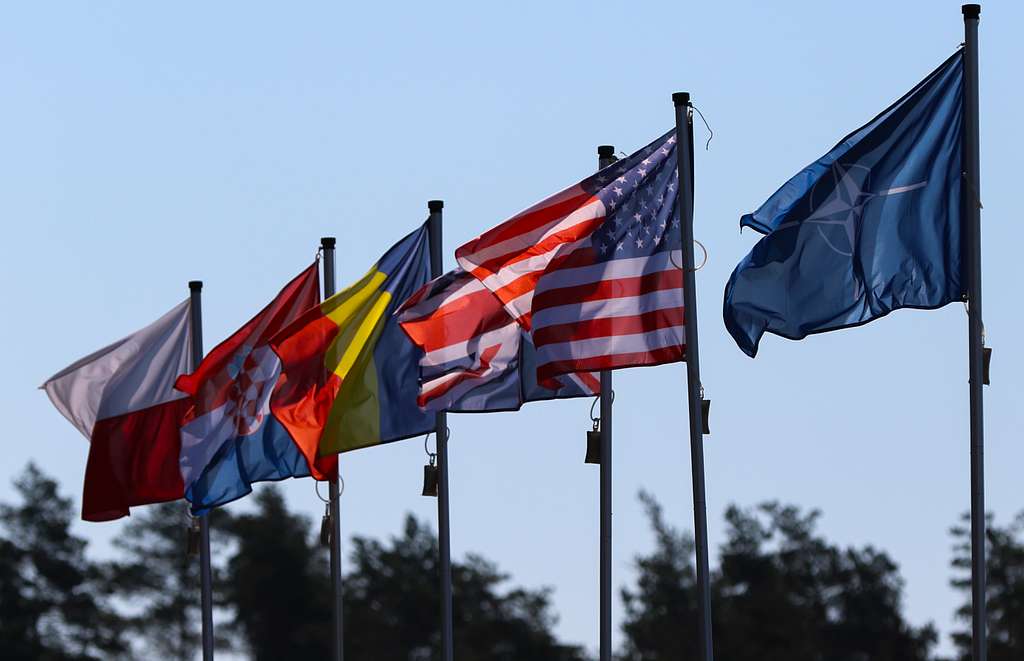
For Australia, adopting a risk‑mitigating hedging strategy does not mean abandoning the US alliance or retreating into isolation. But it does require recognising that a hypothetical US–China war for global dominance is not Australia’s war. Issues not directly tied to Australia’s immediate interests should be deprioritised. AUKUS, in this context, is a double‑edged sword. It is intended to deter potential Chinese aggression, yet it also increases Australia’s salience as a strategic target precisely by deepening Australia’s role in the US effort to contain China. Beijing’s view of AUKUS as a “critical step by the US to construct an Asia‑Pacific NATO” reflects that. Alliances are most effective when they enhance agency, not when they lock smaller states into escalatory dynamics.
As competing great powers increasingly securitise the behaviour of smaller states, risk‑mitigating hedging offers the best chance of navigating the binary without being consumed by it. Australia cannot change the structural forces driving the US–China rivalry, but it can choose how to position itself within them. Preserving autonomy, avoiding unnecessary entanglement, and maintaining diversified strategic options will be essential for surviving a world on fire.
Dr Alexander Korolev is a Senior Lecturer in Politics and International Relations in the School of Social Sciences, Faculty of Arts, Design, and Architecture, at the University of New South Wales, Sydney. He received an MA in International Relations from Nankai University, Zhou Enlai School of Government, and a PhD in Political Science from the Chinese University of Hong Kong. His research interests include international relations theory and comparative politics with special reference to China and Russia, great power politics, and China-Russia-US relations. He can be reached at: a.korolev@unsw.edu.au. For more information, visit: https://research.unsw.edu.au/people/dr-alexander-korolev
This article is published under a Creative Commons Licence and may be republished with attribution.