The US‑Israel–Iran conflict is centred on large‑scale, coordinated American and Israeli strikes intended to degrade Iran’s nuclear, missile and proxy capabilities and topple the regime, met by Iranian missile and regional proxy attacks that risk widening into a prolonged regional war and further disrupting global energy flows.
The current conflict in the Strait of Hormuz has already disrupted global tanker traffic, stranding vessels and halting Gulf transits within 36 hours of initial strikes.
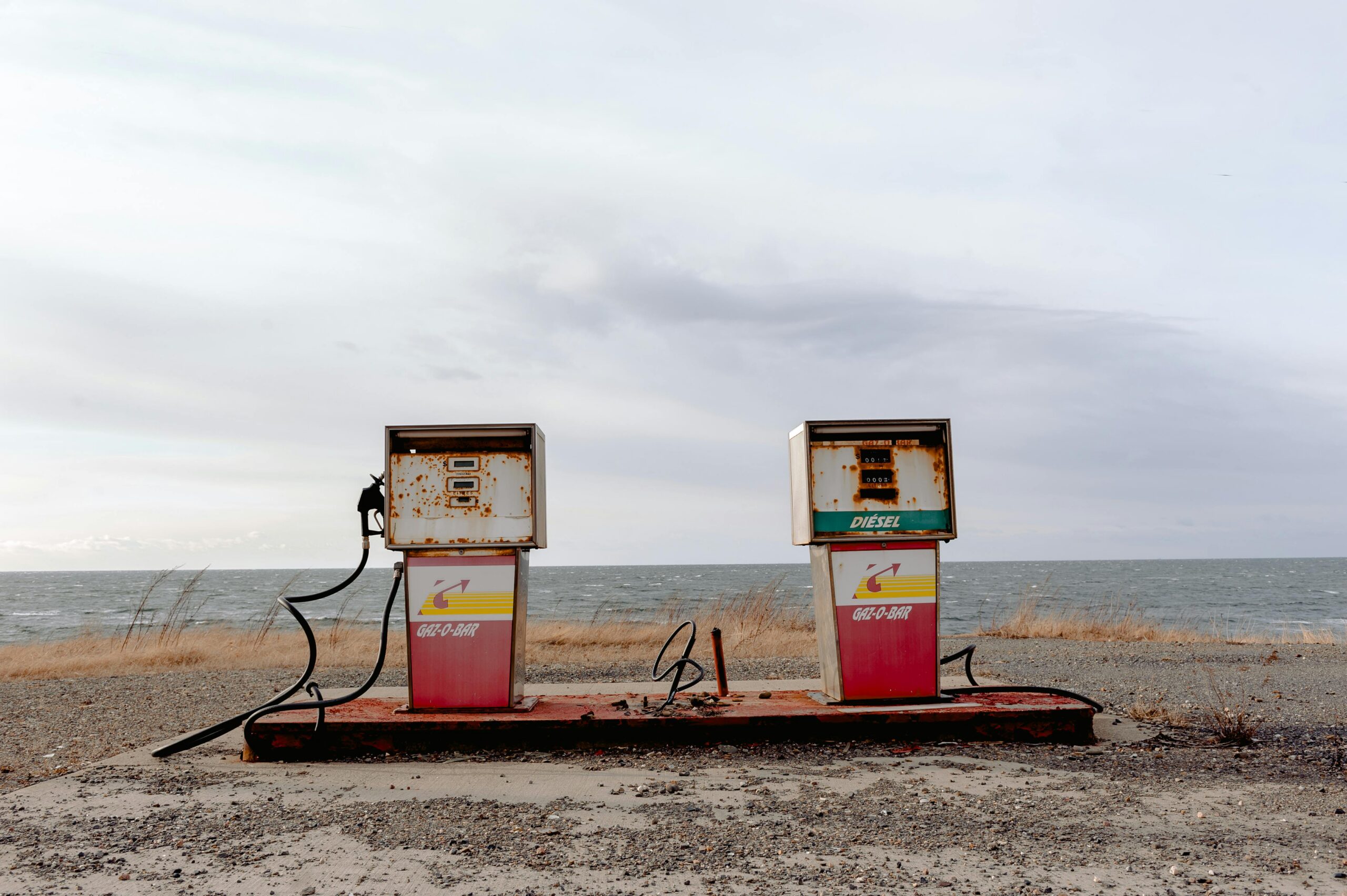
This conflict may sit outside the prescribed ideas of Australia’s region of strategic interest, but it illuminates the national vulnerabilities of Australia. The nation faces acute fuel insecurity, with government data revealing just 36 days of petrol reserves – well below international benchmarks, exposing households to immediate cost-of-living shocks from rising import prices. This crisis shatters the myth of Australia as a “distant rampart,” revealing instead a nation utterly dependent on the sea as the medium of the sea-based global operating system.
Iranian Conflict and Fuel Disruption
Iranian reactions have transformed the Strait of Hormuz into a war zone, with attacks on tankers forcing shipping giants to suspend Gulf operations. This critical chokepoint will now see plummeting traffic, as refineries shut and gas fields go offline, directly threatening 37 per cent of Australia’s diesel imports from the Middle East. The Albanese Government has outlined that current fuel stockpiles provide only 36 days before shortages potentially undermine transport, agriculture, and emergency services. This vulnerability stems from Australia’s near-total reliance on seaborne energy imports and a limited domestic refining capacity – leaving the nation exposed to distant disruptions that translate into domestic scarcity within weeks. To recall Paul Dibb, the map of Australia is the most fundamental of all national security documentation, yet deep strategic thinking and planning have long ignored this Achilles heel.
Australia’s Maritime Interdependence
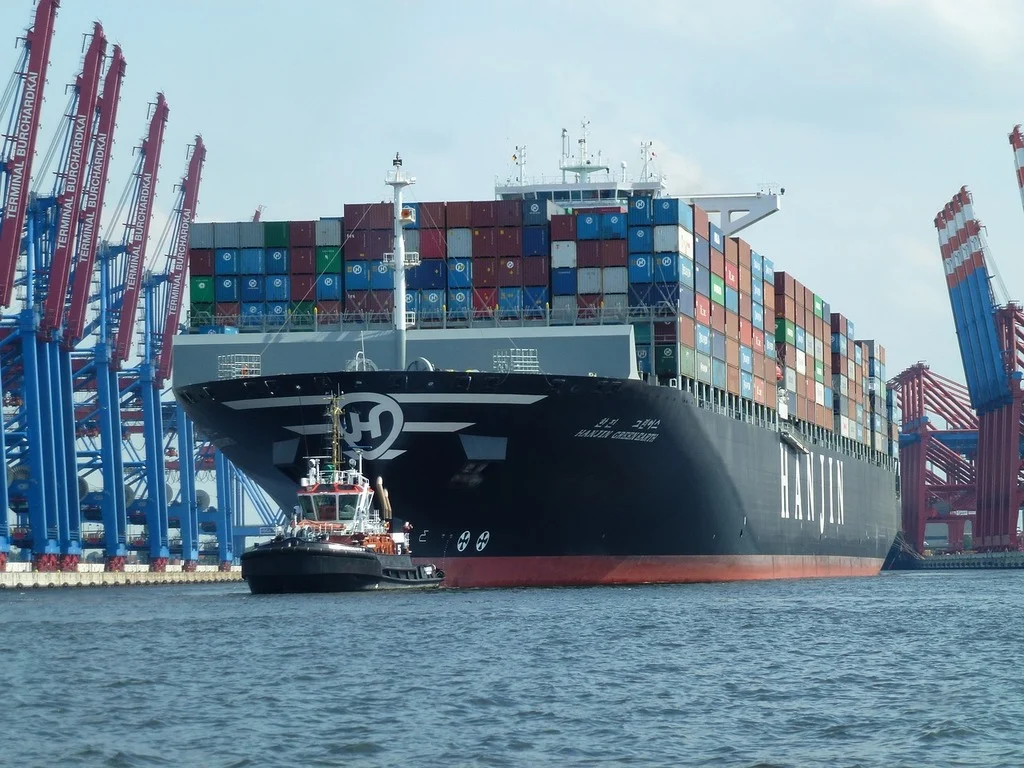
Australia’s identity, prosperity, and security are profoundly maritime, with 99 per cent of trade by volume and almost all international digital connectivity is carried by subsea cables. Consequently, the country is not buffered from systemic shocks but sits at the fragile end of long, contested supply chains. Key maritime nodes such as Port Hedland and Melbourne anchor an annual seaborne trade task of around AUD804 billion – nearly half of GDP – while Australia’s own trading fleet remains small, with just 136 vessels and only a handful over 2,000 tonnes. In this sense, the sea functions as the global operating system that enables everything from critical minerals exports to iPhones and even Vegemite, but it also externalises risk: when global arteries seize, Australia chokes.
Maritime commerce depends on protection in an uncertain international system, which still resonates, but for Australia, that obligation now spans far more than naval power. Keeping trade, energy, and data moving requires a coordinated national approach: strategic diplomacy to shape a stable operating environment, economic policy that builds resilient supply chains and port infrastructure, intelligence and law‑enforcement agencies that secure borders and disrupt coercive activity, and cyber and critical‑infrastructure capabilities that safeguard undersea cables and digital flows. Naval forces remain central, but they operate as part of a wider, whole‑of‑government system that protects the maritime foundations of Australia’s prosperity.
National Security Implications
Two‑thirds of the earth is water, and those waters tie every nation’s fate to forces beyond its shores. Maritime space is not a boundary; it is the central artery of global commerce, energy, and strategic competition. The current conflict demonstrates a fundamental truth: even distant instability can transmit immediate economic and security shocks across oceans. While Iran may be geographically far from Australia, a comparable crisis closer to home – within the Indo-Pacific would have far more direct and potentially catastrophic consequences.
The 2024 National Defence Strategy gestures toward seaborne dependence but fails to integrate economic security with maritime defence. Australia confronts a four-ocean proposition: the access of the western approaches is currently compromised, northern approaches are anarchical with resource predation and disruptive on-water militia action. Small states in the eastern approaches are not immune from multiple security challenges and vulnerable to Indo-Pacific rivalry. Australia’s southern waters are close in geography but distant in imagination – neglected despite ecological and climatic importance. Great-power competition is evolving; China and Russia view the region as integral to strategic competition.
Maritime pressure, economic coercion, and infrastructure vulnerability are now persistent features of the environment, not hypothetical contingencies. Equally, subsea cable protection and offshore infrastructure defence must be treated as core national security functions, not peripheral technical concerns. Debates over naval investment reveal misplaced pessimism. Critics argue that major surface combatants are not the solution, overlooking their indispensable role in trade and supply protection. It is a simplistic technical argument that overlooks that sea power was never just about warships. For Australia, maritime capability is not discretionary – it is existential.
Vulnerability and Required National Action
Australia is a maritime middle power whose survival depends on seaborne trade, yet it has minimal sovereign shipping, shallow fuel reserves measured in weeks, and trade arteries that run 10,000 kilometres from home – distance offers no protection. Australia’s vulnerability is not primarily military but systemic, spanning supply chains, energy security, shipping access, and critical infrastructure, and it cannot be remedied by episodic procurement cycles or platform‑centric debates.
National action demands the grammar of a coherent strategy that overcomes short‑termism, fiscal risk aversion, and policy silos. National options include integrating strategic fleet development and sovereign shipping, domestic fuel security and refining resilience, hardened and monitored subsea infrastructure, and diversified trade routes and supply chains.
Geography dictates character, and Australia’s must be maritime: persistent presence, credible deterrence, economic redundancy, and strategic foresight. The lesson from Iran is not about the Middle East itself, but about interconnection in a world where oceans bind rather than separate, and where Australia’s security begins and ends at sea.
Dr Sean Andrews, CSC, is a retired Royal Australian Navy officer and maritime strategist, currently Senior Fellow at the Strategy, Statecraft and Technology – Changing Character of War Centre, Pembroke College, Oxford University. He has led Australia’s Sea Power Centre, commanded ADF operations in the Middle East, and publishes widely on Indo-Pacific sea power, maritime security, and the global oceanic order.
This article is published under a Creative Commons License and may be republished with attribution.