At first glance, the current crisis involving Iran has generated a familiar interpretive reflex: that the recent American and Israeli military actions are wholly unjustified, the product of adventurism rather than necessity. This framing, now prevalent across much of the commentary, offers moral clarity but little analytical depth.
It rests on a flattening of the problem, treating the present escalation as a discrete event detached from the broader strategic trajectory that made it conceivable.
Yet the reality is more complex. The present confrontation cannot be meaningfully understood without disentangling two distinct but interrelated dimensions: the cumulative strategic challenge posed by Iran over several decades, and the specific policy choices that have shaped the current escalation. Collapsing these into a single narrative—whether of unprovoked aggression or inevitable reaction—obscures more than it reveals.
In this sense, the debate over whether recent military actions were “justified” is, to a large extent, misframed. Iran was not targeted for a singular action, but for what might be described as the totality of its strategic posture. Since 1979, the Islamic Republic has combined ideological hostility, regional activism, and military innovation into a durable model of influence projection. Its ballistic missile development, its extensive use of non-state proxies across the Levant and the Gulf, and its sustained rhetorical hostility toward Israel have not emerged episodically, but constitute core features of the regime’s identity.
For Israel, this cumulative posture has long represented a permanent strategic dilemma. Iran’s regional network—extending through Lebanon, Syria, Gaza, and beyond—has effectively embedded pressure points along Israel’s immediate periphery. The events of 7 October 2023, and the subsequent destabilisation of the regional security environment, appear to have reinforced a long-standing Israeli assessment: that Iran’s hybrid warfare architecture, while resilient, is not immutable. The so-called “12-day war” marked a first phase in degrading this system. From this perspective, subsequent actions can be interpreted less as opportunistic escalation than as an attempt to consolidate and extend that degradation before Iran could reconstitute its capabilities.
The American calculus, while overlapping, is not identical. For Washington, Iran has represented a persistent strategic challenge since the revolution, but not necessarily one requiring immediate regime change. The objective has been more limited, if no less consequential: to constrain and weaken a long-standing adversary whose regional behaviour, nuclear trajectory, and ideological orientation have consistently undermined U.S. interests. Under Donald Trump, this logic appears to have been coupled with a broader strategic consideration that remains underappreciated in much of the current debate—namely, Iran’s position within an emerging Eurasian alignment.
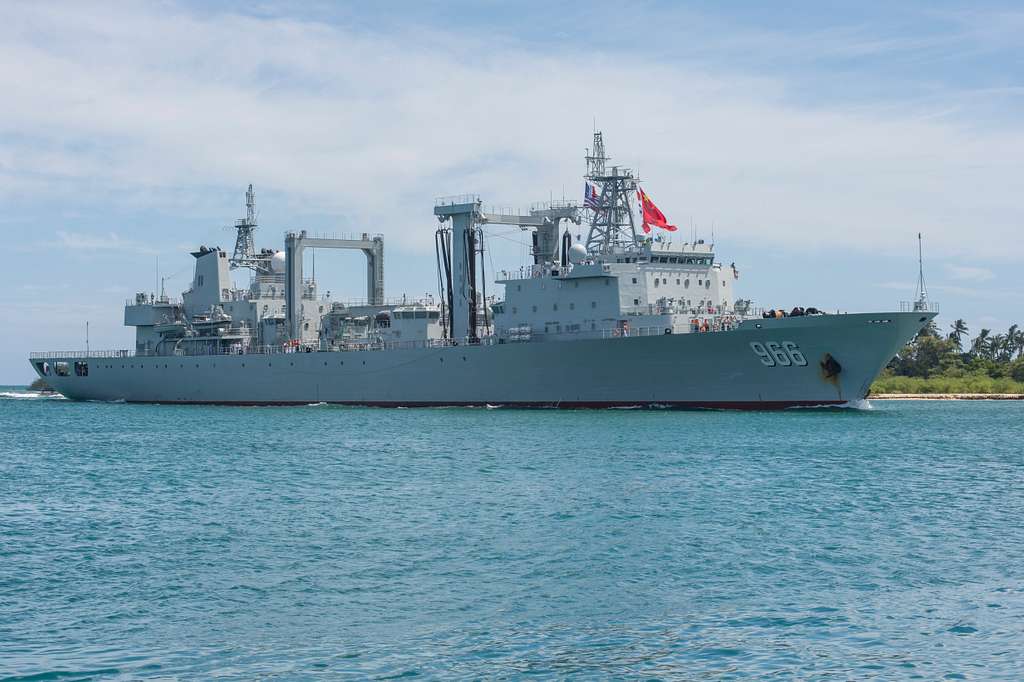
Iran today is not an isolated actor. Its deepening strategic partnership with China, formalised in the 2021 cooperation agreement and reinforced through expanded technological and military collaboration in 2025, situates it within a wider architecture of influence. Its integration into forums such as BRICS+ and the Shanghai Cooperation Organisation reflects a gradual repositioning toward a non-Western strategic bloc. From this vantage point, weakening Iran is not solely about addressing a regional adversary; it is also about disrupting a single node in a broader network through which China projects influence into West Asia, particularly in the energy sector and along critical transit corridors associated with the Belt and Road Initiative.
None of this, however, absolves Western or allied policymakers of responsibility for the dynamics of escalation. The collapse of the Joint Comprehensive Plan of Action (JCPOA), whatever its initial limitations, removed a framework that had at least partially constrained Iran’s nuclear activities. Subsequent policies have oscillated between pressure and ambiguity, often without a clearly articulated end-state. The result has been a pattern of incremental escalation in which signalling, deterrence, and coercion have not always aligned coherently.
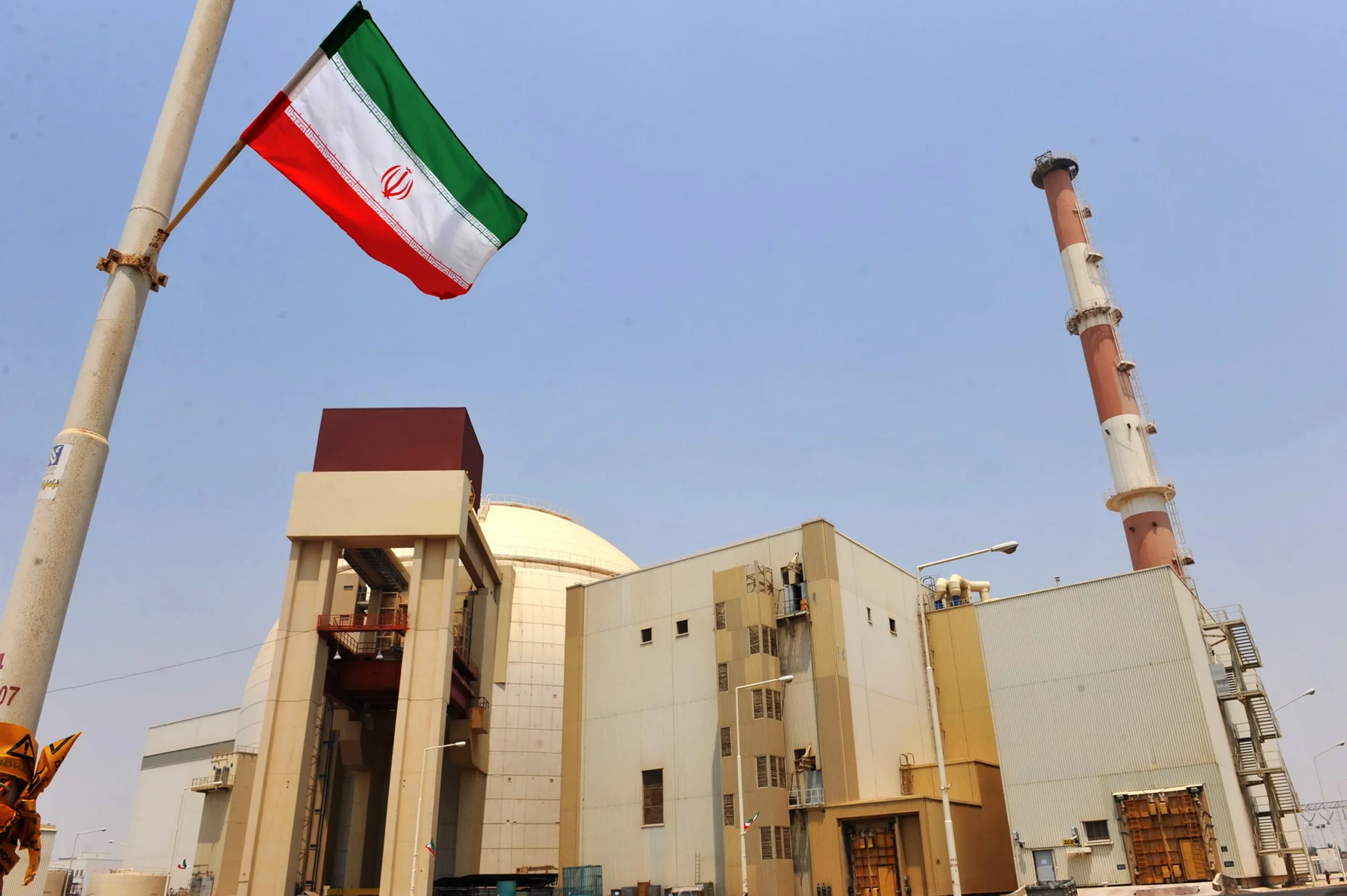
At the same time, the Iranian nuclear programme itself remains a central source of strategic concern—not because it has definitively crossed the threshold into weaponisation, but because of its persistent ambiguity. Developed in secrecy until its exposure in 2002, the programme has long occupied a grey zone between civilian and military potential. Iran’s enrichment of uranium to levels exceeding 60 per cent—an unusual practice for a state without declared military nuclear ambitions—has intensified these concerns. Moreover, the involvement of the Islamic Revolutionary Guard Corps in overseeing key aspects of the programme raises further questions about intent, particularly given the regime’s simultaneous insistence on its exclusively peaceful nature.
The ambiguity is not incidental; it is structural. It enables Iran to advance its technical capabilities while preserving a degree of deniability, complicating both diplomatic engagement and deterrence strategies. From a regional perspective, this ambiguity generates acute instability: it shortens breakout timelines, raises the risk of miscalculation, and increases incentives for pre-emptive action by concerned actors.
It is within this context that appeals to international law, while important, reveal their own limitations. The absence of explicit United Nations Security Council authorisation or a clearly demonstrable imminent threat complicates any straightforward legal justification for the use of force. Yet the application of legal standards in international practice has rarely been consistent. Interventions in Kosovo or Libya proceeded under similarly ambiguous legal circumstances, and were nonetheless tolerated—if not endorsed—by significant segments of the international community.
More fundamentally, the invocation of legal norms in this case sits uneasily alongside the nature of the regime it seeks to protect. Iran’s record—ranging from systematic human rights violations to support for non-state armed groups and repeated breaches of international commitments—complicates the moral clarity of purely legal critiques. This does not render legal arguments irrelevant, but it does suggest that they cannot, on their own, capture the full strategic and political context in which decisions are made.
The greater analytical risk lies in reductionism. To portray the current conflict as either wholly unjustified or wholly necessary is to obscure the interaction between structure and agency, between long-term strategic realities and short-term policy choices. Both dimensions matter, and both can generate outcomes that are at once understandable and problematic.
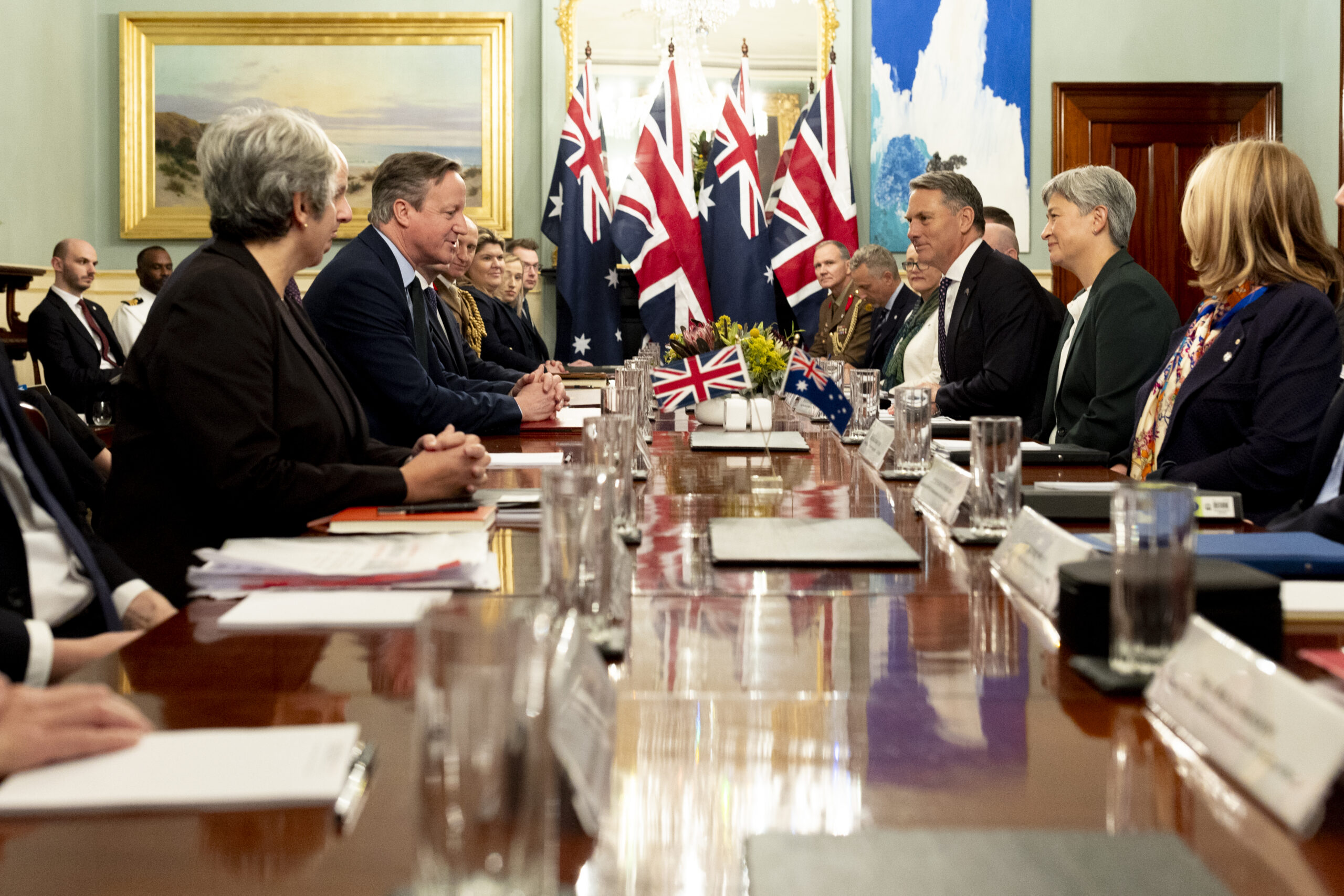
For middle powers such as Australia and Canada, this complexity has practical implications. Navigating such crises requires more than alignment with established positions; it demands an ability to hold multiple analytical layers simultaneously. Recognising the legitimacy of underlying security concerns need not entail endorsement of specific military actions. Conversely, critiquing escalation dynamics should not lead to dismissing the structural challenges that give rise to them.
In an international environment increasingly shaped by overlapping rivalries and diffuse threats, the capacity to resist simplistic narratives is itself a strategic asset. The case of Iran illustrates this clearly. It is not a question of choosing between competing moral absolutes, but of understanding how enduring strategic tensions and contingent policy decisions intersect—often in ways that defy easy categorisation.
Restoring nuance to this debate is not an exercise in equivocation. It is a prerequisite for any serious effort to navigate the complexities of contemporary geopolitics.
Dr Pierre Pahlavi is a full professor at the Royal Military College of Canada in the Department of Defence Studies, co-located with the Canadian Forces College, Canada’s Staff and War College. His research focuses on Iran and its asymmetric strategies, public diplomacy, and the use of force in the international system. He has published in various journals in strategic and security studies and has recently published a book in French on the Iranian revolution, Le Marécage des Ayatollahs, prized by the Académie française. He has a PhD in political science from McGill University, Montreal, Canada.
This article is published under a Creative Commons License and may be republished with attribution.