As election officials completed the final count on the night of February 12, the scale of Bangladesh’s political transformation became unmistakable. However, despite such a dramatic shift, Bangladesh remains at a critical crossroads.
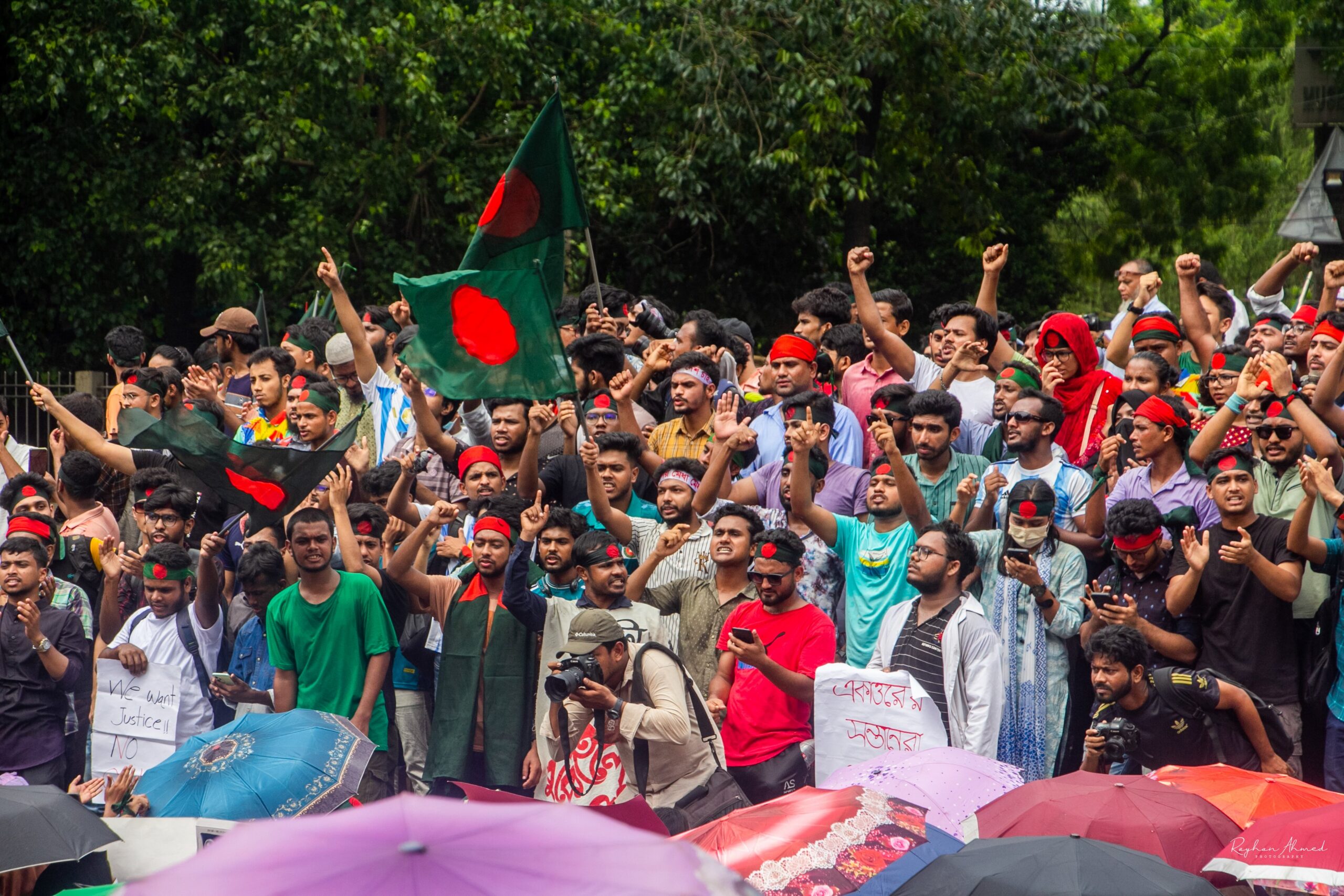
The Bangladesh Nationalist Party (BNP) had secured a commanding two-thirds majority with 209 seats in the 299-member parliament, while the Jamaat-e-Islami-led alliance emerged as the principal opposition with 77 seats. The election, held simultaneously with a constitutional referendum for reformations; which saw a 60.26 percent voter turnout with the “yes” vote winning a clear majority; marked Bangladesh’s first competitive national vote since the student-led uprising of July 2024 toppled Sheikh Hasina’s 15-year authoritarian rule. For the world, the question is not merely who won, but whether this transition represents genuine democratic renewal or risks renewed instability, and what its implications are for regional diplomatic alignments in the Indo-Pacific.
The Voters Mobilise
The election itself was administered competently. Voter turnout reached 59 percent, a significant increase from the previous parliamentary election, and Election Day was largely peaceful despite isolated incidents. These are not small achievements for a nation emerging from decades of disputed polls and political violence. Yet beneath the procedural success lie deeper structural fragilities. The political environment remains polarised. The pre-election period saw hundreds of violent incidents across multiple districts, though they appeared localised rather than centrally coordinated. More significantly, the ban of the Awami League in May 2025, the party that ruled for fifteen years, from contesting the election resulted in a political environment in which not all political preferences were represented on the ballot.
The election results reveal a fundamental reconfiguration of Bangladeshi politics. The BNP’s victory was widely expected, but the scale of the victory surprised many. The party swept even traditional Awami League strongholds. More striking was the performance of the Jamaat-e-Islami-led alliance, which secured 77 seats, nearly quadrupling the party’s previous best parliamentary showing of 18 seats in 1991. For a party whose registration was cancelled in 2013, whose top leaders were executed following war crimes trials, and which spent more than a decade barred from electoral politics, this represents a remarkable resurrection. Jamaat’s student wing swept university union elections, and its alliance with the youth-based National Citizen Party (NCP), which won six seats, signals a strategic effort to woo Gen Z voters. The NCP’s trajectory, however, illustrates the complexities of this transition. Born from the Students Against Discrimination movement that led the 2024 uprising, the party struggled to translate street legitimacy into electoral viability. After joining the Jamaat-led alliance, several progressive figures resigned, disillusioned by the partnership with Islamists.
A Difficult Inheritance for the Interim Government
The interim government led by Nobel laureate Muhammad Yunus, which assumed office after Hasina’s ouster, inherited institutional wreckage from fifteen years of executive dominance.
Under the interim administration, civil society and the media have faced significant challenges. In December 2025, protesters set fire to the offices of Bangladesh’s two largest newspapers, Prothom Alo and The Daily Star, trapping journalists inside and forcing a temporary halt to their operations. Many journalists have reportedly curtailed their movements or stopped going to work altogether amid accusations of affiliation with the previous regime. At the same time, the role of the media under the newly elected government increasingly appears to be aligning with those in power, raising concerns about the independence of the press during this political transition.
BNP inherits a fragile economy. Growth has slowed to around five per cent, inflation remains close to double digits, and foreign exchange reserves, once above $45 billion, have fallen to roughly $20 billion in recent years. The garment sector, which generates more than 80 per cent of Bangladesh’s export earnings, also faces uncertainty amid global economic pressures. The BNP’s manifesto promises ten million new jobs and a trillion-dollar economy by 2040. Yet the party also carries reputational baggage. Although it says it has expelled hundreds of members over corruption allegations, avoiding a repeat of past governance controversies will be essential to maintaining public trust.
A New Shift in Foreign Policy
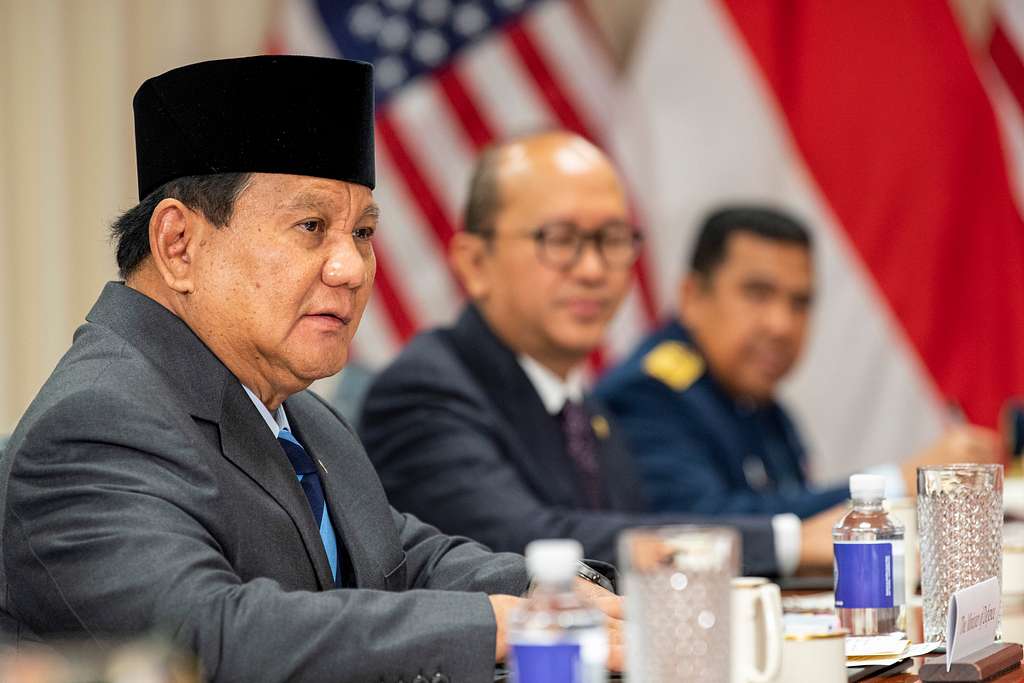
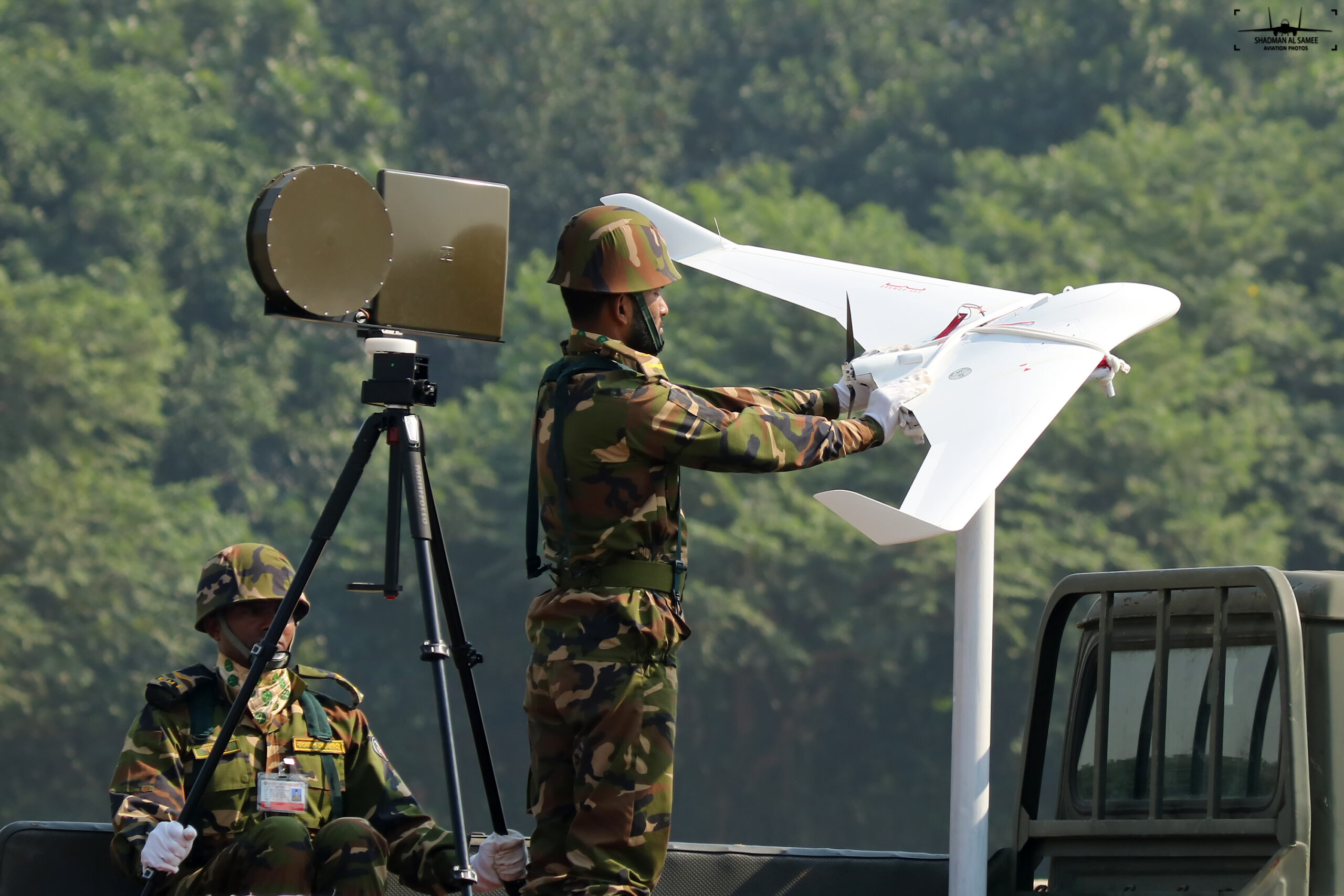
The February 2026 election marks not merely a change of government in Dhaka but a potential recalibration of Bangladesh’s foreign policy orientation. The BNP’s “Bangladesh First” approach that prioritises greater strategic autonomy and signals a shift away from the close alignment with India that characterised the Hasina government.. The party has formally called for the extradition of Sheikh Hasina from India, where she remains in exile.. The new government has already indicated that it seeks constructive relations with all countries while prioritising Bangladesh’s national interests. India has extended substantial support to Bangladesh through development financing and infrastructure projects over the years. Yet anti-India sentiment, particularly among younger protesters who drove the 2024 uprising, has grown, fuelled by perceptions that New Delhi supported Hasina’s increasingly authoritarian rule. China has moved to deepen its engagement with Bangladesh following the political transition. Since Hasina’s ouster, Beijing has signed a defence agreement to build a drone factory near Bangladesh’s border with India, and Chinese companies have invested hundreds of millions of dollars. Sino-Bangladeshi ties are set to intensify under the BNP.
While ties with China may strengthen, Bangladesh’s geographic and economic interdependence with India means that closer relations with Beijing are unlikely to come at the expense of ties with New Delhi. The United States has also sought to engage. Biman Bangladesh Airlines’ planned procurement of Boeing aircraft reflects a broader pattern of purchase diplomacy aimed at narrowing the trade gap. Meanwhile, the Rohingya crisis continues to complicate Bangladesh’s foreign policy environment. The country hosts more than one million Rohingya refugees, and their repatriation remains politically necessary but practically difficult while Myanmar remains engulfed in civil war.
For India, this transition requires adjusting to a Bangladesh that raises legitimate grievances while maintaining functional cooperation. For China, it opens space for deeper economic and defence engagement but also carries expectations of tangible benefits. For the United States, it offers an opportunity to reset ties after years of strained relations though Washington will need realistic expectations about Bangladesh’s multi-alignment strategy. For Pakistan, it enables cautious normalisation after decades of frozen ties. For Myanmar, the unresolved Rohingya crisis remains a persistent challenge with no easy solutions.
The Bay of Bengal is emerging as a critical arena for Indo-Pacific competition, with Bangladesh sitting at its centre. A stable, democratically consolidated Bangladesh would strengthen the rules-based order in the region. The students who led the uprising of 2024 risked everything to bring down an autocratic rule won an opportunity to reshape their country’s future. Whether that translates into durable transformation depends on what the new government does now.
Looking Forward
The February 2026 election represents an important step towards a democratic renewal. The conduct of the election was broadly credible and the restoration of multiparty competition after years of disputed polls is significant. While citizens have rejected autocratic rule, the long-term success of this democratic revival will depend on more than the electoral outcome. It will require stable governing institutions, a resilient economy, and careful balanced foreign policy.
The students of the 2024 uprising who risked everything to bring down an autocrat did not win everything they wanted. But they won a chance. Whether that chance translates into durable democratic transformation depends on what the new government does now with its massive mandate, its complex inheritance, and the eyes of the world watching.
Rabiul Alam is an award-winning Bangladeshi journalist based in Dhaka. He reports on human rights, environmental issues, and foreign affairs. His work has appeared in international outlets including The Hindu, EJN, IJNet, and Querier International, among others. Rabiul is among the youngest Bangladeshi journalists to contribute regularly to international media. He won the UNICEF Meena Media Award 2023 and graduated from the Asian College of Journalism, India.
This article is published under a Creative Commons License and may be republished with attribution.