The 25th anniversary of the Women, Peace and Security (WPS) Agenda is a timely reminder for us to critically assess how far we have come in recognising and responding to the gendered nature of security.
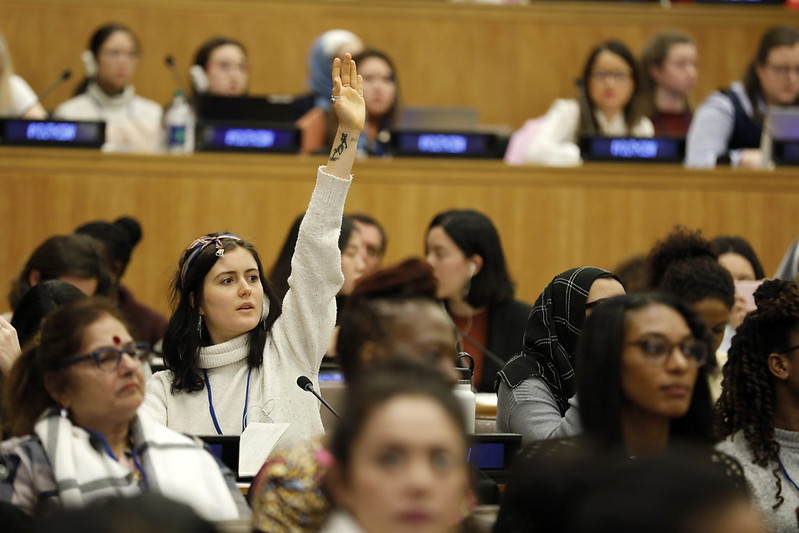
UN Security Council Resolution 1325 was passed in 2000 and acknowledged that conflict and war have a disproportionate impact on women and girls. Because of this, special effort is needed to be taken to ensure the protection of women and girls from violence and their participation at all levels of decision-making related to security issues. Nine resolutions have subsequently been passed, which reinforced the importance of understanding gender when discussing peace and security.
The WPS Agenda, as these resolutions are often called, has helped foreground the unique experiences of women in conflict and provided impetus for countries to assess how they respond to the different needs of women and men. The agenda is wide-reaching, with 115 states including Australia, as well as regional organisations, now launching national actions plans for its implementation.
While the WPS Agenda has been moderately successful in addressing the various impacts of conflict on men and boys versus women and girls, it has been less effective at illuminating the gendered nature of security threats themselves. There remains a myopic focus on the gendered impacts of violence only once a conflict has begun. This overlooks the main types of threats that Australia will face in the coming years.
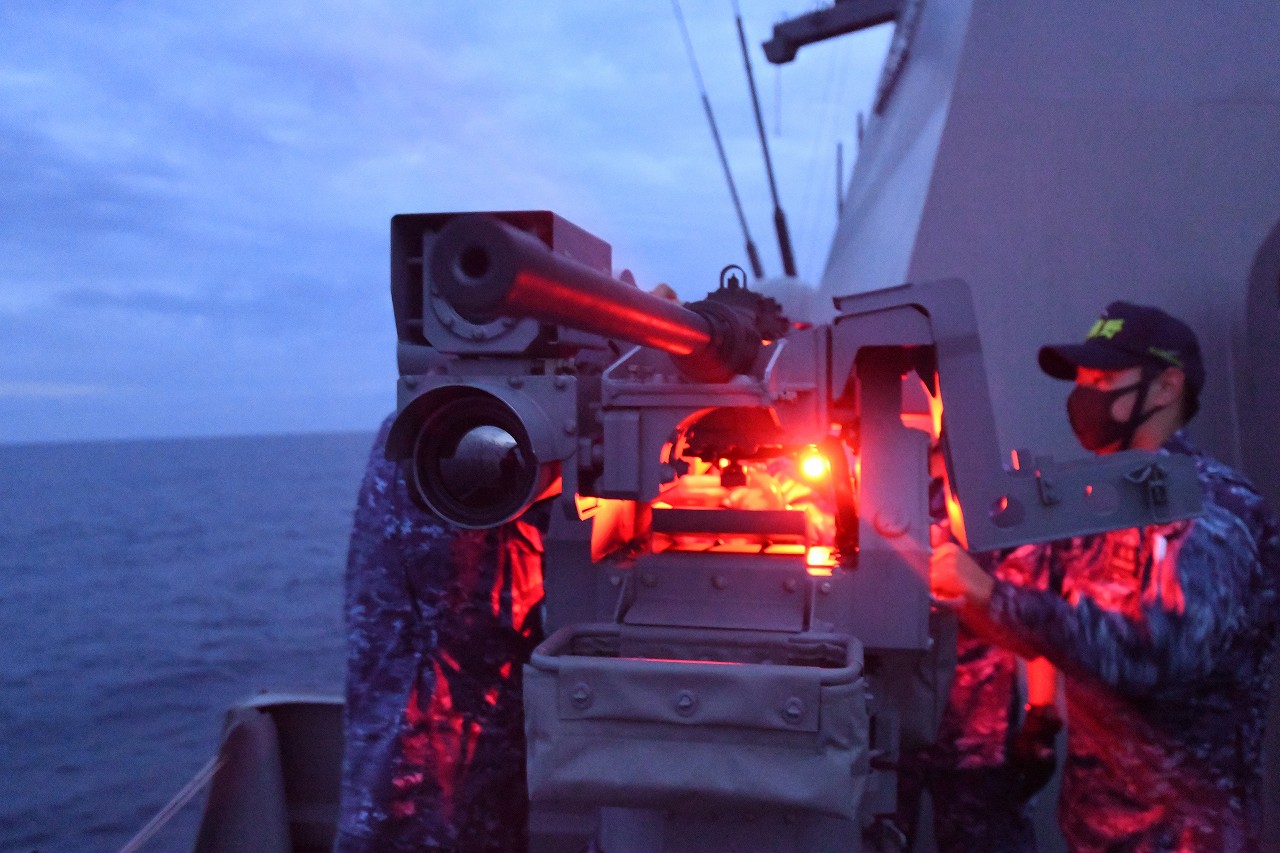
The emerging era of great power competition has seen states turn towards hybrid or “grey zone” warfare that often bypasses soldiers and security personnel to target the civilian population. ASIO’s 2025 Annual Threat Assessment noted that the next five years will see Australia’s security environment become more dynamic, diverse, and degraded. Rather than clearly bounded security challenges, threats to Australia and the Western world more broadly, will increasingly target the population.
Malicious actors now use foreign interference, mis-and dis-information, and the propagation of extremist ideologies to undermine social cohesion and trust in democratic institutions and to promote communal violence. Just as with more traditional forms of conflict, these threats are deeply gendered nature. Democratic institutions, such as the one in Australia, are particularly vulnerable to gendered disinformation. Such campaigns may seek to undermine democratic institutions by leveraging gender norms that inflate the legitimacy of the male candidates while portraying female candidates as unqualified, untrustworthy, and overly emotional. Female candidates, public figures, journalists, and advocates may also be directly targeted by online smear campaigns and subjected to gendered abuse. This silences women’s voices and limits their access to, and influence in, political spaces. It also skews political narratives to influence people to vote for candidates who may favour foreign interests.
Social cohesion is also deeply vulnerable to gendered attacks. Misogynistic narratives target existing fissures in social and economic systems, and Australia is no exception. Misogynist actors blame the collapse of “traditional” values and gender roles for rising inequality. One study found that 17% of Australian men believe gender equality efforts have gone too far and now negatively impact men, causing a crisis of masculinity. A 2025 survey of 2,048 Australians found that 30% of Australians believed that there was a “war on men” while 28% thought gender equality didn’t make sense given basic biological differences between men and women. Furthermore, men with rigid stereotypes of masculinity were 17 times more likely to say they have physically hit their partner. Yet even though 1 in 3 women in Australia have experienced physical violence, the impact of this on social cohesion is routinely overlooked.
Most obvious is the key role that gender plays in extremist ideologies. Misogyny is a thread that runs through almost every extremist ideology, from the far left to the far right. Multiple studies found that misogyny predicts violent extremist intentions. Worryingly, research in Australia found that the most prevalent type of violent extremist attitude was anti-feminist violent extremism. 19% of male respondents felt that it was acceptable to use violence to resist feminism.
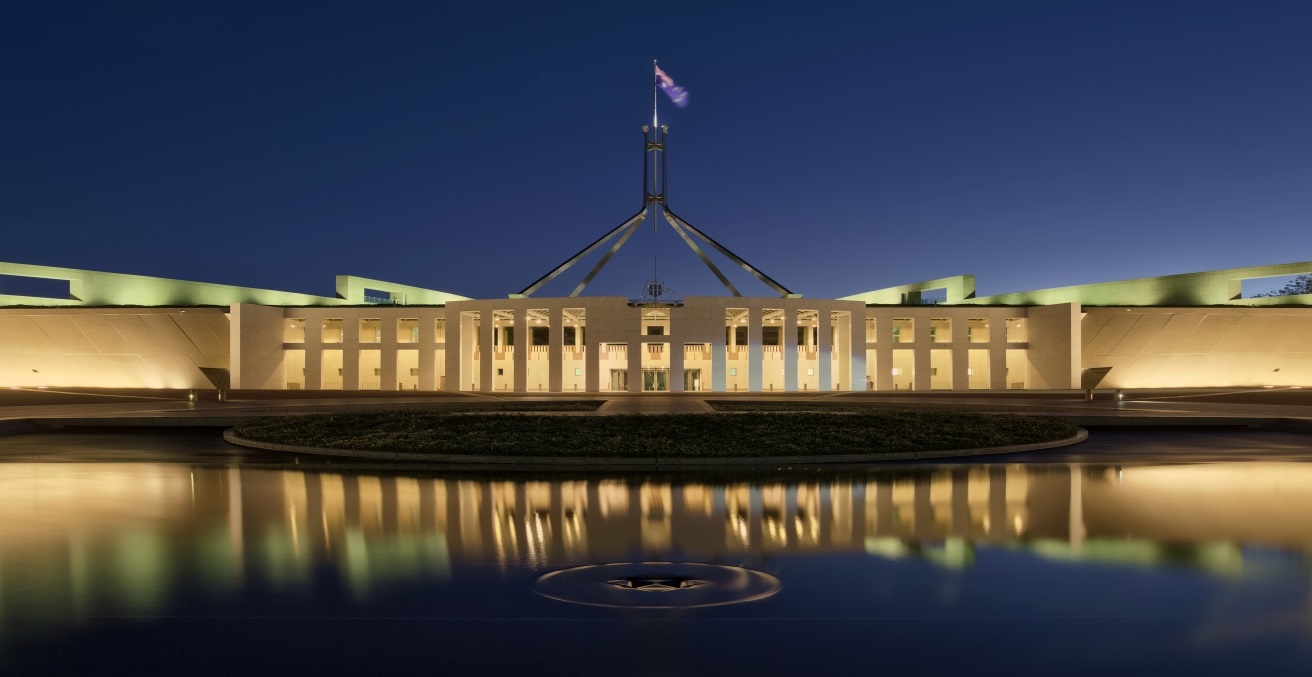
Even though national security threats clearly have a gendered character, Australia continues to treat the WPS Agenda as only applicable outside of its borders, rather than recognising gendered insecurity as a domestic issue. The country’s second National Action Plan, released in 2021, focuses on “gender equality in fragile and conflict-affected contexts”. As a result, government departments such as the Departments of Defence and Foreign Affairs and Trade (DFAT) respectively focus on actions Australia can take abroad to support WPS. However, key security documents such as the 2023 Defence Strategic Update and 2024 National Defence Strategy fail to mention gender or WPS.
After 25 years, the WPS Agenda has had undeniable benefits; but in Australia – as in many other countries – progress has been limited to acknowledging and addressing the varied impacts of security threats on different genders. More work needs to be done to understand and address the gendered nature of the security itself. Only then will we be able to ensure that our responses to these threats are protecting everyone at risk.
Dr Shannon Zimmerman is the Deputy President of Women in International Security – Australia Inc. (WIIS-A) and a Lecturer in Strategic Studies at Deakin University. Her research investigates the peace operations, specifically the protection of civilians in conflict environments characterised by asymmetric threats. She also studies misogyny motivated terrorism, looking at the online groups in the “Manosphere”.
This blog is part of a joint series between AIIA and WIIS-A, which aims to elevate the work of female and gender-diverse individuals in the field of international affairs.
This piece is published under a Creative Commons License and may be republished with attribution.