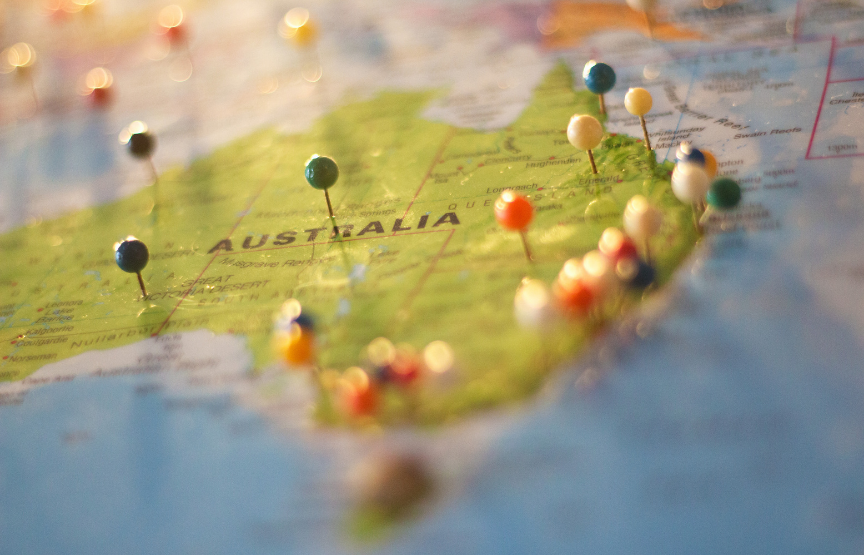
Australia’s Strategic Choices in a Disrupted World
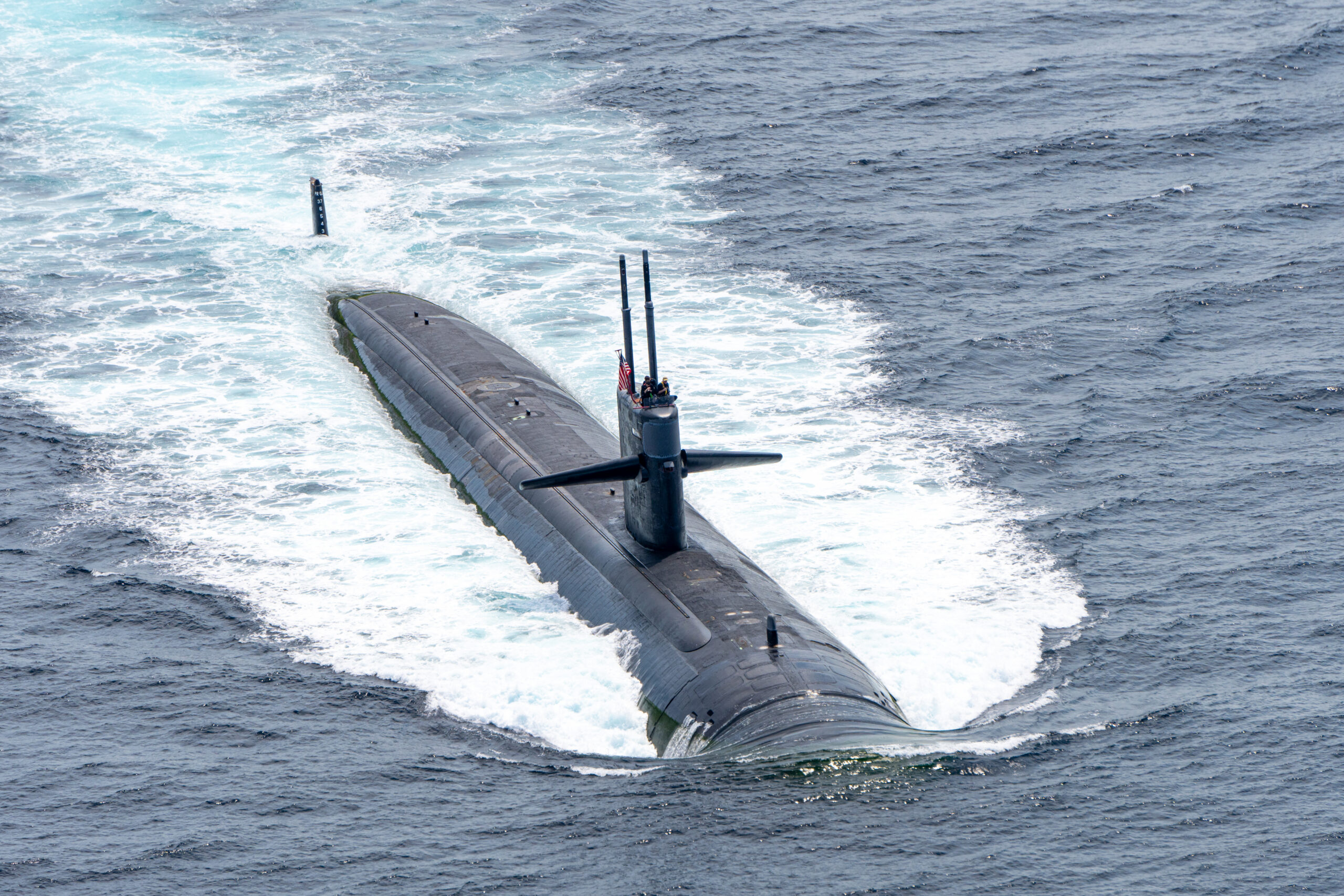
The assumptions that have underpinned Australian foreign and security policy are being shaken by great-power rivalry, an increasingly unpredictable United States and a rapidly changing Indo-Pacific. How effective are our diplomatic and military establishments at charting a course in this new world? How much can Australia still rely on its traditional strategic settings? Where should it be prepared to act more independently? What risks come with deeper alignment with the United States, and what risks come with greater autonomy? How should Australia deal with China while strengthening relationships across the region? And what sort of power does Australia now want to be?
Middle Powers and Alliances in an Age of Disruption
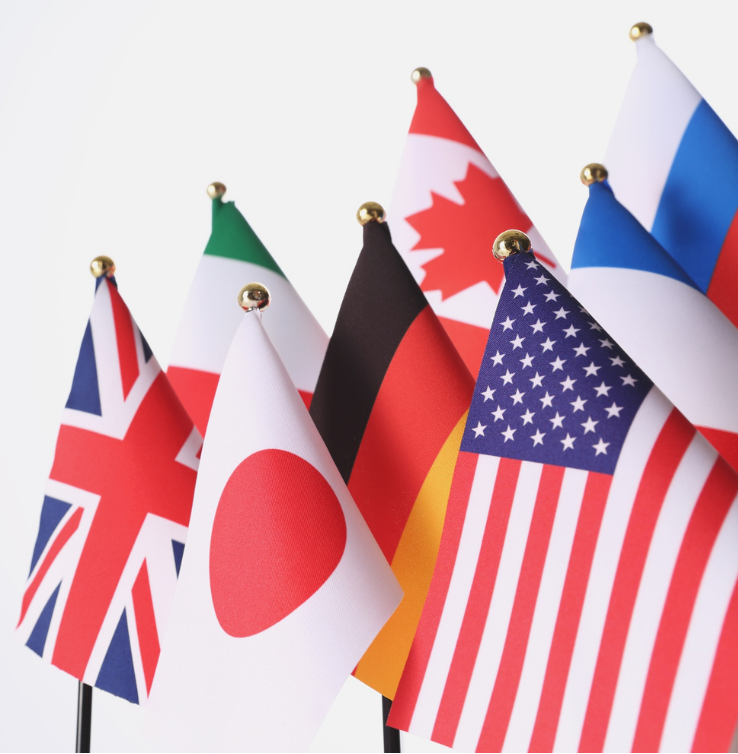
America’s alliances have long rested on assumptions about US leadership, reliability and shared strategic purpose. What happens when those assumptions become less certain? Can alliances survive a more transactional United States? Are America’s allies increasingly caught between their roles as loyal allies and autonomous middle powers? How much room do countries such as Japan, Korea and Canada have to pursue their own interests when these diverge from Washington’s? Can allies strengthen ties with one another without weakening the US-led system? And what would an alliance network look like if Washington were less willing–or less able–to lead it?
AI, Cyber Power and the Battle for Truth

The Perfect Storm: An Age of Disasters, an Age of Resilience
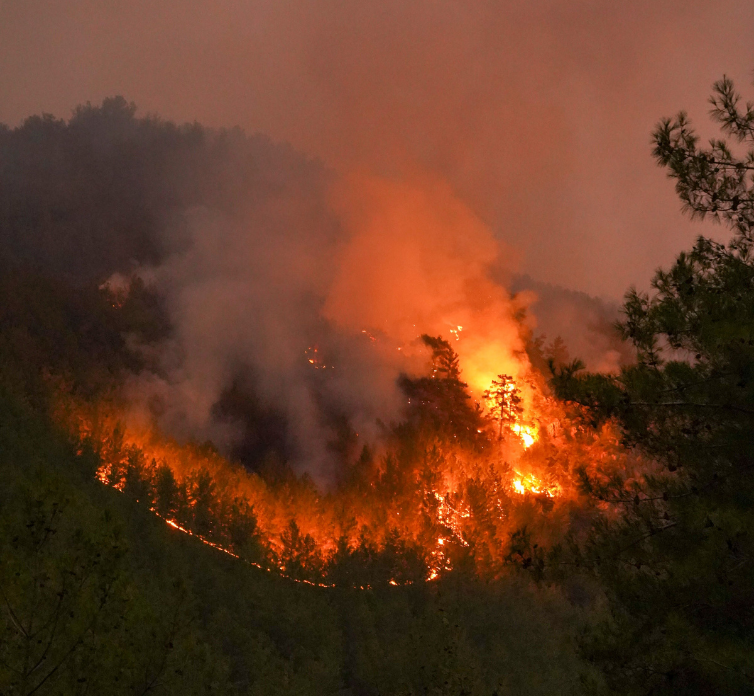
Natural disasters are becoming more frequent, more costly and more geopolitically consequential. Are governments investing enough in preparedness rather than response? What lessons can Australia, Pacific countries, and friends like Japan learn from one another? How can international cooperation improve resilience before disaster strikes? What role should militaries, civil agencies and local communities play? And how can countries build systems that are resilient not only to natural disasters, but to cascading economic, infrastructure and social shocks?
The New Economics of International Disruption
The global economy is being reordered by tariffs, industrial policy, strategic competition and concerns about economic security. Is the era of globalisation giving way to one of economic blocs? How much efficiency should governments sacrifice for resilience? Which supply chains are genuinely strategic, and who gets to decide? Can middle powers protect open trade while major powers increasingly weaponise economic relationships? What does this mean for countries such as Australia that depend heavily on both the United States and China? And where are the opportunities in a more fragmented global economy?

Australian Statecraft and its Outcomes for Regional Partnerships
The Australian government’s commitment to prioritising its relationships with its Indo-Pacific neighbours has led to a significant increase in investments in regional partnerships since 2022. Has the new “4Rs” doctrine—region, relationships, rules and resilience—strengthened Australia’s standing in the region? Is Australia an effective and respected partner in the eyes of its neighbours? How do Australia’s efforts to form new bilateral alliances align with its multilateral approach to the region and the Blue Pacific strategy? And are Australia’s development strategies building resilience or increasing dependency for its partners?