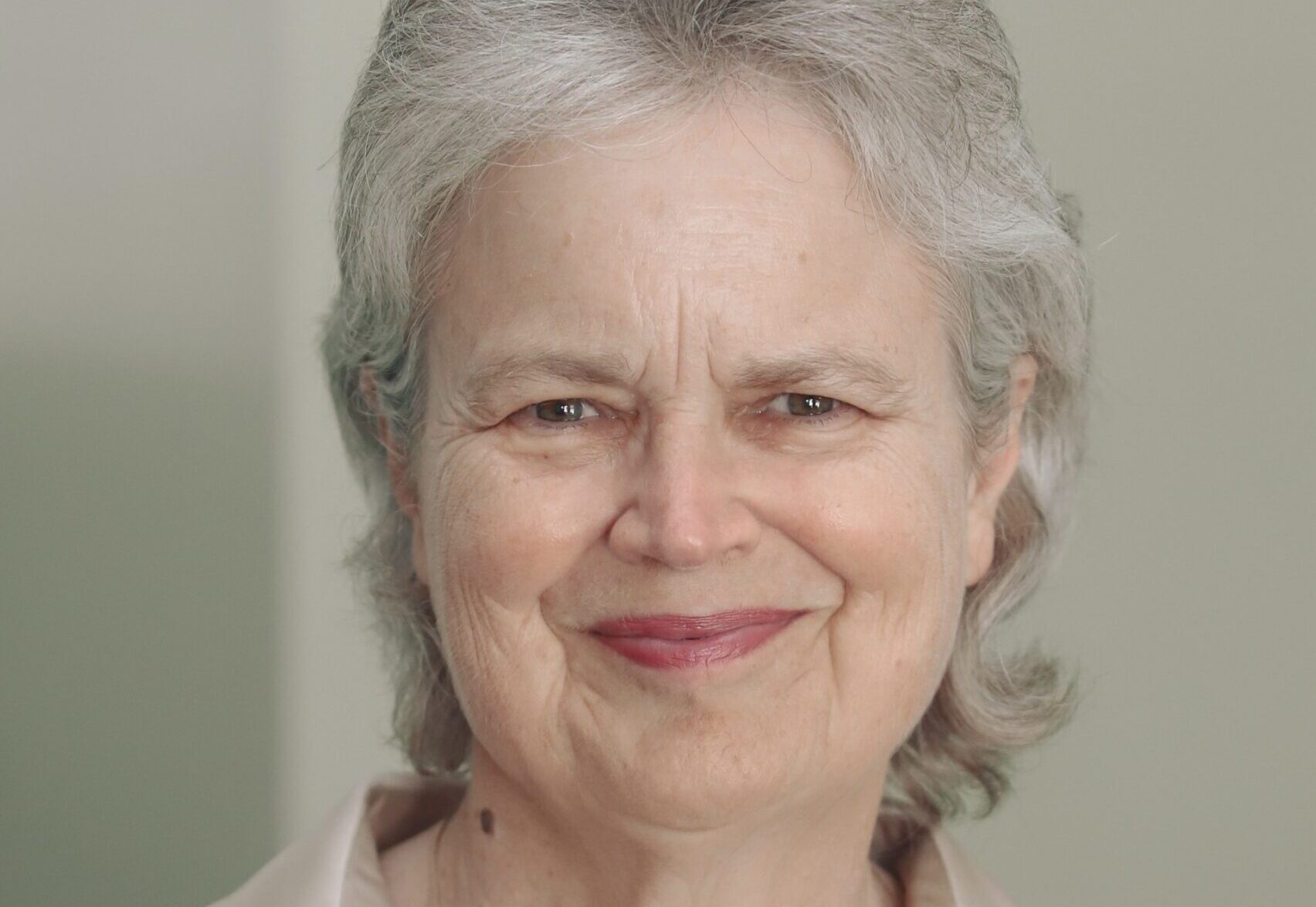
The Hon Frances Adamson AC FAIIA
The Hon Frances Adamson AC FAIIA
The Hon Frances Adamson AC served as Australia’s Ambassador to the People’s Republic of China from 2011 to 2015, having earlier been posted to the Consulate-General in Hong Kong, the Australian Commerce and Industry office in Taipei, twice to the High Commission in London and to Australia’s Permanent Mission to the United Nations in New York for its 47th session.
She was chief of staff to the Minister for Foreign Affairs in 2009 and 2010 and international adviser to the Prime Minister in 2015 and 2016.
She served as Secretary of the Department of Foreign Affairs and Trade from 2016 to 2021.
Ms Adamson completed a five-year term as Governor of South Australia in October 2026.
She is a Fellow of the Australian Institute of International Affairs and the Institute of Public Administration of Australia.
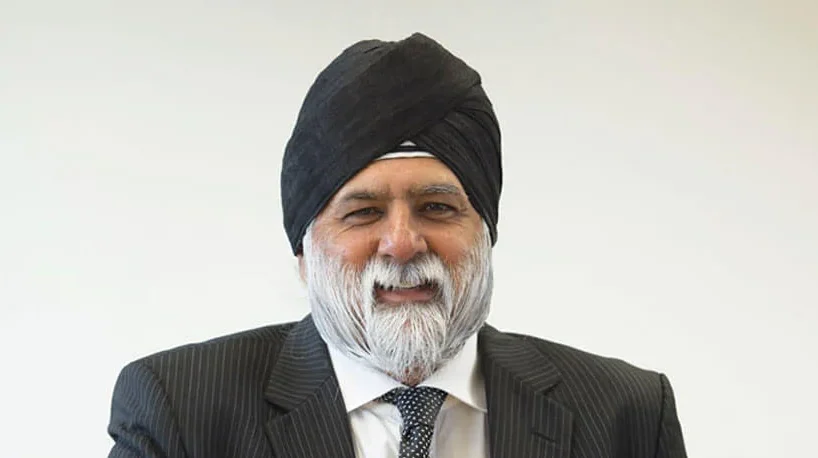
Professor Pal Ahluwalia FAIIA
Professor Pal Ahluwalia FAIIA
Professor Ahluwalia has always had a deep interest in the complexities of identity formation, yet his own upbringing and professional career reflects a myriad of cultural influences. He was born in Kenya, schooled in Canada, received a Bachelors degree and a Master of Arts from the University of Saskatchewan, and then completed his PhD at Flinders University in Adelaide. He was subsequently at Adelaide University for 14 years, finishing as Professor of the Politics Department, then Visiting Professor with the University of California Berkeley, and Professor with the Goldsmiths College at the University of London, where he was also Director of the Centre for Postcolonial Studies.
Prior to commencing as Pro Vice Chancellor, at the University of South Australia Professor Ahluwalia was Research SA Chair and Professor of Post-Colonial Studies in the Hawke Research Institute and Director of the Centre for Post-Colonial Studies. At the same time he was a Professor in the Department of Ethnic Studies at the University of California.
His main research interests lie in the areas of African studies, social and cultural theory, in particular, postcolonial theory and the processes of diaspora, exile, and migration.
On 14 October 2008, Professor Ahluwalia was appointed a UNESCO Chair in Transnational Diasporas and Reconciliation Studies. From 2014 to 2018 he served as Pro Vice Chancellor Research and Innovation at the University of Portsmouth before being appointed as Vice Chancellor and President of the University of the South Pacific.
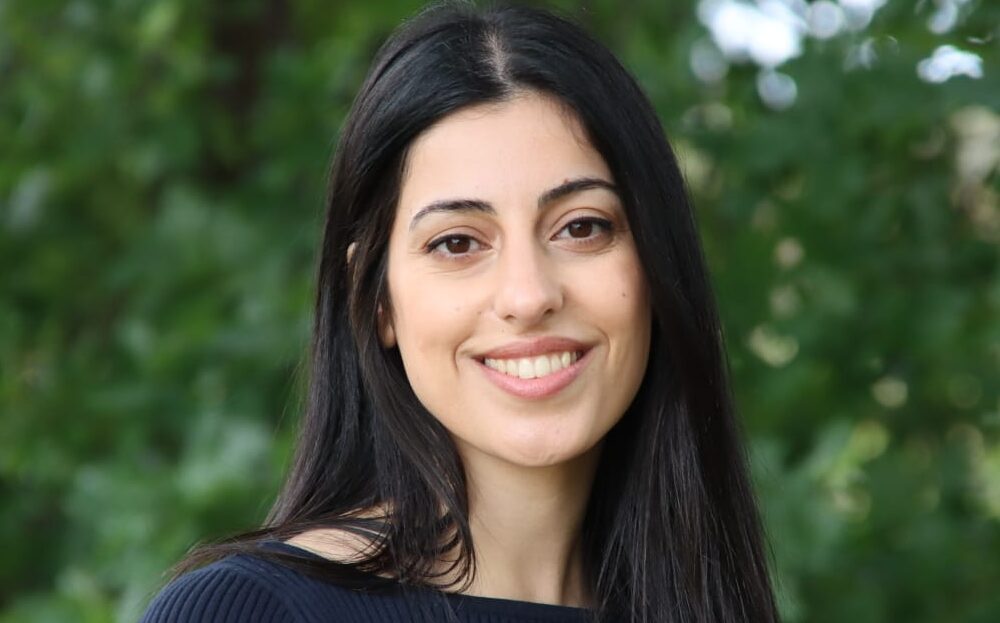
Dr Zena Assaad
Dr Zena Assaad
Dr Zena Assaad is an Associate Professor of Engineering at the Australian National University (ANU) and is also the Deputy Director of the ANU Defence Institute. She is currently a fellow with the UN Institute for Disarmament Research (UNIDIR) leading research on the decommissioning of military AI systems. She has held fellowships with the Australian Army Research Centre and Trusted Autonomous Systems. Her research explores the safety of critical and complex technologies in safety-critical domains, with a focus on systems engineering practices. She is currently focussed on topics related to autonomy and AI in military systems. Dr Assaad is a former member of the expert advisory group for the global commission on responsible AI in the military domain (GC REAIM). She is currently an Ambassador for the Responsible by Design initiative of Article 36 Legal. She also serves on the independent advisory board on Legal Reviews as a technical expert and on the World Police Summit board of trustees.
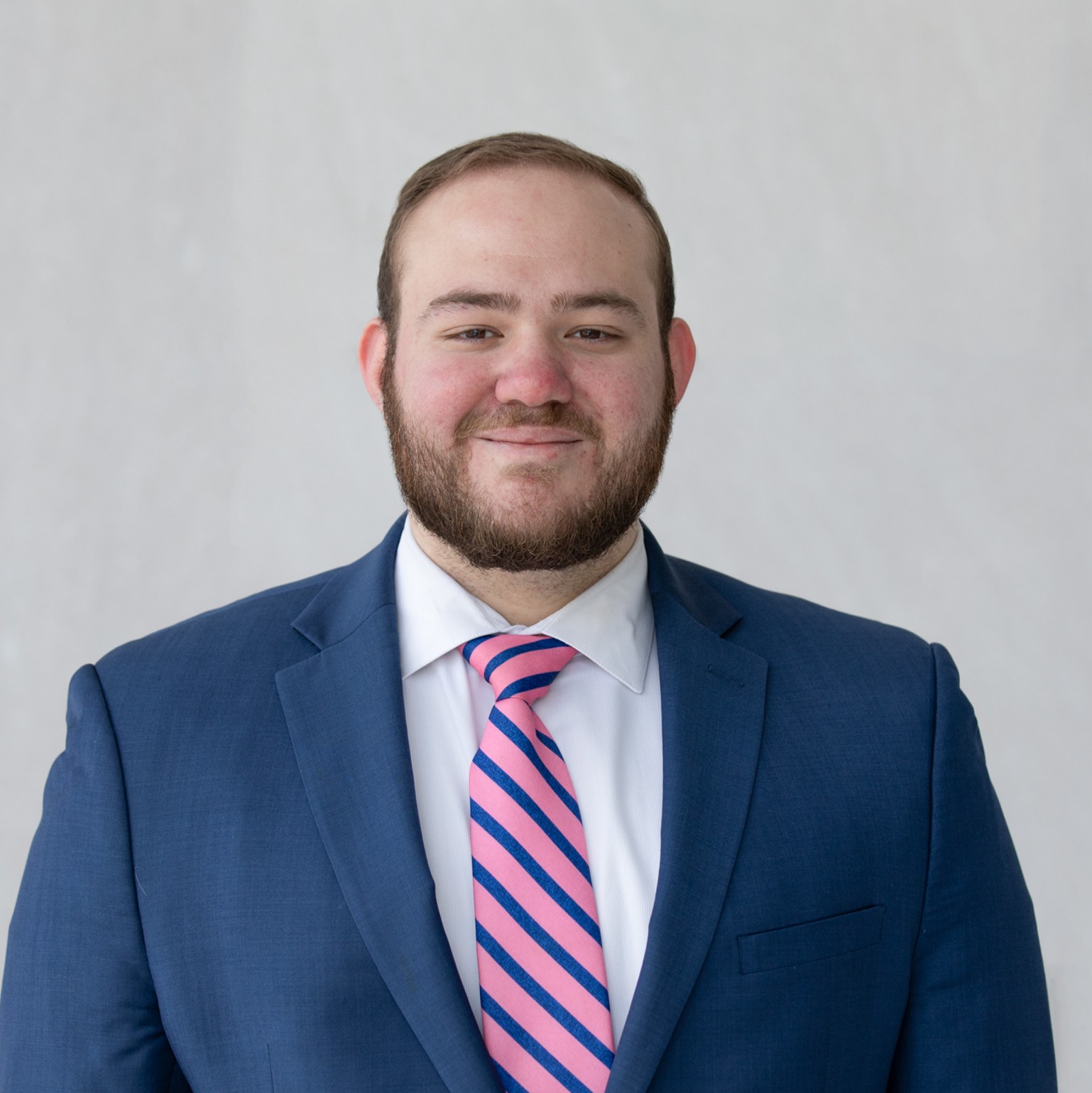
John Augé
John Augé
John Augé is the Program Manager for the Australia Chair at the Center for Strategic and International Studies (CSIS), where he manages initiatives related to United States–Australia relations, as well as security and climate change in the Indo-Pacific. He is a co-host of Pacific Airwaves, CSIS’ podcast on the Pacific Islands.
Prior to joining CSIS, John worked at the White House Council on Environmental Quality, the U.S.–Pacific Institute for Rising Leaders at the Johns Hopkins School of Advanced International Studies, and the Tuvalu Climate Action Network. He has participated in climate conferences across the Pacific and internationally, including the United Nations Framework Convention on Climate Change Conference of the Parties. He has been published in The Diplomat, writing on issues related to the Pacific Islands.
He holds a Master of Arts in International Relations from the Johns Hopkins School of Advanced International Studies and a Bachelor of Arts in International Business and Finance from North Central College.

Hayley Channer
Hayley Channer
Hayley Channer is Director of the Economic Security Program with the United States Studies Centre at the University of Sydney. Hayley brings an interdisciplinary lens to her analysis, having worked as an Australian government official, Ministerial adviser, scholar, and represented global non-profit organisations.
Hayley works at the intersection of economic policy and national security and brings expertise on trade and tariffs, industrial policy, critical mineral supply chains, and public-private partnerships. She regularly convenes government, industry, and academia to bridge gaps between different stakeholders to arrive at policy solutions.
Hayley is a 2022 Fulbright Scholar (Business/Industry), which she undertook at the Hudson Institute in Washington DC. Her Fulbright examined alternative infrastructure offerings to China’s Belt and Road Initiative, including Australia-US-Japan trilateral cooperation in Southeast Asia and the Pacific.
Previously, Hayley was a Department of Defence official working across the Strategy, Policy and Industry Group as well as with Defence Science and Technology (DST). With Defence, she delivered Foreign and Defence (2+2) Ministerial meetings, supported diplomatic posts in Tokyo and Washington DC, and advised senior military personnel, including on exercise. For Exercise Talisman Sabre 2017, Hayley was the Australian Policy Adviser to the Commander, US Third Fleet in San Diego.
Hayley has held Visiting Fellowships with the Strategic and Defence Studies Centre (SDSC) at the Australian National University and East West Center in Washington DC. She is an alum of the US State Department’s International Visitor Leadership Program (IVLP) and the Australia-America Young Leadership Dialogue (AAYLD). Hayley previously served on the Advisory Board of the Asia-Pacific Development, Diplomacy, & Defence Dialogue (AP4D) and the University of Western Australia Defence & Security Institute.
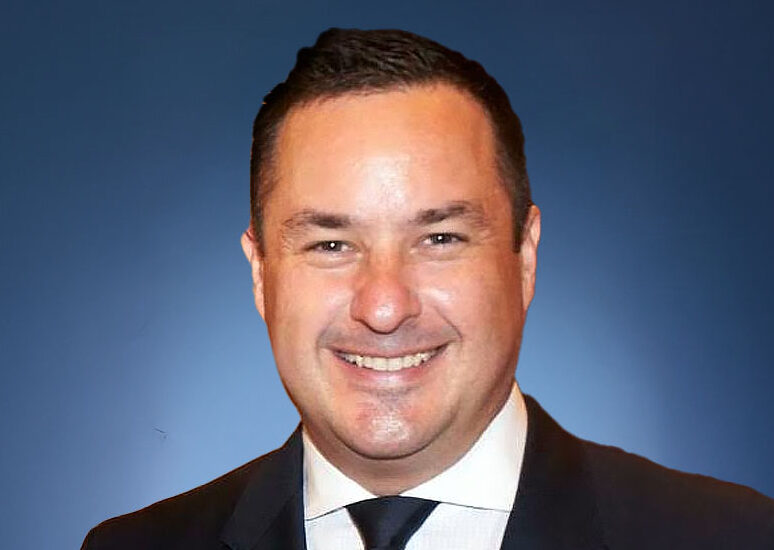
Jason Collins
Jason Collins
Jason Collins is the Chief Executive Officer of the European Australian Business Council (EABC), the peak organisation representing European business interests in Australia. He works closely with Australian and European governments, industry leaders, and business organisations to strengthen bilateral trade, investment, and economic cooperation between Australia and the European Union.
With extensive experience in international business, trade policy, and stakeholder engagement, Jason plays a leading role in advancing commercial relationships between Australia and Europe. He regularly engages with policymakers and industry on issues affecting market access, investment, innovation, and the Australia–EU Free Trade Agreement.
As CEO of the EABC, Jason is committed to fostering stronger economic ties and helping businesses identify new opportunities across European markets.
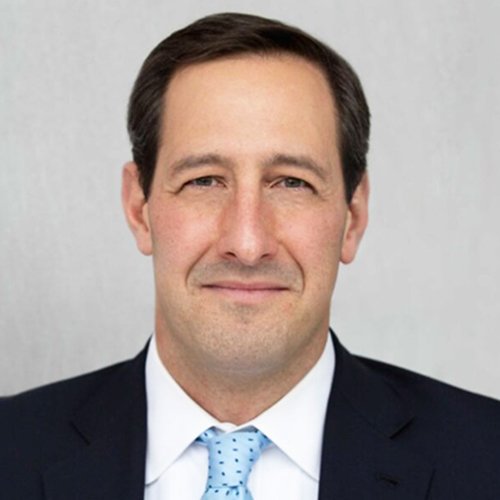
Dr Charles Edel
Dr Charles Edel
Charles Edel is a senior adviser and Australia Chair at the Center for Strategic and International Studies. He previously taught at the University of Sydney, where he was also a senior fellow at the United States Studies Centre. Prior to that, Dr. Edel was a professor of strategy and policy at the U.S. Naval War College and served on the U.S. secretary of state’s Policy Planning Staff from 2015 to 2017. He has also been a global fellow at the Wilson Center and a Henry Luce scholar at Peking University’s Center for International and Strategic Studies. He is the coauthor of The Lessons of Tragedy: Statecraft and World Order (Yale University Press, 2019) and author of Nation Builder: John Quincy Adams and the Grand Strategy of the Republic (Harvard University Press, 2014). Dr. Edel holds a PhD in history from Yale University and received a BA in classics from Yale College.
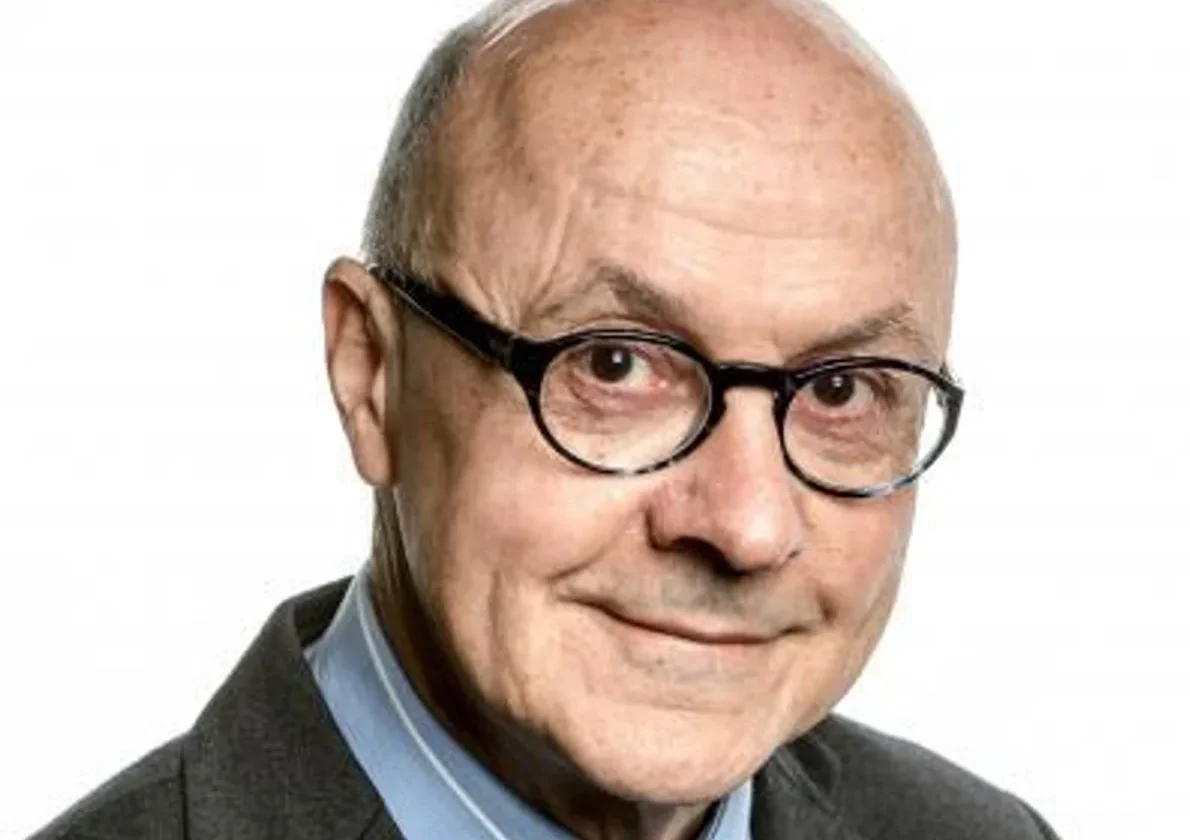
Dr John Edwards
Dr John Edwards
John Edwards is a Nonresident Fellow at the Lowy Institute and an Adjunct Professor with the John Curtin Institute of Public Policy at Curtin University.
He is also a board member of the industry superannuation fund Cbus and of Frontier Advisors. He was member of the Board of the Reserve Bank of Australia from 2011 to 2016. In 2015 he was appointed by the Commonwealth as a member of a three person panel to review the Fair Work Act. From 2009 to 2011 he was Director for Economic Planning and Development for the Economic Development Board of the Kingdom of Bahrain. From 1997 to 2009 Dr Edwards was Chief Economist for Australia and New Zealand for the global financial group, HSBC. In 2008 he was given leave of absence from HSBC to accept a secondment to the Australian Treasury as Chief Adviser, Financial Markets. At the same time he was appointed to join chairman David Mortimer AO in a two-member Review of Australian Trade and Investment Policies. From 1991 to 1994 John was principal economic adviser to Treasurer and then Prime Minister, Paul Keating. In that role he had particular responsibility for international trade issues, labour market reform, and monetary policy.
Earlier in his career he was a political and economic journalist in Sydney, Canberra, and Washington. He joined Australian Financial Review in 1970, and his subsequent roles included political correspondent for The Australian, economics editor of The Bulletin magazine and Sydney Morning Herald correspondent in Washington, DC.
After leaving the Prime Minister’s office in 1994 John was an adviser at Macquarie Bank, and then Chief Economist for Société Generale in Australia, before joining HSBC. From 1994 to 1996 he was also appointed by the Australian Department of Foreign Affairs as adviser to the Australian member of the APEC Eminent Persons Group and to the two Australian members of the APEC Business Advisory Council.
His articles on economic issues have appeared in the Financial Times, the Australian Financial Review, The Australian, Nikkei Asian Review and numerous other publications. He has given evidence on economic issues before parliamentary committees, and presented briefings for government officials and ministers.
John has published six books, including most recently a two-volume biography of Australia’s wartime prime minister, John Curtin’s War. The first volume won the 2018 Prime Minister’s Prize for Literature in the history section. His other books include a narrative history of the MX missile program Superweapon (Norton 1982) and an account of Australian economic policy making under the former Treasurer and Prime Minister Keating: The Inside Story (Viking 1996). His published research for the Lowy Institute includes two Lowy Institute Papers, Quiet Boom (2006) and Beyond the Boom (Penguin Specials, 2014). Other papers for the Institute include How to be exceptional: Australia in the slowing global economy (2016) and Economic Conflict between America and China: A truce declared, the talks begin (2018).
John holds PhD and M Phil degrees in economics from George Washington University and a BA from Sydney University. His doctoral dissertation was in the field of monetary economics.
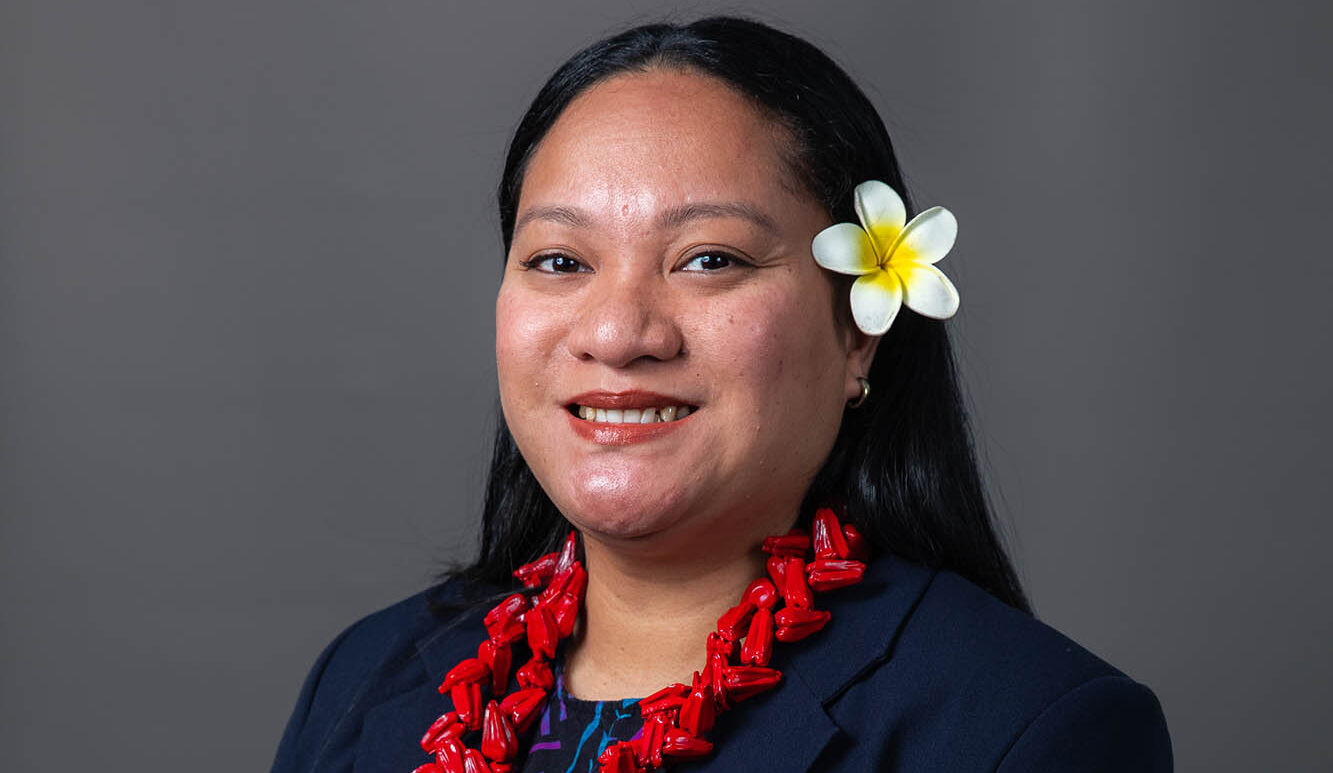
Grace Fiavaai
Grace Fiavaai
Grace Fiavaai is a journalist and producer of The Poly Will and Grace series, based in Aotearoa New Zealand. Fluent in Samoan, she reports on Samoan politics and Pacific regional issues, with a focus on accurate, accessible reporting and the people affected by public decisions. She is completing postgraduate study in educational leadership at Auckland University of Technology and hopes to begin a master’s degree in 2027.
Grace has broken major political stories about Samoa, covered Samoa’s 2025 general election and participated in two Pacific Island missions, gaining first-hand insight into governance, leadership and community life across the region. She has paternal links to Niue, Tonga and China, and spent part of her childhood in Jamaica, where her parents served as missionaries with the EFKS Church.
Before becoming a journalist, Grace worked as a flight attendant. She continues to serve as a youth leader and, in 2024, became the first Pacific journalist to be named a finalist at the New Zealand Science Media Awards.
Known to many as Mama G, Grace is passionate about challenging stigma faced by Pacific women in media. Outside the newsroom and her studies, she is a working mother of two, a foodie and a sports lover.
If you meet Grace at the conference, expect plenty of humour and Pacific style. You might even leave knowing a little about Samoan milimili and when to let out a good “chehoooo!”
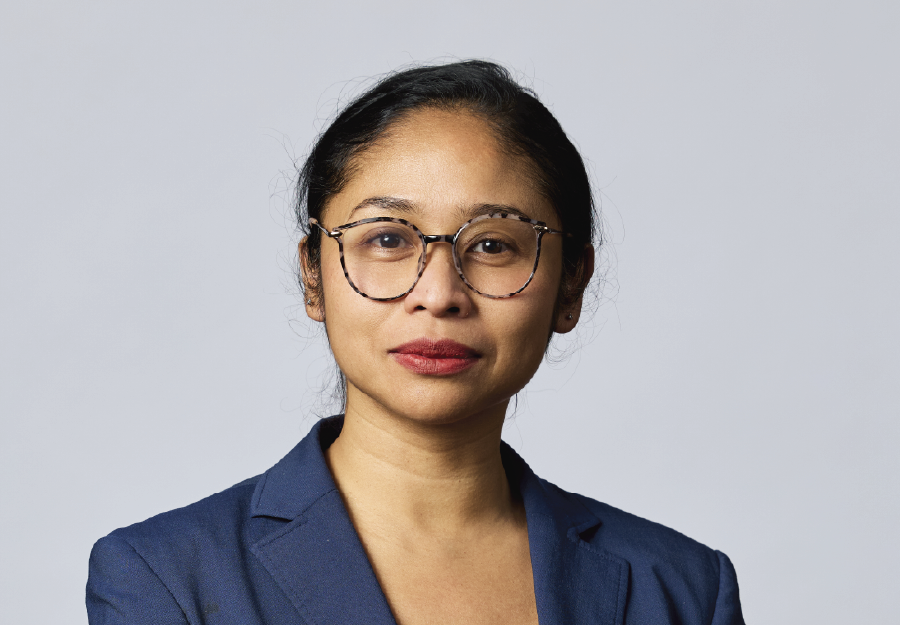
Dr Fitriani
Dr Fitriani
Senior Analyst of Cyber, Technology and Security Program Australian Strategic Policy Institute
Fitriani research focuses on resilience against hybrid threats in the Indo-Pacific, as well as foreign policy and non-traditional security issues. She is a political scientist by training, specialising in International Relations in Southeast Asia. With her expertise in cybersecurity and women, peace and security, she has contributed to research project with UN Women, Oxfam, Peace Research Institute Oslo, Google and ASEAN Institute for Peace and Reconciliation. She served as a roster expert of cyber diplomacy for the UN Office for Disarmament Affairs and co-chaired the Council for Security Cooperation in the Asia Pacific (CSCAP) Study Group on Women, Peace and Security.
Fitriani holds a PhD in Security and Defence Studies from Cranfield University, United Kingdom. She is a co-editor of Towards a Resilient Regional Cyber Security: Perspectives and Challenges in Southeast Asia (2019), and co-author of Regional and Cross-Border Responses Towards Disinformation in Southeast Asia (2024) and Tackling Disinformation, Foreign Information Manipulation and Interference in Southeast Asia and Broader Indo Pacific (2025)
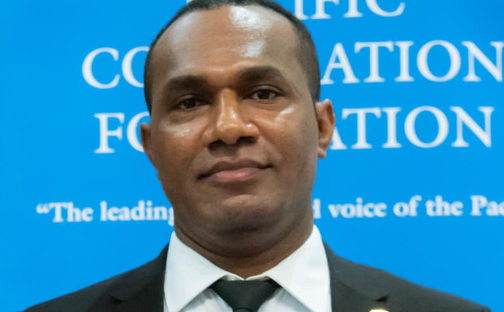
Gibson Gala
Gibson Gala
Gibson Gala is a seasoned humanitarian and development professional with extensive experience leading climate and disaster risk financing, rural development and resilience-building initiatives across the Pacific region. With more than a decade of technical, analytical and program leadership experience, he has supported governments, international organisations and communities to strengthen resilience to climate change, natural hazards and socio-economic vulnerabilities.
He has “held senior roles with international organization, where he managed major humanitarian and development programs, including anticipatory action, cash transfer mechanisms, emergency response and climate-resilient education initiatives.
Previously, he served in a range of senior and technical roles across the Pacific, including with GIZ, the Global Shield Initiative, UNDP, Northern Environmental Solutions, the World Bank, the International Organization for Migration, ADRA, the World Food Programme, WHO and the Global Green Growth Institute. His work has spanned blue carbon, environmental conservation, emergency response, climate and disaster risk financing, renewable energy, rural electrification, community resilience and environmental management.
He holds a Master’s degree in Disaster Risk and Resilience from the University of Canterbury, New Zealand.
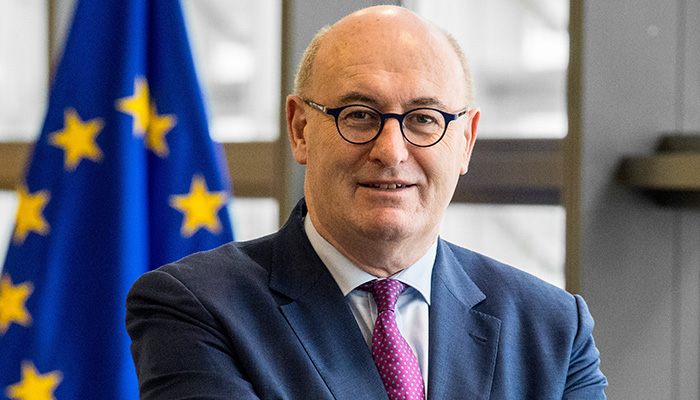
Phil Hogan
Phil Hogan
Phil Hogan was a member of the Irish Parliament for 27 years.
He served as Chairman of Fine Gael party and director of organisation during its most successful years from 2002 to 2011 which culminated in his appointment as Minister for Environment, Community and Local Government in the government led by Enda Kenny as Taoiseach. Phil Hogan became European Union (EU) President of Environment Council in 2013 during Ireland’s presidency of EU Council.
Phil Hogan brings over three decades of leadership in agriculture, trade and international diplomacy to his campaign for Director General of the United Nations Food and Agriculture Organisation (FAO). In 2014, he was nominated as EU Commissioner for Agriculture and rural development where he played a major role to reform the CAP and make it more supportive of environmental challenges as well as food security objectives. Food exports and employment increased substantially during his term of office. In this role he helped shape the policies that underpin European and global food systems negotiating landmark trade agreements, steering the EU through market crises, and representing Europe at the G20, World Trade Organization (WTO) and United Nations (UN).
In 2019–2020, Phil Hogan served as European Commissioner for Trade, directing the EU’s trade policy for the world’s largest trading bloc. He championed WTO reform, ensured supply chain continuity during the COVID-19 pandemic, and advanced multiple Free Trade Agreements embedding high standards for sustainable development.
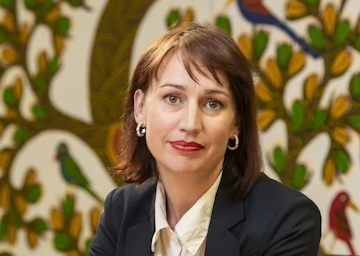
Suzannah Jessep
Suzannah Jessep
Suzannah was appointed chief executive of the Asia New Zealand Foundation in January 2024.
Previously, she served in the New Zealand Ministry of Foreign Affairs and has also worked in film.
She’s served on a number of advisory boards, including chairing the Ministerial strategic advisory board on trade, the New Zealand Contemporary China Research Centre, VUW Global Studies, and the New Zealand Institute of International Affairs
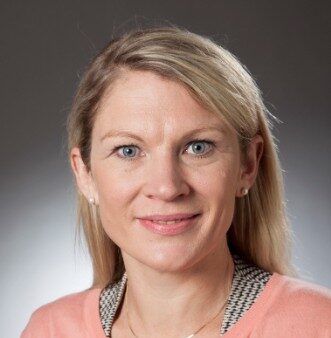
Dr Serena Kelly
Dr Serena Kelly
Dr Serena Kelly is Chair of the New Zealand Institute of International Affairs (NZIIA) and a Senior Lecturer Above the Bar in Political Science and International Relations at the University of Canterbury. Her research focuses on European Union (EU) foreign policy, EU-New Zealand relations, international trade and economic diplomacy, and Indo-Pacific geopolitics. She was the co-editor of Aotearoa New Zealand in World Affairs Volume V Against the Tide: Aotearoa New Zealand in World Affairs – Te Herenga Waka University Press and has published widely on international politics, trade, and foreign policy. Serena was Chair of the NZIIA Christchurch Branch from 2017 – 2021. She is also Vice-President of the European Studies Association of Australia and New Zealand.
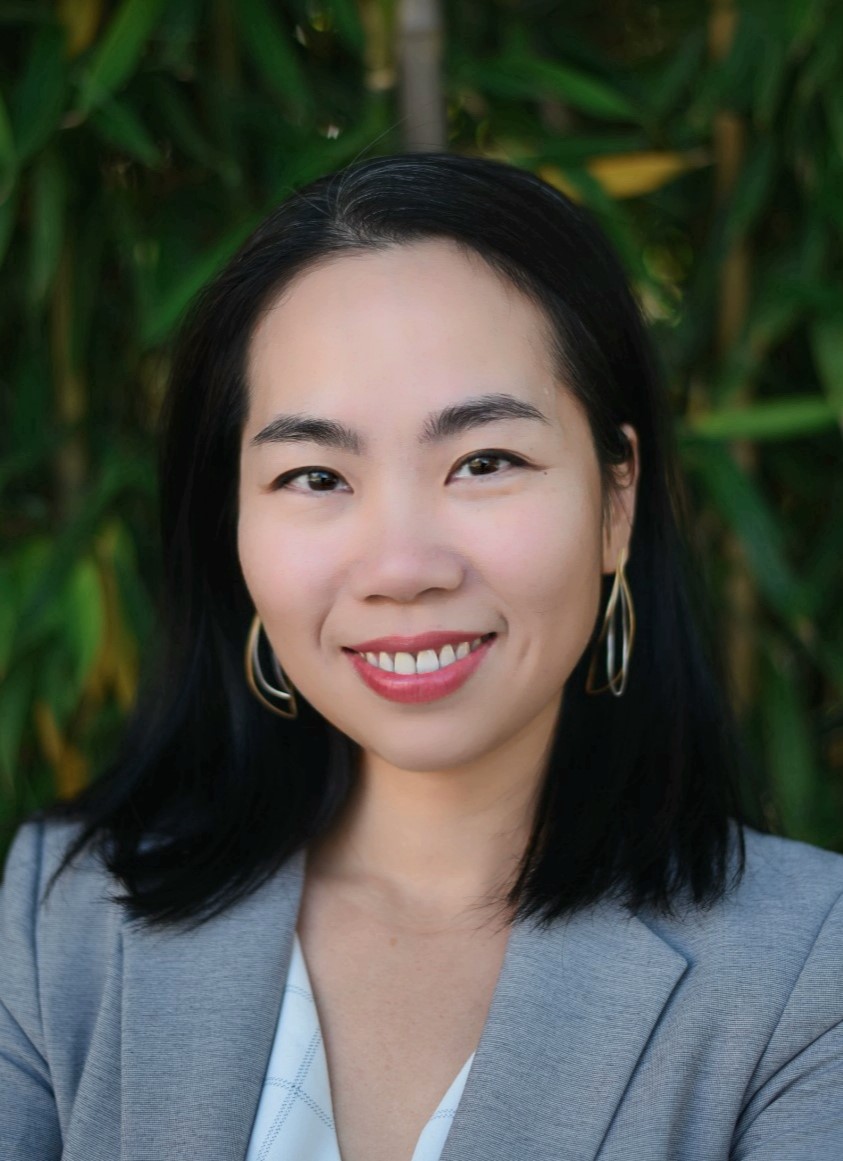
Dr Huong Le Thu FAIIA
Dr Huong Le Thu FAIIA
Dr Huong Le Thu is Deputy Director of the Asia-Pacific Program at the International Crisis Group, a global conflict prevention organisation. In 2025 Huong was appointed by Foreign Minister Penny Wong as an Eminent and Expert Person for the ASEAN Regional Forum. She is also the Chair of the Australia-Vietnam Policy Institute’s Advisory Board and a fellow of the Penn Project on the Future of U.S.-China Relations. Huong’s interests include Asia’s geopolitics, regional security architecture, Southeast Asia’s foreign and defence policies. Her publications appeared in Foreign Affairs, Foreign Policy, The Time, The Financial Times, Asian Nikkei Review, Japan Times, The Straits Times and many more.
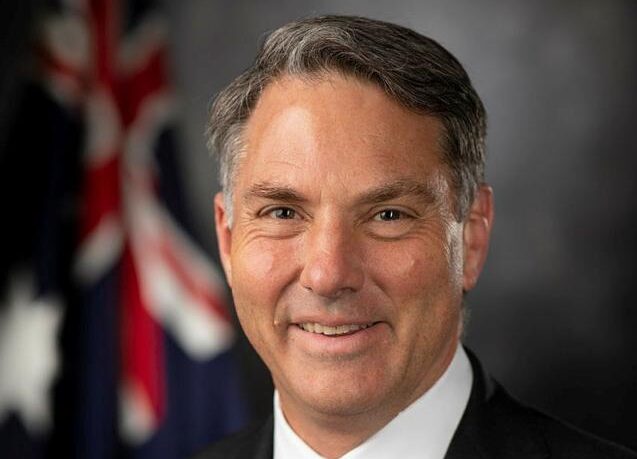
The Hon Richard Marles MP
The Hon Richard Marles MP
Richard Marles is currently the Deputy Prime Minister of Australia, Minister for Defence and the Federal Member for Corio.
Richard’s previous appointments include Deputy Leader of the Opposition, Shadow Minister for National Reconstruction, Employment, Skills and Small Business, Shadow Minister for Science, Shadow Minister for Defence, Shadow Minister for Immigration and Border Protection, Minister of Trade, Parliamentary Secretary for Foreign Affairs, Parliamentary Secretary for Pacific Island Affairs, Parliamentary Secretary for Innovation and Industry, and Chair of the House of Representatives Standing Committee on Aboriginal and Torres Strait Island Affairs.
Born in 1967, Richard was raised and educated in Geelong and went on to study Law and Science, achieving a LLB (Hons) and a BSc from the University of Melbourne.
Richard lives in Geelong with his wife Rachel and has four children, Sam, Isabella, Harvey and Georgia. He is a devoted Geelong Cats supporter, golf fanatic and local history enthusiast.
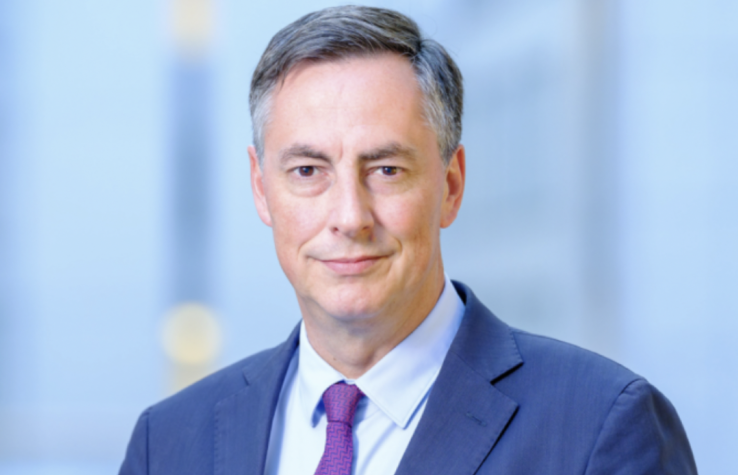
David McAllister MEP
David McAllister MEP
David McAllister (born 12 January 1971 in West Berlin) is a Member of the European Parliament (MEP) from Germany and Chair of the Committee on Foreign Affairs (AFET) since 2019. A member of the Christian Democratic Union (CDU/EPP Group), he has served in the European Parliament since 2014. McAllister previously held several senior political positions in Germany, including Minister-President of Niedersachsen (2010–2013) and Chair of the CDU in Lower Saxony (2008–2016). He is a Vice President of the European People’s Party (EPP). He holds a degree in Law from the University of Hanover (1996) and was active early in politics through the Junge Union. In addition to his parliamentary duties, McAllister has been a leading voice on EU foreign, security, and enlargement policy, representing the European Parliament in interparliamentary dialogues with partner countries and international organisations.
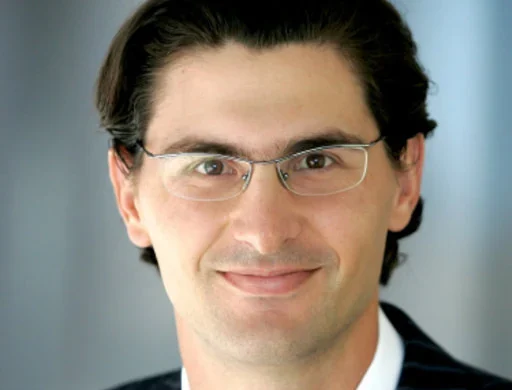
Dr Huw McKay
Dr Huw McKay
Huw McKay is visiting fellow in the Crawford School of Public Policy at The Australian National University and was formerly chief economist at BHP.
Huw has a wide range of expertise across global macro, public policy, finance, commodities, climate change, scenario analysis, market design, sports analytics, behavioural psychology and geopolitics. He is passionate about forecasting and foresight, applying the lessons of history to the real world problems of today and building analytical and leadership capability in large teams while leading with vision and purpose.
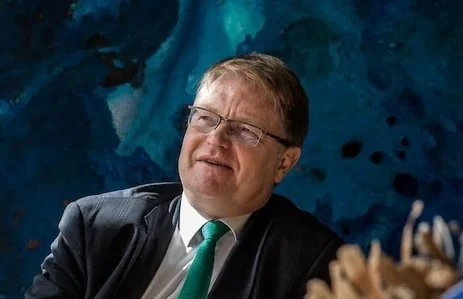
H.E. Lawrence Meredith
H.E. Lawrence Meredith
Lawrence Meredith is the European Union Ambassador to Australia since September 2026. Lawrence arrived at an historic moment in EU-Australia relations following the visit of President Ursula von der Leyen to Australia. With the conclusion of negotiations for a Free Trade Agreement, Australia’s association to the world’s largest research and innovation fund Horizon Europe and a groundbreaking Security and Defence Partnership, Ambassador Meredith has clear priorities for his term in Canberra. Prior to arriving in Australia, Lawrence was European Union Ambassador to New Zealand where he oversaw the implementation of the EU-NZ Free Trade Agreement and New Zealand’s association to Horizon Europe. Before that, he was the Director for Neighbourhood East and Institution Building within the European Commission, managing relations and cooperation with the EU’s Eastern Partnership countries. Lawrence studied at Oxford University and holds a First Class Honours B.A. in Russian and French from The Queen’s College. He speaks English, French, German, Italian, Spanish and Russian. He is a keen birdwatcher, enjoys biking, and supports Bradford City.
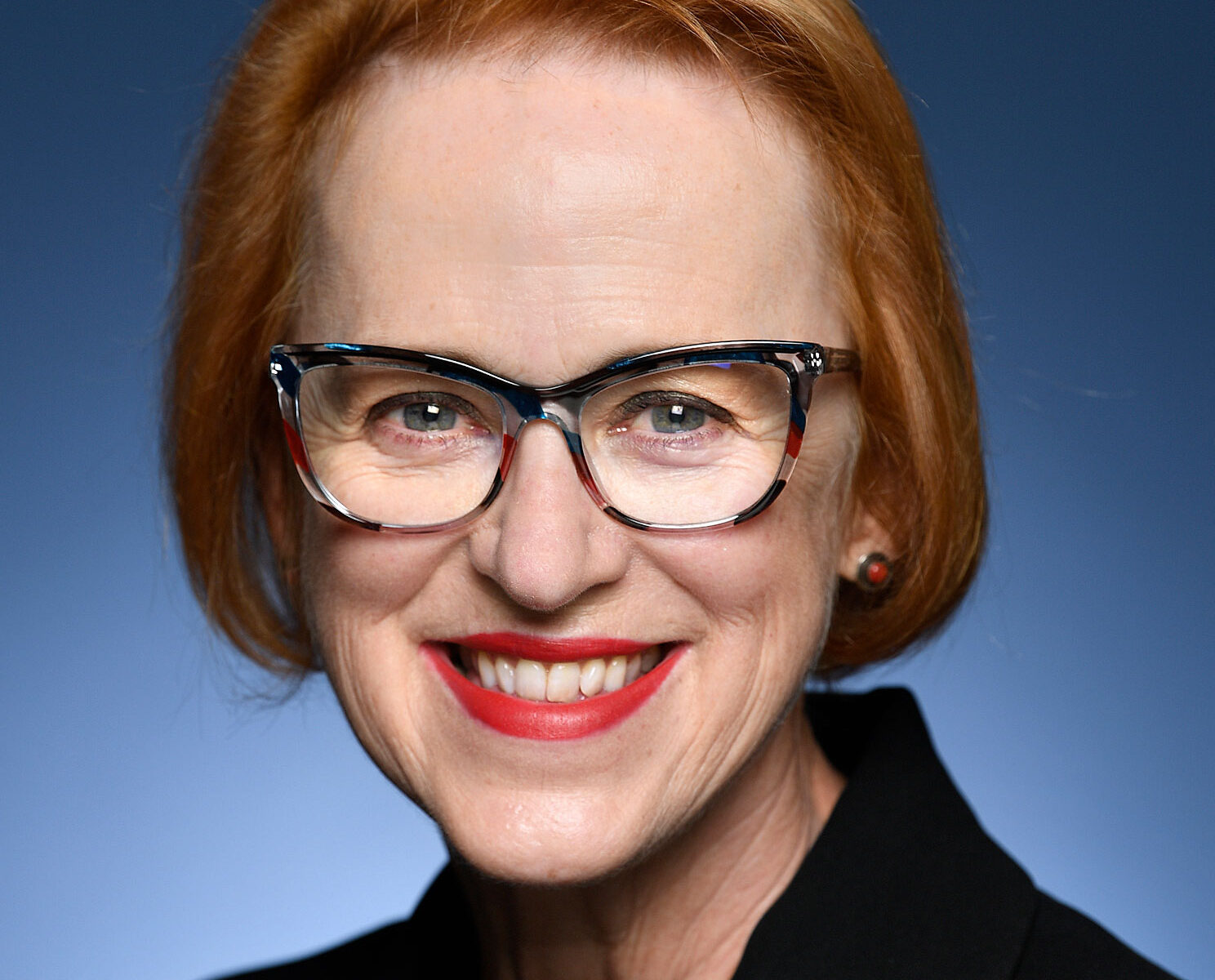
Caroline Millar GAICD
Caroline Millar GAICD
Caroline Millar is the former Australian Ambassador to the European Union, NATO, Belgium and Luxembourg. She previously served as the Deputy Secretary for National Security, in the Department of the Prime Minister and Cabinet covering national security, defence, intelligence and international policy.
Her previous assignments include serving as Deputy Secretary, International Security, Humanitarian and Consular Group in DFAT (2018), Deputy Head of Mission at the Australian Embassy in Washington (2014-2017), First Assistant Secretary, International Security Division (2013) and Head of the United Nations Security Council Taskforce (2010-2012). Prior to that she was the Ambassador to the United Nations at Geneva and Ambassador for Disarmament (2006-2010).
Ms Millar also served as Australian Ambassador for People Smuggling Issues and head of the International Organisations and Legal Division. Earlier in her career she was seconded to the Australian Office of National Assessments as Senior Americas Analyst and was also posted to the Australian Mission to the United Nations in New York and Australia’s Embassies in Washington and Hanoi.
Ms Millar was educated at the University of Cambridge and holds a MA/BA (Hons) degree in history.
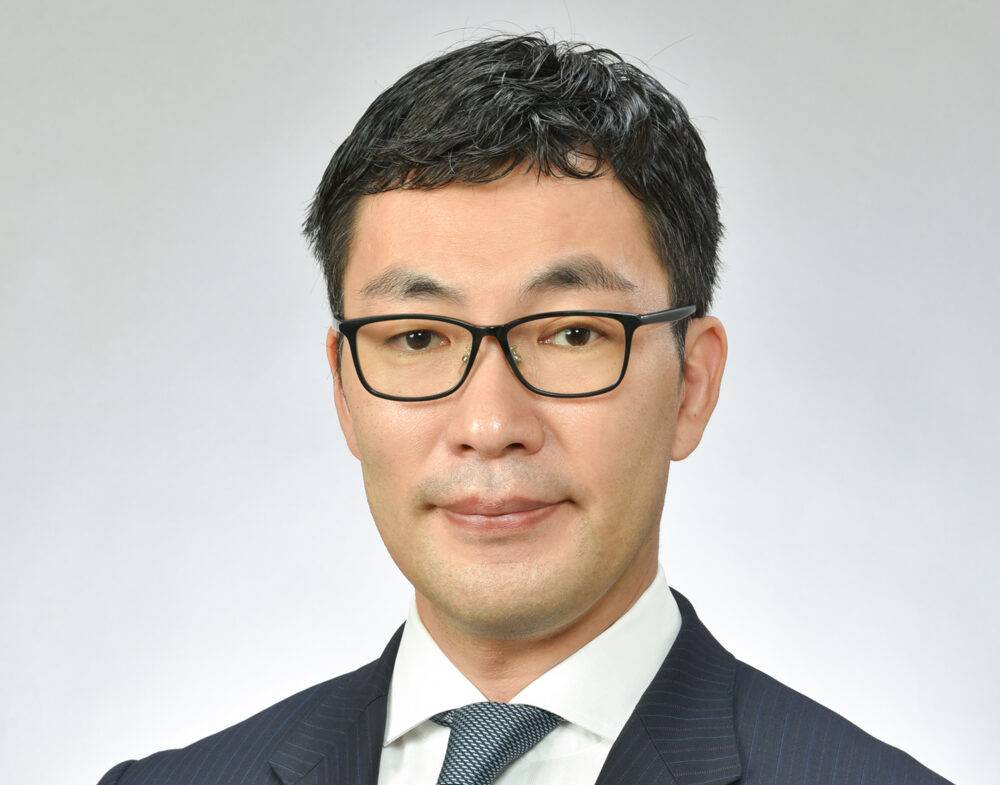
Dr Hideyuki Miura
Dr Hideyuki Miura
Hideyuki Miura is Professor of International Relations at Kyorin University and Specially Appointed Professor at the Institute of Science Tokyo. Previously, he was a Senior Fellow at Waseda University and a Research Associate at the Asian Development Bank Institute. He has also held visiting positions at the University of Southern California and the Japan Institute of International Affairs. His research focuses on international political economy, trade policy, and economic security in the Indo-Pacific. He also serves as a member of a government advisory panel on the Trans-Pacific Partnership (TPP) under Japan’s Cabinet Secretariat. His recent publications include “Revival of Japan’s Industrial Policy and Its Implications for Economic Security” (Edward Elgar, 2026), “Japan’s Initiatives to Ensure Resilient Supply Chains amid Geopolitical Risks” (East Asian Policy, 2025), and “Establishing Multilateral and Regional Rules on Digital Trade: The Role of Japan and Middle Powers” (Springer Nature, 2023). He holds a B.A. from Sophia University and an M.A. and Ph.D. from Waseda University.
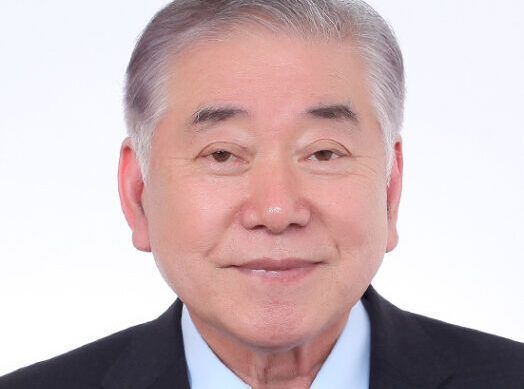
Professor Chung-In Moon
Professor Chung-In Moon
Chung-in Moon is Professor Emeritus at Yonsei University. And he is Vice Chairman of Asia-Pacific Leadership Network for Nuclear Disarmament and Non-Proliferation (APLN). He is also editor-in-chief of Global Asia, a quarterly journal in English. He was a special advisor to the ROK president for foreign affairs and national security (2017-2021). He was Chairman of the Sejong Institute (2021-2023) and dean of the Graduate School of International Studies, Yonsei Univ. and served as Ambassador for International Security Affairs of the Korean Ministry of Foreign Affairs and Trade and Chairman of the Presidential Committee on Northeast Asian Cooperation Initiative, a cabinet-level post. Dr. Moon was a special delegate to the first (2000), second (2007), third Korean summit (2018) held in Pyongyang. He has published over 60 books and 300 articles in edited volumes and scholarly journals.
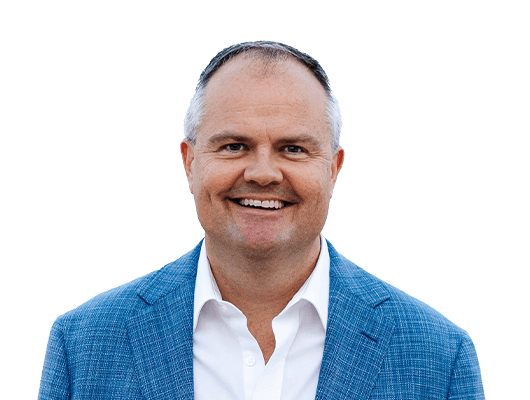
Ted O’Brien MP
Ted O’Brien MP
Ted O’Brien is the Shadow Minister for Foreign Affairs and brings considerable international experience to the role.
Much of Ted’s 20-plus years in business prior to entering politics was spent living and working abroad: from the shop floor to the board room; from a family business to a big exporter and then a multinational; and across industries from commodities to consumer goods and then high technology.
Ted’s last international role was as a strategist and dealmaker for the Asia Pacific and Emerging Markets based out of Beijing, as part of a global technology services company for which he worked for over a decade.
His previous roles include Shadow Minister for Climate Change and Energy, Shadow Treasurer and Deputy Leader of the Liberal Party.
Ted holds a Bachelor of Arts from the University of Queensland, a Scholarship in Chinese Mandarin from the National Taiwan Normal University, a Master of International Business from the University of Melbourne (1st Class Hons), and a Master of Economics from the London School of Economics.
He is married to Dr Sophia O’Brien with whom he has three young children, and they live in his electorate of Fairfax on the Sunshine Coast.
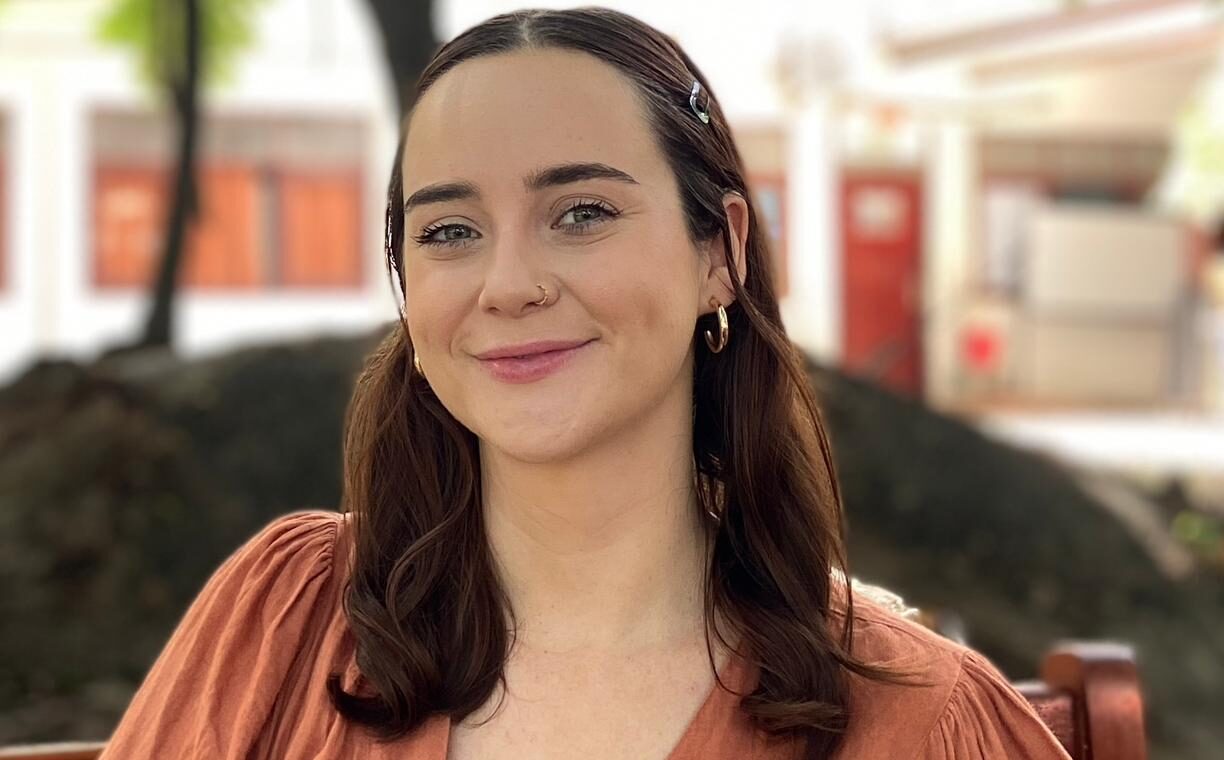
Emma O’Hara
Emma O’Hara
Emma O’Hara is a Monitoring, Evaluation and Learning (MEL) Specialist working with CARE in Timor-Leste, one of the most disaster-prone countries in the world. She supports the design, implementation and learning of disaster resilience and climate adaptation programs, with a focus on strengthening community preparedness, early warning systems, anticipatory action and inclusive approaches to disaster risk reduction. Her work places a strong emphasis on translating data and evidence into actionable learning to improve program quality, effectiveness and accountability.
A core part of Emma’s role is supporting localisation and inclusion within disaster resilience programming. She works closely with partners to embed gender equality, disability inclusion and safeguarding into program design and measurement, ensuring resilience initiatives are accessible, equitable and responsive to diverse community needs.
Emma is particularly interested in how evaluation findings and community-level evidence can inform stronger program practice and policy dialogue, contributing to more effective and inclusive disaster resilience outcomes for communities most at risk.
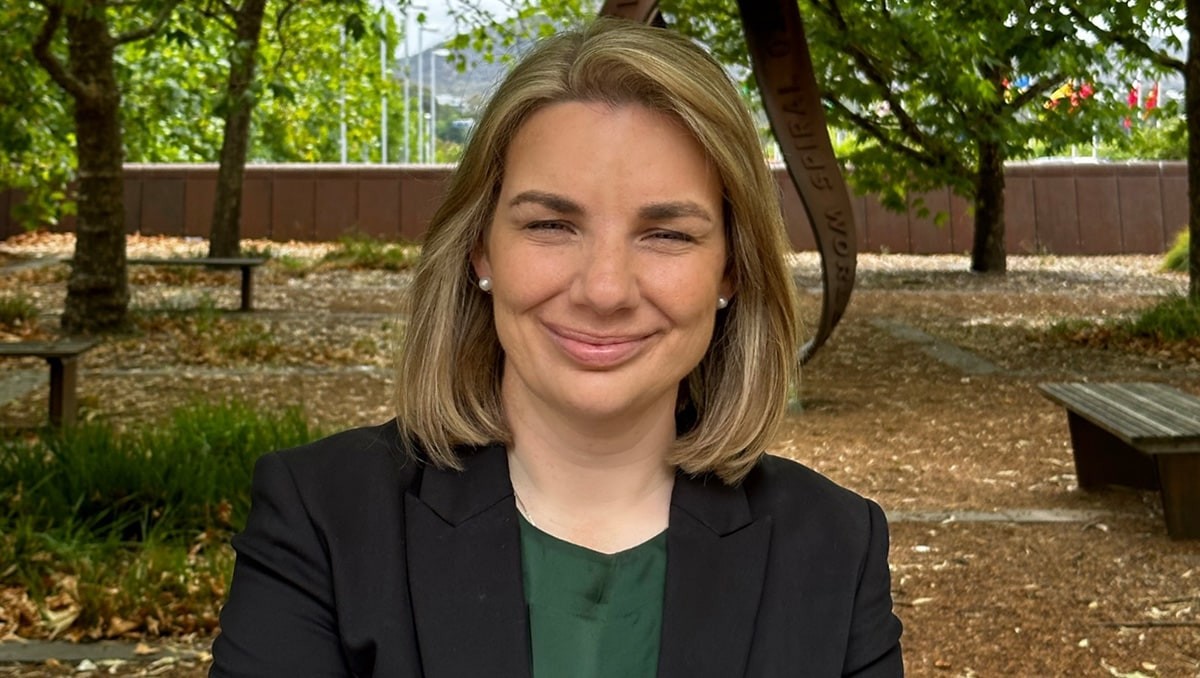
Jennifer Parker
Jennifer Parker
Jennifer Parker is the Principal and Founder of Barrier Strategic Advisory and one of Australia’s leading voices on defence and maritime strategy.
She advises government, industry and research organisations on defence strategy, maritime security, Indo-Pacific strategic affairs and the implications of strategic and geopolitical change. Jennifer is also a regular national and international media commentator and an experienced speaker, panellist and moderator.
Jennifer holds a number of university and think tank affiliations, including Adjunct Professor of Practice at the University of Western Australia Defence and Security Institute, Non-Resident Fellow at the Lowy Institute, Expert Associate at the National Security College at the Australian National University, Adjunct Fellow in Naval Studies at UNSW Canberra and International Fellow at the London-based Council on Geostrategy.
Before establishing Barrier Strategic Advisory, Jennifer served for more than two decades in the Royal Australian Navy as a warfare officer. She specialised as a Principal Warfare Officer and undertook specialist anti-submarine warfare training with the Royal Navy. Her operational experience spans the Middle East, Indo-Pacific and other regions, alongside appointments in force design, strategy, international engagement, exercise planning and operations.
Her appointments included service as an exchange officer with the Royal Navy, second in command of HMAS Darwin and, in her final RAN posting, Director of Operations for the Combined Maritime Forces in Bahrain, a multinational maritime security coalition operating across the Middle East and Indian Ocean.
Jennifer has published extensively on Australian defence strategy, maritime security, naval capability and Indo-Pacific strategic affairs. She is regularly featured across Australian and international print, digital, radio and television media, including the ABC, BBC, CNN, Al Jazeera, Sky News Australia, The Wall Street Journal and The New York Times.
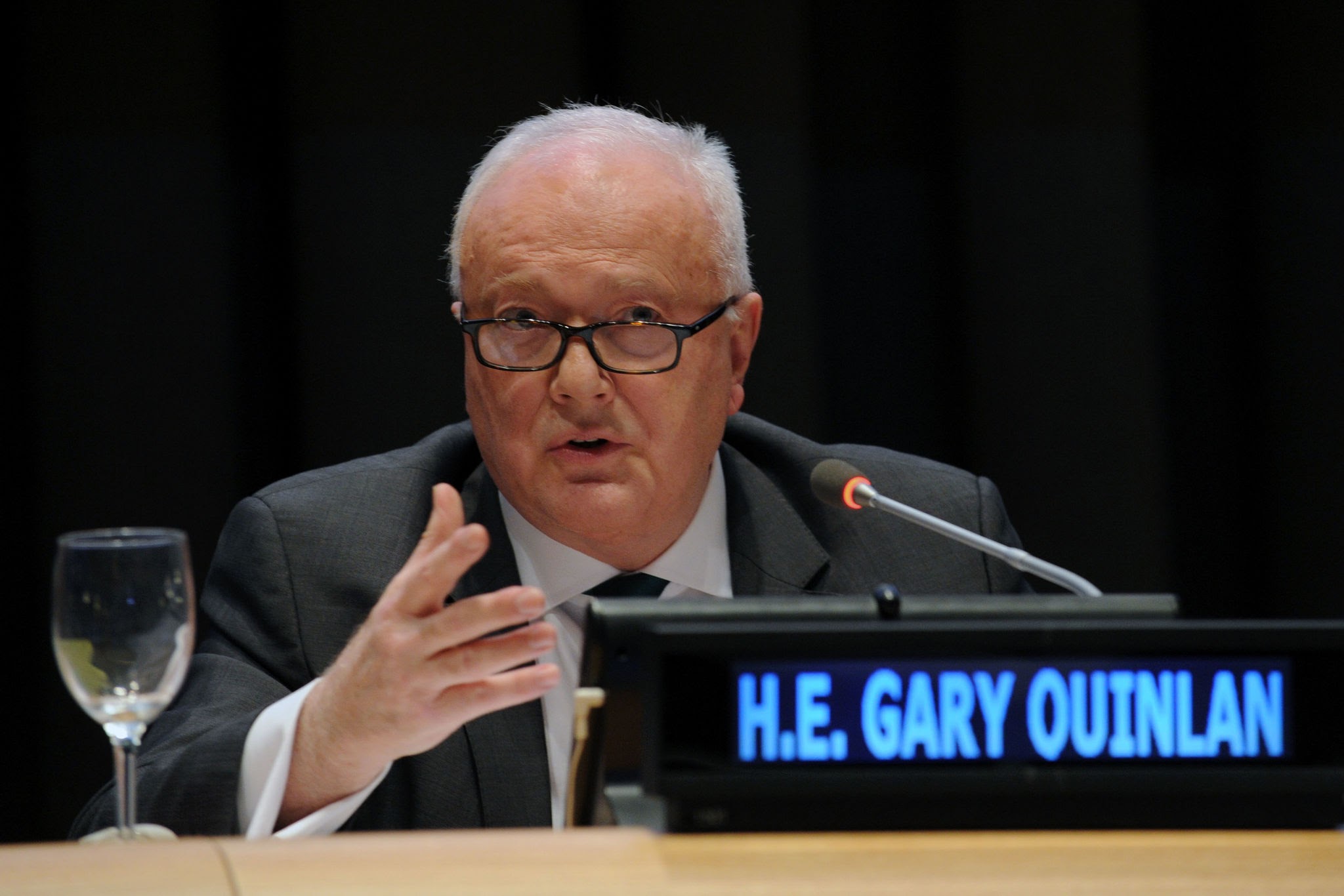
Gary Quinlan AO FAIIA
Gary Quinlan AO FAIIA
Gary Quinlan was Australia’s Ambassador to Indonesia from 2018 to 2021. Prior to that he was Deputy Secretary, Department of Foreign Affairs and Trade, and Australia’s Senior Official to ASEAN and to the East Asia Summit (2015-2018). He was Australia’s chief negotiator with Timor-Leste (East Timor) on maritime boundaries (2016-2018). He was Australia’s Ambassador to the United Nations, New York (2009-2015); and Australia’s Representative on the United Nations Security Council (2013-2014) and President of the Council in September 2013 and November 2014.
He was Senior Adviser to the Prime Minister on Foreign Affairs, Defence and National Security (2008-2009).
He has held senior positions in DFAT responsible for North Asia; the Americas; Europe; and in management. He was in charge of Australia’s operational response to the East Timor crisis in 1999. He was a lead negotiator for Australia in international negotiations on Law of the Sea and on Antarctic matters. His overseas assignments, prior to Ambassador to the United Nations, have been as Deputy Ambassador in the Australian Embassy in Washington DC and as High Commissioner (Ambassador) to Singapore. And assignments to the Australian Mission to the United Nations, New York; the Australian Permanent Delegation to UNESCO, Paris; and the Australian Embassy, Dublin.
He has also served as Chief of Staff and Senior Adviser to the Minister for Resources; the Minister for Industrial Relations; the Minister for Trade; and the Minister for Industry, Science and Technology.
Gary Quinlan holds a Bachelor of Arts (Hons) from the University of Newcastle and an Honorary Doctor of Letters (Newcastle).
He was made an Officer in the Order of Australia (AO) in 2016. He was made a Fellow of the AIIA in 2021.
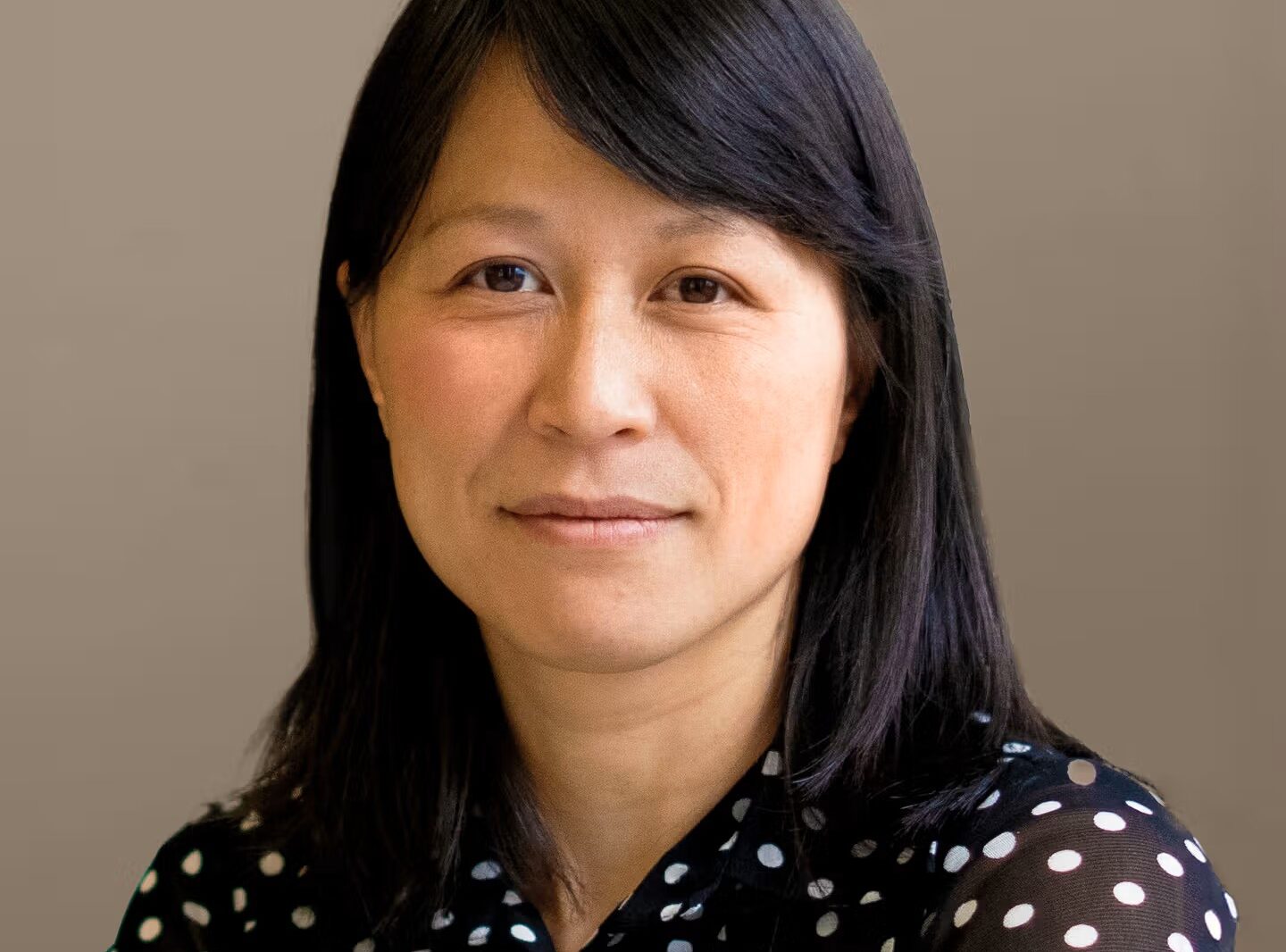
Olivia Shen
Olivia Shen
Olivia Shen is Director of the Strategic Technologies Program with the United States Studies Centre at the University of Sydney. Her program focuses on the intersection of critical technologies, security and geopolitics. Olivia previously led data science and AI strategy at the Australian Department of Home Affairs and has over a decade of experience in national security and foreign policy. She was also a Director at the National Security College, the Australian National University. In 2019, Olivia was a Fulbright Scholar with the Center for Strategic and International Studies where her research examined the ethics of AI in national security. She has also completed research fellowships with the Lowy Institute, the Centre for Governance of AI and the United States Senate. Olivia has a Master of Public Policy from the Australian National University and a Bachelor of Arts (Journalism and International Relations) from the University of Sydney.
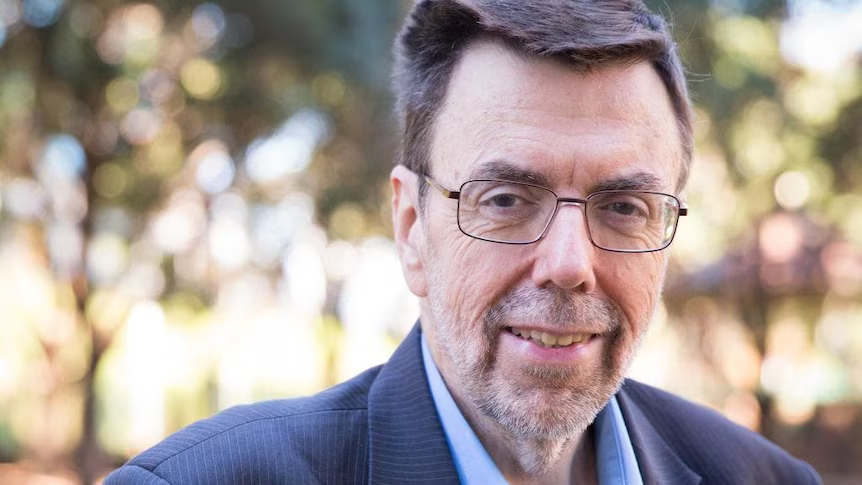
Greg Sheridan AO FAIIA
Greg Sheridan AO FAIIA
Greg Sheridan is The Australian’s foreign editor and one of the most influential national security and foreign affairs analysts in Australia. He also writes about Christianity and culture. His most recent book, How Christians Can Succeed Today, completes a trilogy on Christianity, including the best-selling God is Good for You. Active on TV, radio and as a conference speaker, he has interviewed presidents and prime ministers all over the world, travelling on assignment to every continent except the polar ice caps. A previous book, When We Were Young and Foolish, was an entertaining memoir of culture, politics and journalism. He has been the paper’s Washington correspondent, Beijing correspondent and as foreign editor travels widely, bringing readers unique behind the scenes insights.
Greg entered journalism at the Bulletin magazine in 1979 and joined The Australian in 1984, serving as Beijing correspondent and Washington correspondent. After working in the Canberra press gallery, he became the paper’s foreign editor in 1992, the position he holds today. He has held numerous think tank positions as a Visiting Fellow, including at the Centre for Strategic and International Studies, Washington DC, at the Woodrow Wilson Centre for International Scholars, Washington DC, and at the Australian Army’s Land Warfare Studies Centre, Canberra. He is a Distinguished Fellow at the Australia India Institute at the University of Melbourne and board member at the Australian Government’s Australia Indonesia Institute. He has written seven books and is Contributing Editor at Washington-based journal, the National Interest. He is active across TV and radio and his work has appeared widely in international publications.
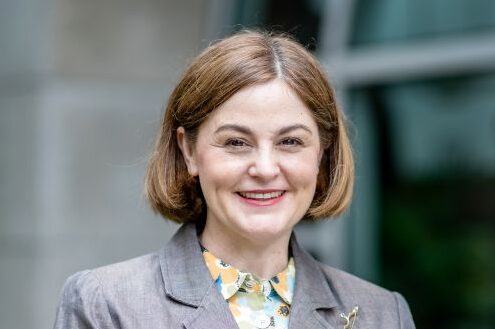
Rachel Thompson
Rachel Thompson
Rachel Thompson is Australia’s former Executive Director of the Asian Development Bank (ADB). Rachel brings more than 20 years’ experience spanning international finance, economic policy and public sector leadership. She has worked at the centre of global economic decision-making, providing strategic oversight of financing initiatives, policy development and governance across a diverse regional constituency.
Renowned as a trusted advisor and advocate for Australia and its regional partners, Rachel has built deep and enduring relationships with government, multilateral institutions and business leaders across Asia and the Pacific. Her career reflects a strong track record of shaping complex policy, leading multidisciplinary teams and driving reform in dynamic and sensitive environments. Rachel offers a global perspective and a commitment to strengthening Australia’s engagement with the region.
Prior to joining ADB, Rachel was the Senior Treasury Representative at the Australian Embassy in Beijing (2018-2022) and concurrently served as an Alternate Director for Australia’s constituency on the Board of the Asian Infrastructure Investment Bank (2020-2022).
Rachel previously served as the Chief of Staff to the Secretary to the Treasury (2016-2018) and held a range of senior roles within the Australian Treasury. She holds a Juris Doctor from the Australian National University and a Bachelor of Economics (Honours) and Bachelor of Finance from the University of Adelaide.

Dr Misa Tomono
Dr Misa Tomono
Dr Misa Tomono is a medical doctor and incoming PhD candidate in Multi-Sectoral Preparedness and Strategic Coordination, with multidisciplinary field and academic experience in public health and all-hazards response.
Her background includes frontline engagement in both natural and human-made disasters, including the humanitarian response to the war in Ukraine and the Noto Peninsula Earthquake in Japan, as well as research and peer-reviewed publications related to the COVID-19 pandemic. She has worked with a range of domestic and international public institutions, including the World Bank, the Ministry of Health and Medical Services of Fiji, the Ministry of Health, Labour and Welfare of Japan, and a Japanese municipal government.
She is currently training as a junior resident in emergency medicine at the Japan Institute for Health Security (National Center for Global Health and Medicine). She will commence her PhD at the Health Security Center, Kyoto University, Japan, in April 2026.
She holds a medical degree and has a strong interest in the development of resilient, evidence-based crisis response systems.
Dr Merriden Varrall
Dr Merriden Varrall
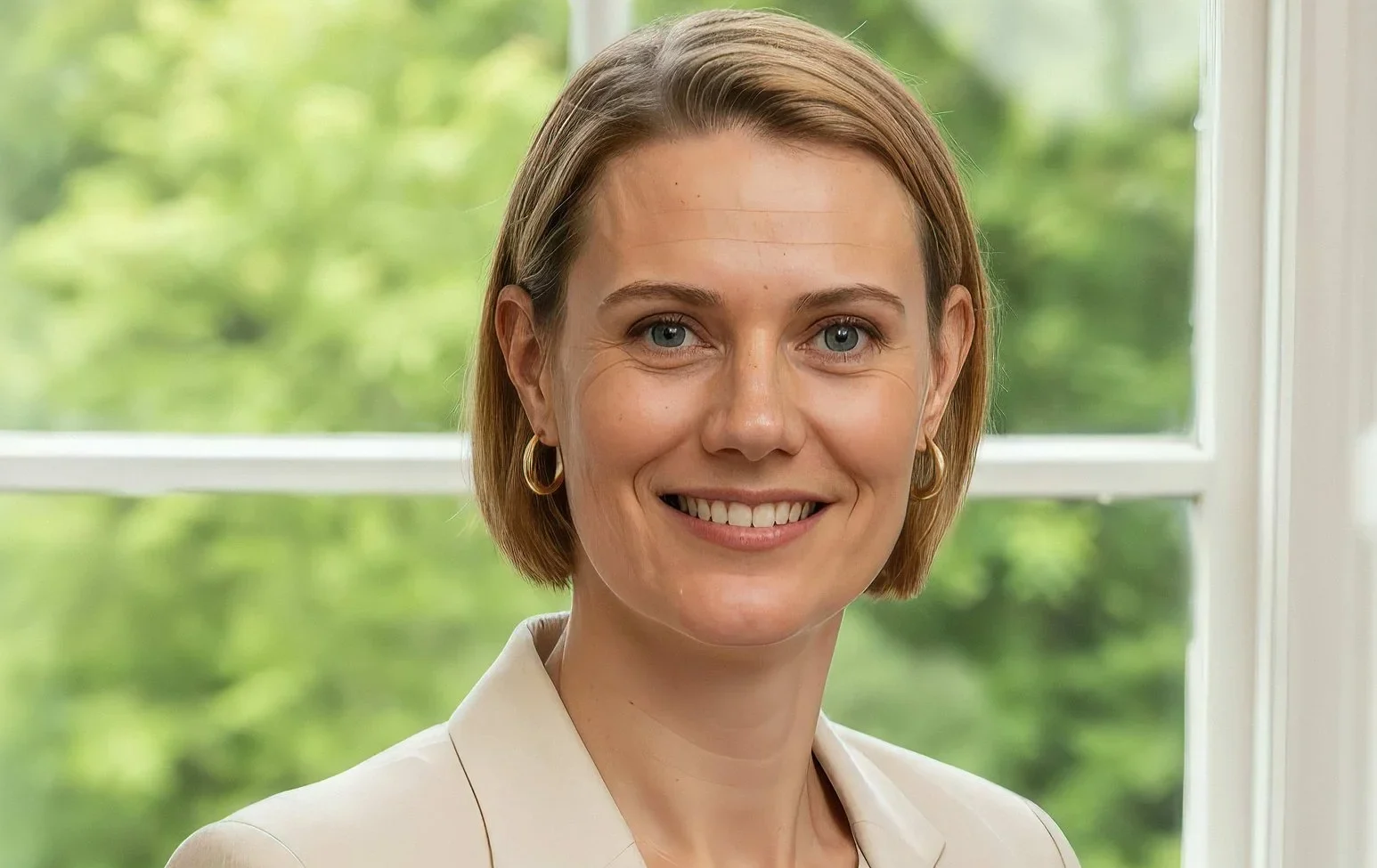
Merriden is a geopolitical strategist and business advisor with nearly three decades of experience across government, international organisations, think tanks, and the private sector. She combines deep geopolitical expertise with genuine business acumen and strategic planning capability, translating global complexity into practical decisions: sharper strategy, better-informed investment and operational choices, and decision-making processes robust enough to hold up in an uncertain world.
Merriden is a sought-after analyst and advisor on East Asia, China’s foreign policy, and Australia’s bilateral relationship with China. Merriden led KPMG Australia’s Geopolitics practice for 8 years, providing businesses with innovative thought leadership and strategic insights. From 2014 to 2018, she was Director of the East Asia Program at the Lowy Institute. Prior to that, Merriden served as a diplomat at the United Nations Development Programme in China, where she focused on China’s international development cooperation policy. She has also worked for the Australian Government, including the Australian Treasury and the Department of Family and Community Services.
Merriden spent nearly eight years living and working in China, including lecturing in foreign policy at the China Foreign Affairs University and conducting fieldwork for her doctoral research on Chinese foreign policy. Her regional expertise centres on China, East Asia, and the Asia-Pacific, with additional experience across Europe, Africa, and South America.
Dr Bryce Wakefield
Dr Bryce Wakefield
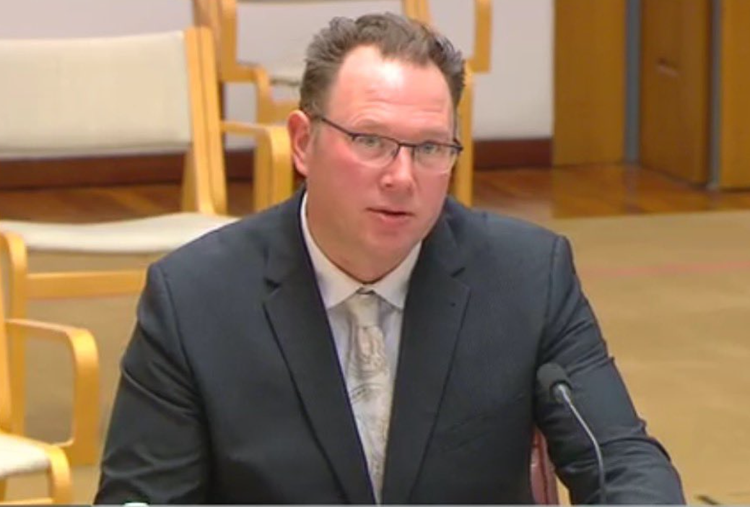
Bryce Wakefield is the CEO of the Australian Institute of International Affairs and a visiting fellow at the Australian National University. He has lived, worked and researched in the United States, Japan, Europe and New Zealand. He trained as a political scientist with particular expertise in International Relations and the international affairs of East Asia.
From 2008 to 2012 Bryce was the associate responsible for Northeast Asian programs at the Woodrow Wilson International Center for Scholars in Washington, DC. In this role, he was responsible for conceiving, designing and organising around 60 events in Washington, including policy briefings in the U.S. Congress, on political issues in Australia, Taiwan, North and South Korea and Japan. He co-organised, with the Wilson Center’s partners, three major annual policy conferences in Tokyo. He has also given talks in Japanese, including for parliamentarians at the National Diet.
He was also a university lecturer with tenure in area studies and international relations at Leiden University in the Netherlands. While at Leiden from 2012-2018 he taught numerous classes on the foreign policy and domestic politics of Japan, the politics of East Asia, comparative politics, and the relationship between politics and culture. He designed and implemented a successful specialization on culture and politics for Leiden’s graduate program in International Relations. During his time as a university academic he also delivered training, induction and briefing sessions for Dutch and international diplomats in the Hague and in Japan.
Bryce is regularly quoted in the media. His work and views on political issues in Asia and Australasia have appeared in such outlets as The Australian, The Sydney Morning Herald, The Australian Financial Review, BusinessWeek, Der Spiegel, Financial Times, SCMP, the Telegraph, de Volkskrant the Wall Street Journal, and the Washington Times, as well as on the ABC, ACN, SBS, BBC News, CNBC, CSPAN, 7News Australia, and Sky News Australia, TVNZ, and in such Japanese outlets as the Daily Yomiuri, NHK and the Sankei Shimbun. In February 2015, the Tokyo bureau chief of the New York Times named him as one of 10 “influential and reliable intellectuals” outside Washington who could help policymakers better know Japan. His can also write in German, and his recent op-eds have featured in the Frankfurter Algemeine Zeitung and the Neuer Zuercher Zeitung.
Bryce’s academic publications to date focus on constitutional issues and defence policy, political marketing and national identity in Japan. While at the Wilson Center, he also edited and contributed to several of the centre’s multi-author publications on East Asian politics and foreign policy. He has also written on New Zealand’s foreign policy and has been called to the Australian Senate Foreign Affairs and Defence References Select Committee to give expert testimony.
Bryce lived in Japan from 1998 to 2004 and earned his master’s degree from Osaka University’s School of International Public Policy. He earned his PhD in political studies from the University of Auckland.
Professor Toby Walsh FAA FTSE
Professor Toby Walsh FAA FTSE
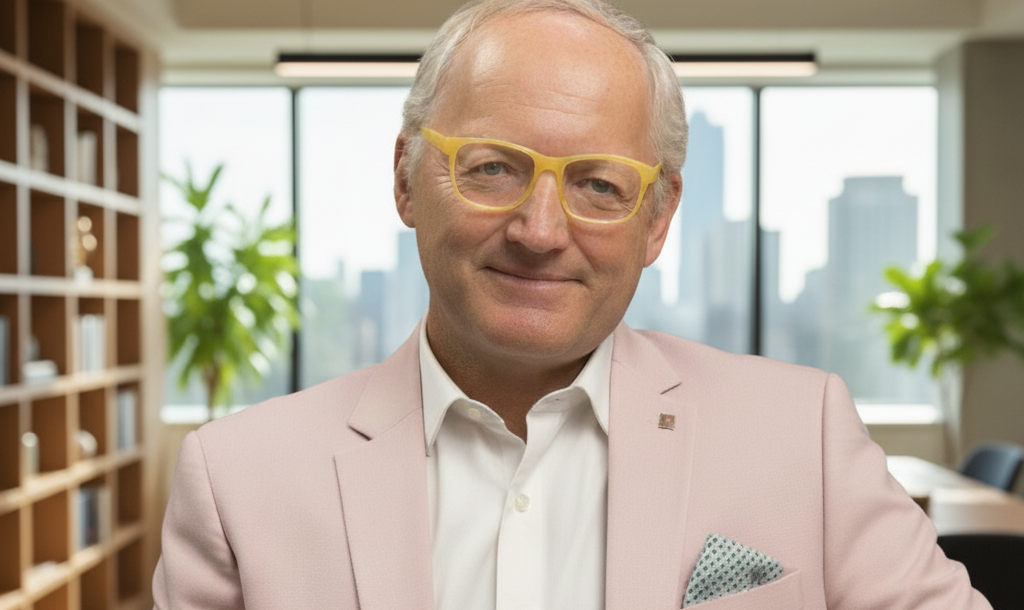
Toby Walsh is an ARC Laureate Fellow and Scientia Professor of AI at UNSW Sydney. He is Chief Scientist of UNSW.AI, UNSW’s campus wide AI Institute. He is a strong advocate for limits to ensure AI is used to improve our lives, having spoken at the UN, and to heads of state, parliamentary bodies, company boards and many others on this topic. This advocacy has led to him being “banned indefinitely” from Russia. He is a Fellow of the Australia Academy of Science, and was named on the international “Who’s Who in AI” list of influencers. He has written six books on AI for a general audience, the most recent is “God AI: boom or doom? What to expect when the machines outsmart us”.
The Hon Tim Watts MP
The Hon Tim Watts MP
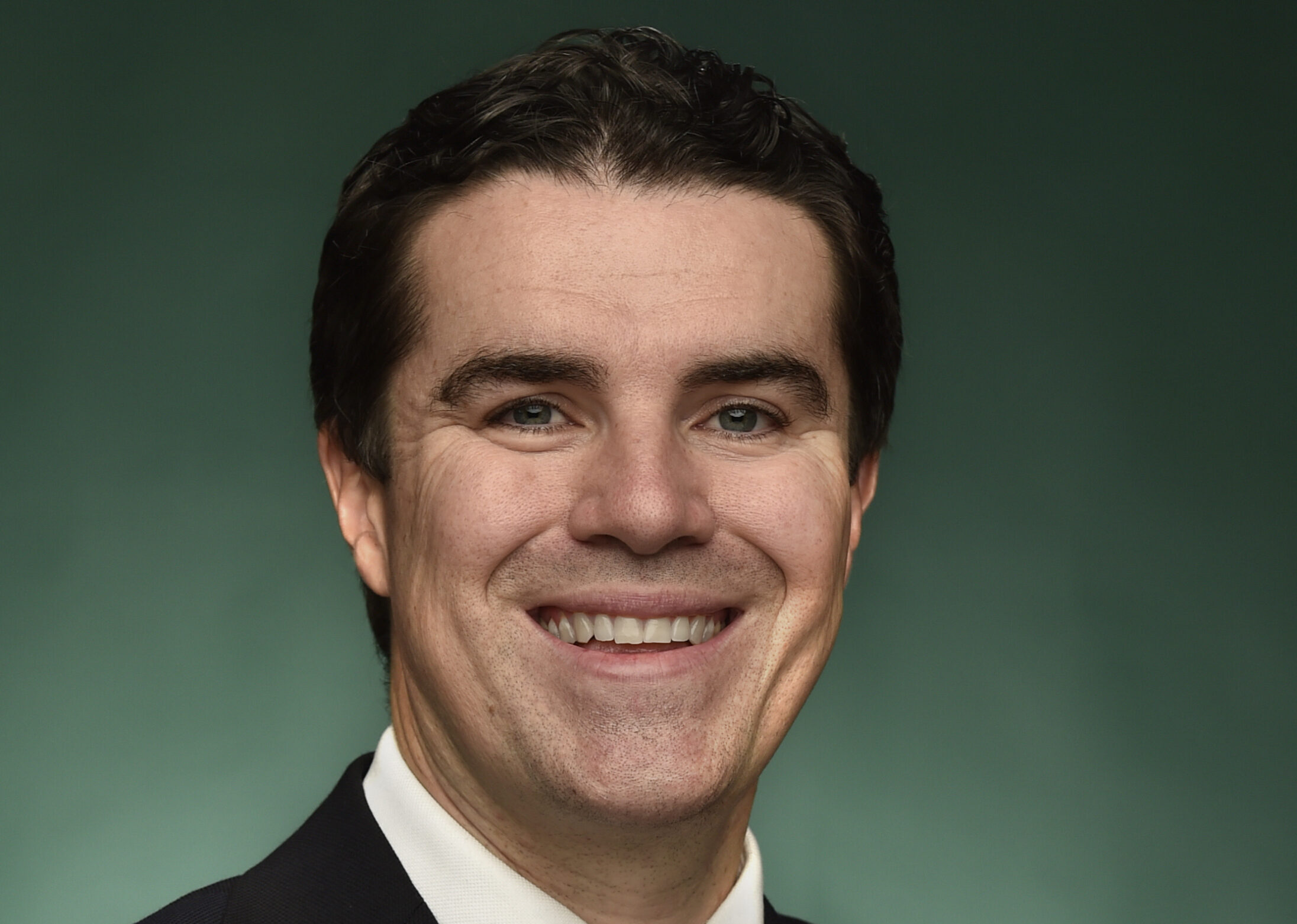
Tim Watts is the Federal Member for Gellibrand and served as the Assistant Minister for Foreign Affairs in the Albanese Government from 2022 to 2025.
Tim was first elected to the House of Representatives in 2013 and for a decade has served one of the most diverse electorates in Australia.
Before entering Parliament, Tim worked in the technology sector, as a Senior Manager at Telstra and a Solicitor at Mallesons Stephen Jaques (now King & Wood Mallesons). Tim worked on critical tech issues including the roll out of the National Broadband Network, the auction and distribution of sections of the radio communications spectrum and network pricing regulation. He also worked as the Deputy Chief of Staff for the Minister for Communications and a Senior Adviser to the Victorian Premier.
Tim is the author of two books, “The Golden Country: Australia’s Changing Identity” and “Two Futures: Australia at a Critical Moment” (along with co-author and fellow MP, Clare O’Neil).
Tim holds a Bachelor of Laws (Hons) from Bond University, a Master of Public Policy from Monash University and a Master of Science (Politics and Communications) from the London School of Economics
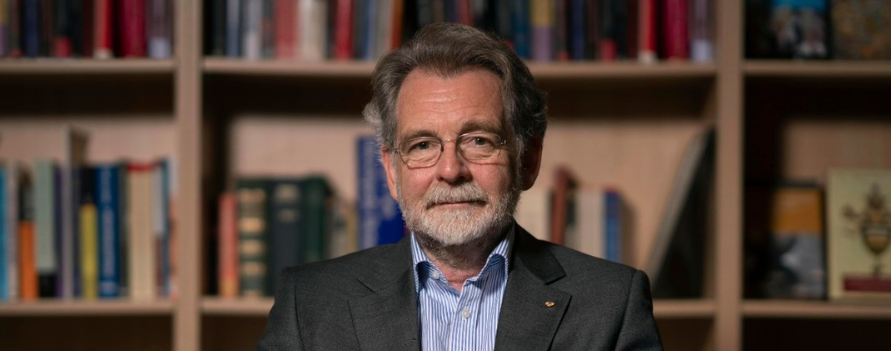
Emeritus Professor Hugh White AO FAIIA
Emeritus Professor Hugh White AO FAIIA
Hugh White AO is Emeritus Professor of Strategic Studies at the Australian National University. His work focuses primarily on Australian strategic and defence policy, Asia-Pacific security issues, and global strategic affairs especially as they influence Australia and the Asia-Pacific. He has served as an intelligence analyst with the Office of National Assessments, as a journalist with the Sydney Morning Herald, as a senior adviser on the staffs of Defence Minister Kim Beazley and Prime Minister Bob Hawke, and as a senior official in the Department of Defence, where from 1995 to 2000 he was Deputy Secretary for Strategy and Intelligence, and as the first Director of the Australian Strategic Policy Institute (ASPI). His most recent publication is his 2026 book ‘Hard New World: Our post-American Future’, which is an expanded version of his 2025 Quarterly Essay.
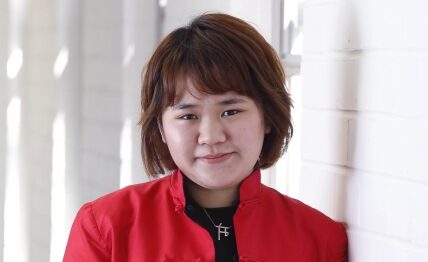
Dr Pichamon Yeophantang
Dr Pichamon Yeophantang
Dr Pichamon Yeophantong is Head of Research and Associate Professor at the Centre for Future Defence and National Security, Deakin University at the Australian War College. She also leads the Responsible Business Lab and the Environmental Justice and Human Rights Project, which are funded by an Australian Research Council DECRA Fellowship. In 2022, Pichamon was appointed by the United Nations Human Rights Council as an Independent Expert, serving as the Member from Asia-Pacific States on the UN Working Group on Business and Human Rights.
As a political scientist and China specialist, Pichamon conducts research into Chinese foreign policy and, specifically, the social and environmental impacts of Chinese overseas investment in the developing world. She also teaches and conducts field-based research on human rights and the political economy of sustainable development in the Asia-Pacific. Pichamon has delivered over 500 keynotes, invited talks, and public lectures on human rights, environmental governance, and Indo-Pacific politics since 2010, including at a UN Human Rights Council Session, an ASEAN Regional Forum Workshop, and the Australian Institute of International Affairs’ National Conference. In recognition of the social impact of her work, Pichamon was awarded the 2018 Australia ‘Future Leader’ Prize by the Council for the Humanities, Arts and Social Sciences, and was named a ‘human rights fighter’ by the 2020 Advance Awards.
Masterclass Speakers
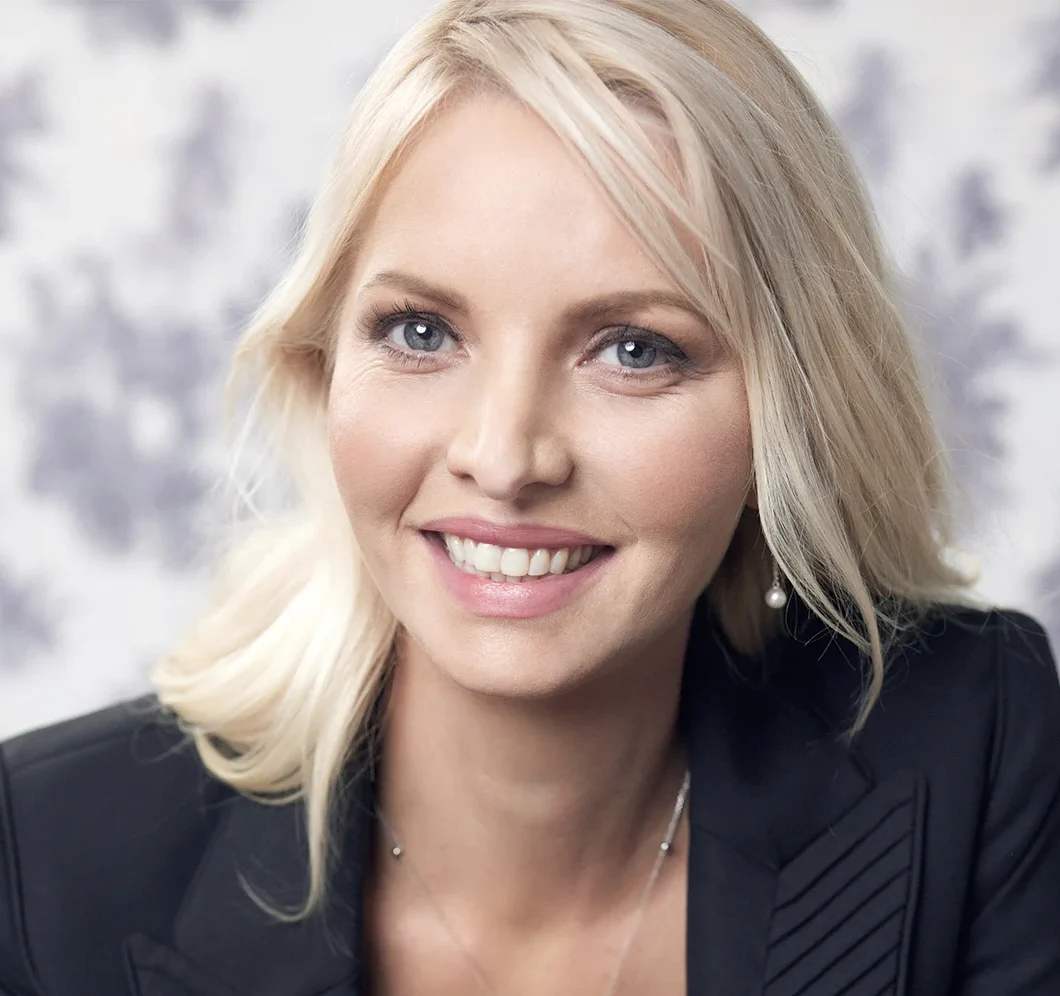
Dr Jemma King
Dr Jemma King
Dr Jemma King is a behavioural scientist specialising in the psychophysiology of stress, emotional intelligence and performance under pressure. She is the founder and director of BioPsychAnalytics, a Fellow at the University of Queensland School of Psychology, and a Specialist External Advisor to the Australian Government, Defence and McKinsey & Company. Jemma teaches at the Australian War College and helped design a behavioural analysis for Australian Intelligence Agencies. Her applied research and training spans Special Operations Command, intelligence agencies, Queensland Police SERT, Australian Olympic Swim Team, AIS and the British Royal Marines. She has worked with diplomats and foreign affairs professionals to help them sustain clarity, judgement and wellbeing in high-stakes international roles. Jemma has published her work in Nature Scientific Reports and is the author of Sleep First (Wiley).
H.E. Lawrence Meredith
H.E. Lawrence Meredith
Lawrence Meredith is the European Union Ambassador to Australia since September 2026. Lawrence arrived at an historic moment in EU-Australia relations following the visit of President Ursula von der Leyen to Australia. With the conclusion of negotiations for a Free Trade Agreement, Australia’s association to the world’s largest research and innovation fund Horizon Europe and a groundbreaking Security and Defence Partnership, Ambassador Meredith has clear priorities for his term in Canberra. Prior to arriving in Australia, Lawrence was European Union Ambassador to New Zealand where he oversaw the implementation of the EU-NZ Free Trade Agreement and New Zealand’s association to Horizon Europe. Before that, he was the Director for Neighbourhood East and Institution Building within the European Commission, managing relations and cooperation with the EU’s Eastern Partnership countries. Lawrence studied at Oxford University and holds a First Class Honours B.A. in Russian and French from The Queen’s College. He speaks English, French, German, Italian, Spanish and Russian. He is a keen birdwatcher, enjoys biking, and supports Bradford City.
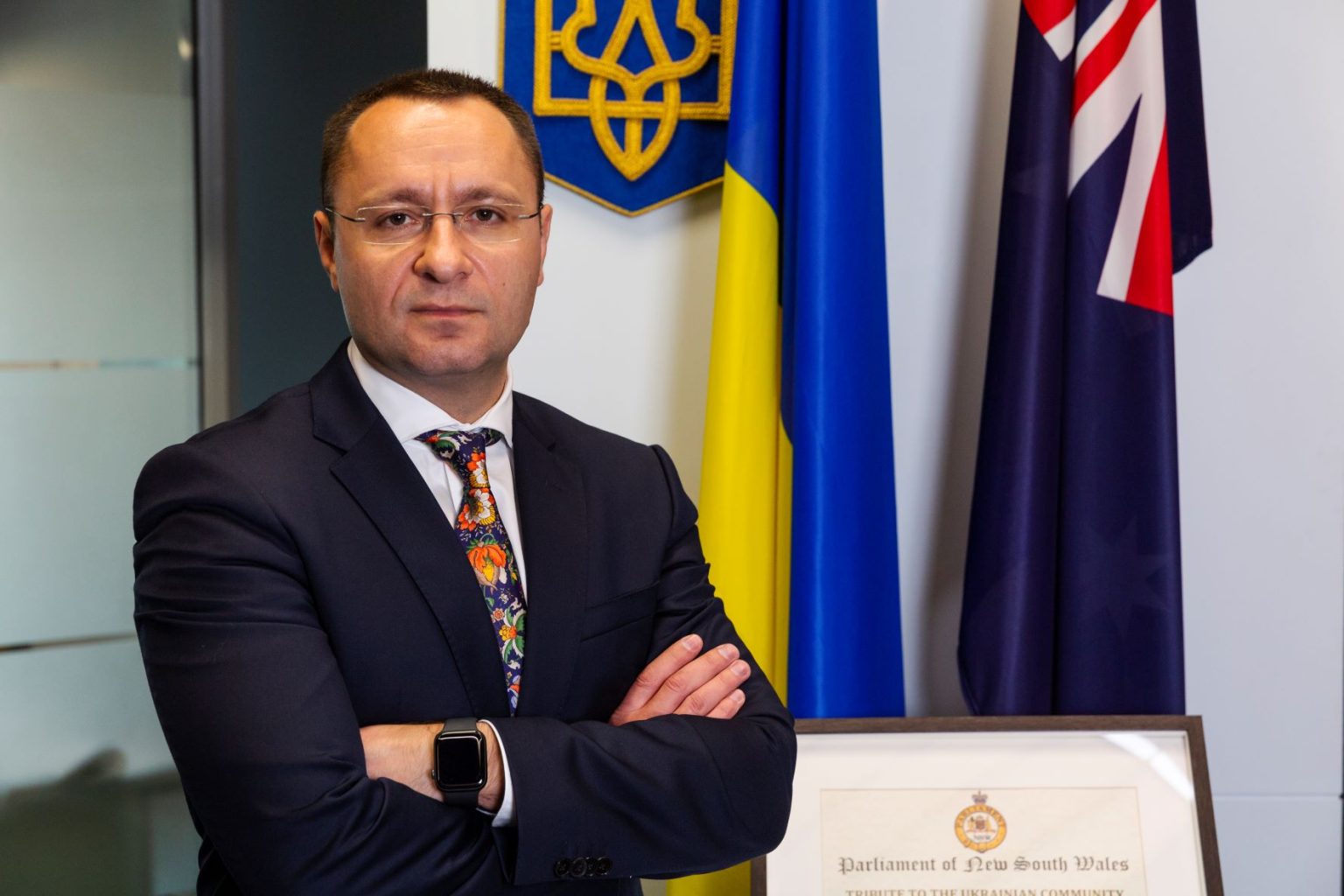
H.E. Vasyl Myroshnychenko
H.E. Vasyl Myroshnychenko
Vasyl Myroshnychenko resumed the functions of the Ambassador of Ukraine to Australia on April 1, 2022.
On March 7th, 2022 Minister of Defence of Ukraine appointed him as his advisor.
In May of 2021, he was appointed as a member of the Supervisory Board of the Ukrainian Institute, a cultural diplomacy outfit of the Ministry of Foreign Affairs of Ukraine.
Prior to joining the Foreign Service, he was an active business and civil society leader in Ukraine.
From 2006 to 2022, he was a Partner at CFC Big Ideas, a Kyiv-based strategic communications company. He has 20 years of experience advising clients on corporate communications, public affairs and reputation management. Vasyl advised many multinational companies and domestic industry leaders across various sectors.
Vasyl is a co-founder of Ukraine Crisis Media Center, a media NGO set up in early March of 2014 aimed at amplifying Ukraine’s voice internationally. He was in charge of numerous projects and campaigns during 2014-2019.
In 2015-2016, he was a Head of Board of Professional Government Association, an NGO which has united Ukrainian alumni of the Western Universities with a goal of mobilizing talent for the economic, legal and judicial reforms in Ukraine.
He sat on the board of the Ukrainian-British City Club, a London-based organisation promoting UK-Ukraine trade and investment relations between 2007-2022.
In 2018, Vasyl was a Marshall Memorial Fellow, a prestigious leadership program of the German Marshall Fund of the United States.
In 2002-2004, Vasyl was a President of the European Youth Parliament-Ukraine, an international youth NGO.
He was a Chevening Scholar and earned MSc in Politics of the World Economy from the London School of Economics and Political Science (2006, UK). He also holds MA and BA degrees in international relations from Institute of International Relations, Kyiv National Shevchenko University (2002, 2003). Vasyl is a graduate of the Global Village for Future Leaders of Business and Industry program at Iacocca Institute, Lehigh University (2002, USA) and Swedish Institute Management Program (Sweden, 2009) and a two-week intensive course on public affairs and advocacy from the Center of Congressional and Presidential Studies at American University in Washington, DC (USA, 2014).
Vasyl has two children and is married to Liana Myroshnychenko.
Dr Bryce Wakefield
Dr Bryce Wakefield
Bryce Wakefield is the CEO of the Australian Institute of International Affairs and a visiting fellow at the Australian National University. He has lived, worked and researched in the United States, Japan, Europe and New Zealand. He trained as a political scientist with particular expertise in International Relations and the international affairs of East Asia.
From 2008 to 2012 Bryce was the associate responsible for Northeast Asian programs at the Woodrow Wilson International Center for Scholars in Washington, DC. In this role, he was responsible for conceiving, designing and organising around 60 events in Washington, including policy briefings in the U.S. Congress, on political issues in Australia, Taiwan, North and South Korea and Japan. He co-organised, with the Wilson Center’s partners, three major annual policy conferences in Tokyo. He has also given talks in Japanese, including for parliamentarians at the National Diet.
He was also a university lecturer with tenure in area studies and international relations at Leiden University in the Netherlands. While at Leiden from 2012-2018 he taught numerous classes on the foreign policy and domestic politics of Japan, the politics of East Asia, comparative politics, and the relationship between politics and culture. He designed and implemented a successful specialization on culture and politics for Leiden’s graduate program in International Relations. During his time as a university academic he also delivered training, induction and briefing sessions for Dutch and international diplomats in the Hague and in Japan.
Bryce is regularly quoted in the media. His work and views on political issues in Asia and Australasia have appeared in such outlets as The Australian, The Sydney Morning Herald, The Australian Financial Review, BusinessWeek, Der Spiegel, Financial Times, SCMP, the Telegraph, de Volkskrant the Wall Street Journal, and the Washington Times, as well as on the ABC, ACN, SBS, BBC News, CNBC, CSPAN, 7News Australia, and Sky News Australia, TVNZ, and in such Japanese outlets as the Daily Yomiuri, NHK and the Sankei Shimbun. In February 2015, the Tokyo bureau chief of the New York Times named him as one of 10 “influential and reliable intellectuals” outside Washington who could help policymakers better know Japan. His can also write in German, and his recent op-eds have featured in the Frankfurter Algemeine Zeitung and the Neuer Zuercher Zeitung.
Bryce’s academic publications to date focus on constitutional issues and defence policy, political marketing and national identity in Japan. While at the Wilson Center, he also edited and contributed to several of the centre’s multi-author publications on East Asian politics and foreign policy. He has also written on New Zealand’s foreign policy and has been called to the Australian Senate Foreign Affairs and Defence References Select Committee to give expert testimony.
Bryce lived in Japan from 1998 to 2004 and earned his master’s degree from Osaka University’s School of International Public Policy. He earned his PhD in political studies from the University of Auckland.
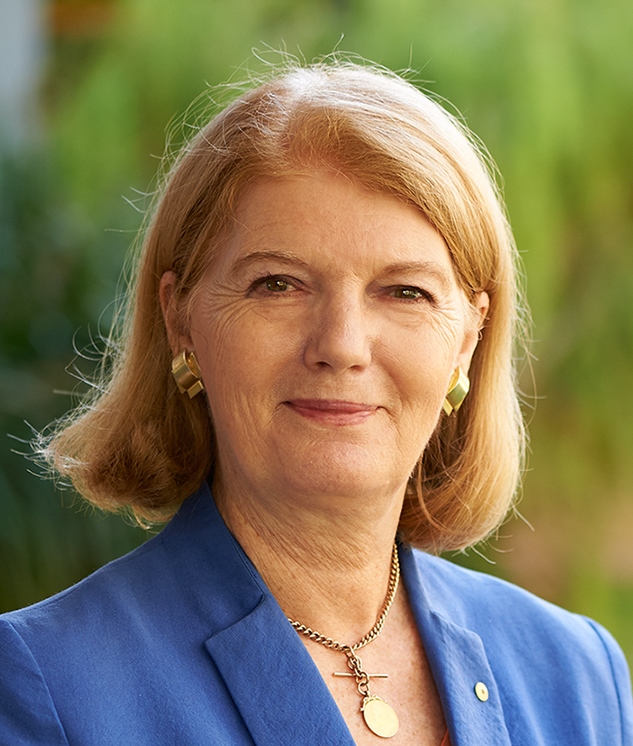
The Hon Penelope Wensley AC FAIIA
The Hon Penelope Wensley AC FAIIA
Penny Wensley has had a distinguished career of public service, as a diplomat (1968-2008), Governor of Queensland (2008-2014); and since 2015, in diverse leadership and advocacy roles, focused primarily on sustainable development and the environment. Her senior diplomatic appointments included Consul-General, Hong Kong, Ambassador for the Environment, Ambassador to the UN, Geneva, Ambassador to the UN, New York, High Commissioner to India, and Ambassador to France. She has received national and international recognition for her contribution to international relations and initiatives of the UN and the development of policy responses to global challenges. She played a significant role in negotiation of the landmark UN Conventions on Climate Change, Biodiversity and Desertification, chaired the negotiating process of the First UN Conference on the Sustainable Development of Small Island Developing States and co-chaired the First UN Special Session on HIV/AIDS. She is a Fellow of the AIIA and a Board member of the Lowy Institute.
Dr Pichamon Yeophantang
Dr Pichamon Yeophantang
Dr Pichamon Yeophantong is Head of Research and Associate Professor at the Centre for Future Defence and National Security, Deakin University at the Australian War College. She also leads the Responsible Business Lab and the Environmental Justice and Human Rights Project, which are funded by an Australian Research Council DECRA Fellowship. In 2022, Pichamon was appointed by the United Nations Human Rights Council as an Independent Expert, serving as the Member from Asia-Pacific States on the UN Working Group on Business and Human Rights.
As a political scientist and China specialist, Pichamon conducts research into Chinese foreign policy and, specifically, the social and environmental impacts of Chinese overseas investment in the developing world. She also teaches and conducts field-based research on human rights and the political economy of sustainable development in the Asia-Pacific. Pichamon has delivered over 500 keynotes, invited talks, and public lectures on human rights, environmental governance, and Indo-Pacific politics since 2010, including at a UN Human Rights Council Session, an ASEAN Regional Forum Workshop, and the Australian Institute of International Affairs’ National Conference. In recognition of the social impact of her work, Pichamon was awarded the 2018 Australia ‘Future Leader’ Prize by the Council for the Humanities, Arts and Social Sciences, and was named a ‘human rights fighter’ by the 2020 Advance Awards.